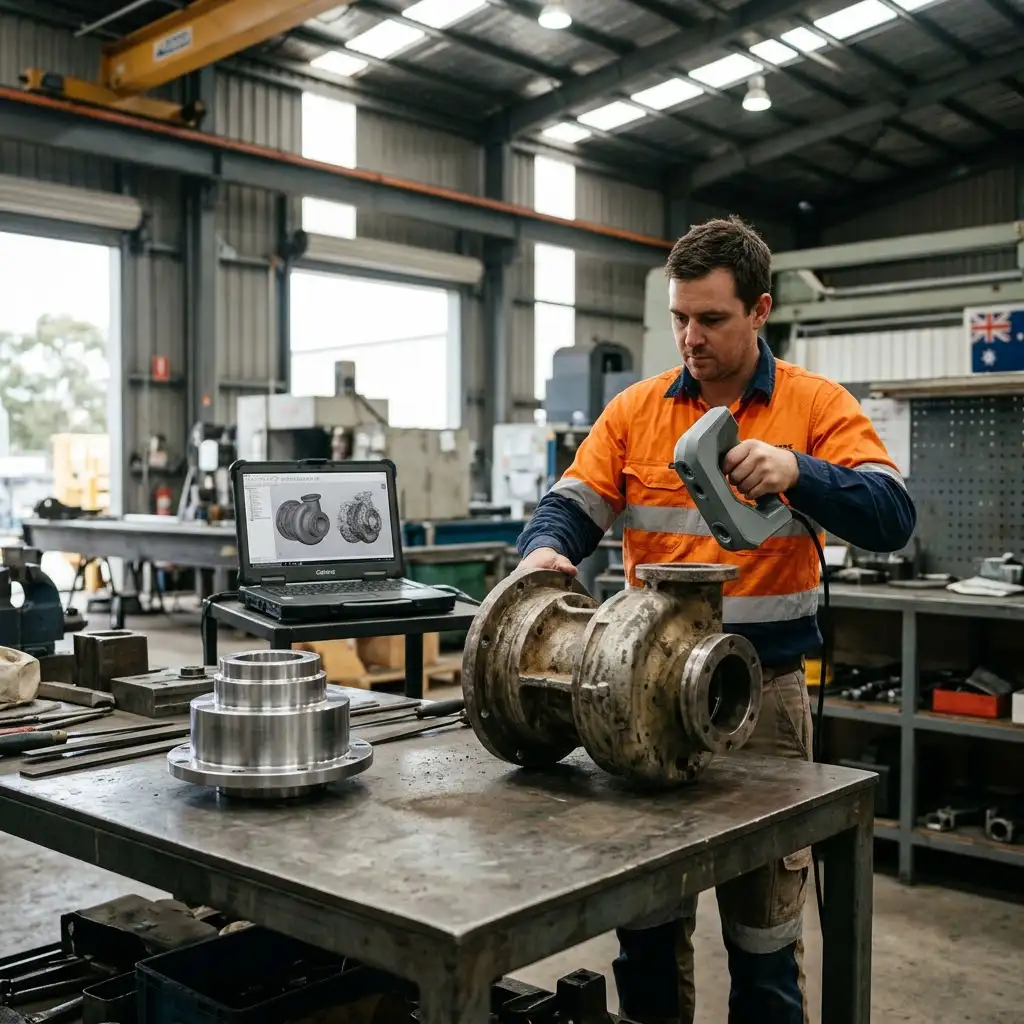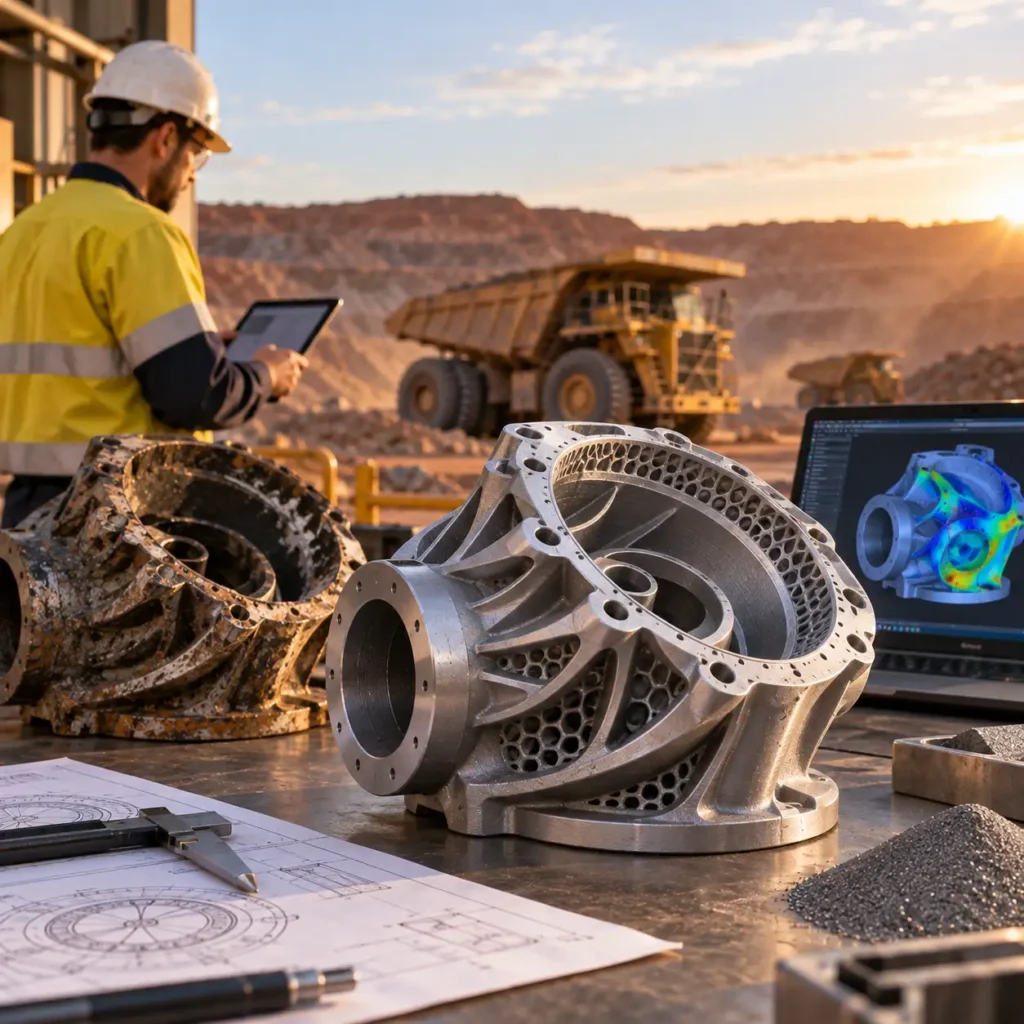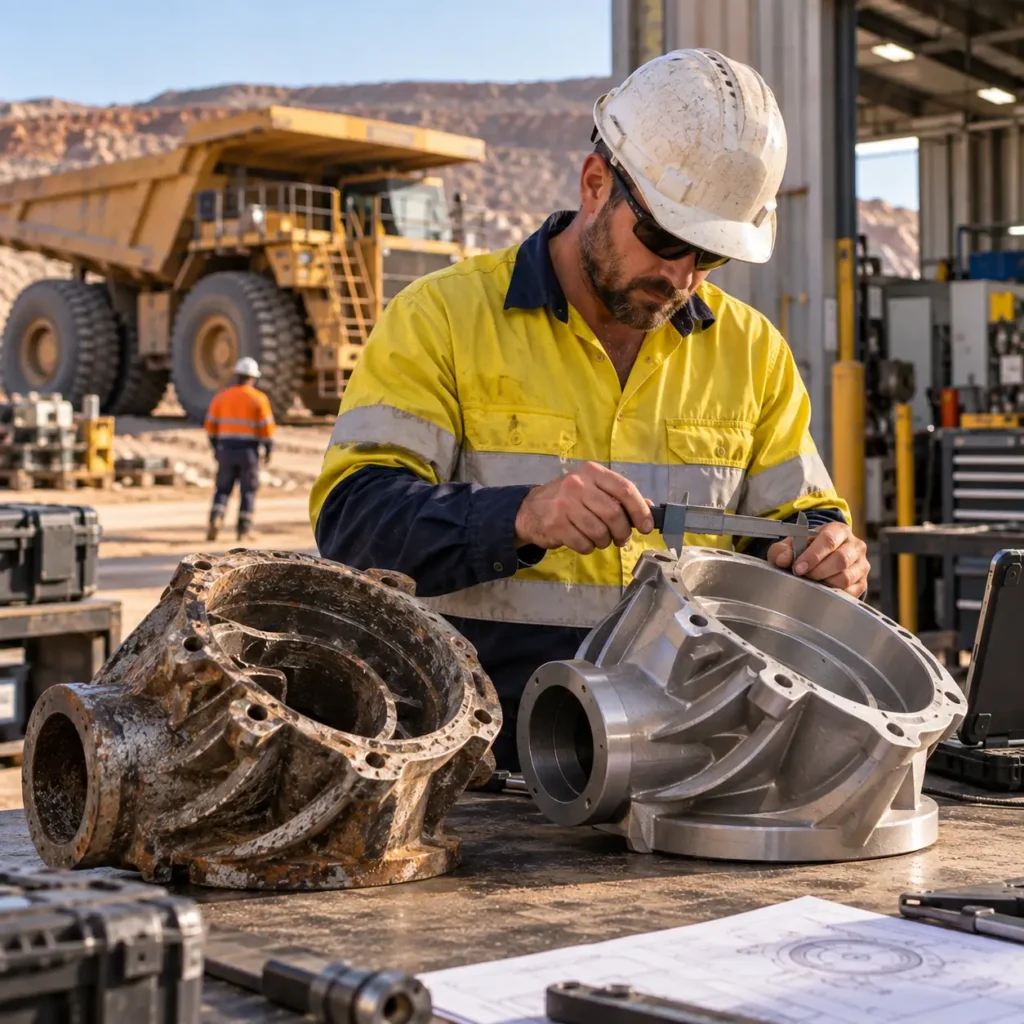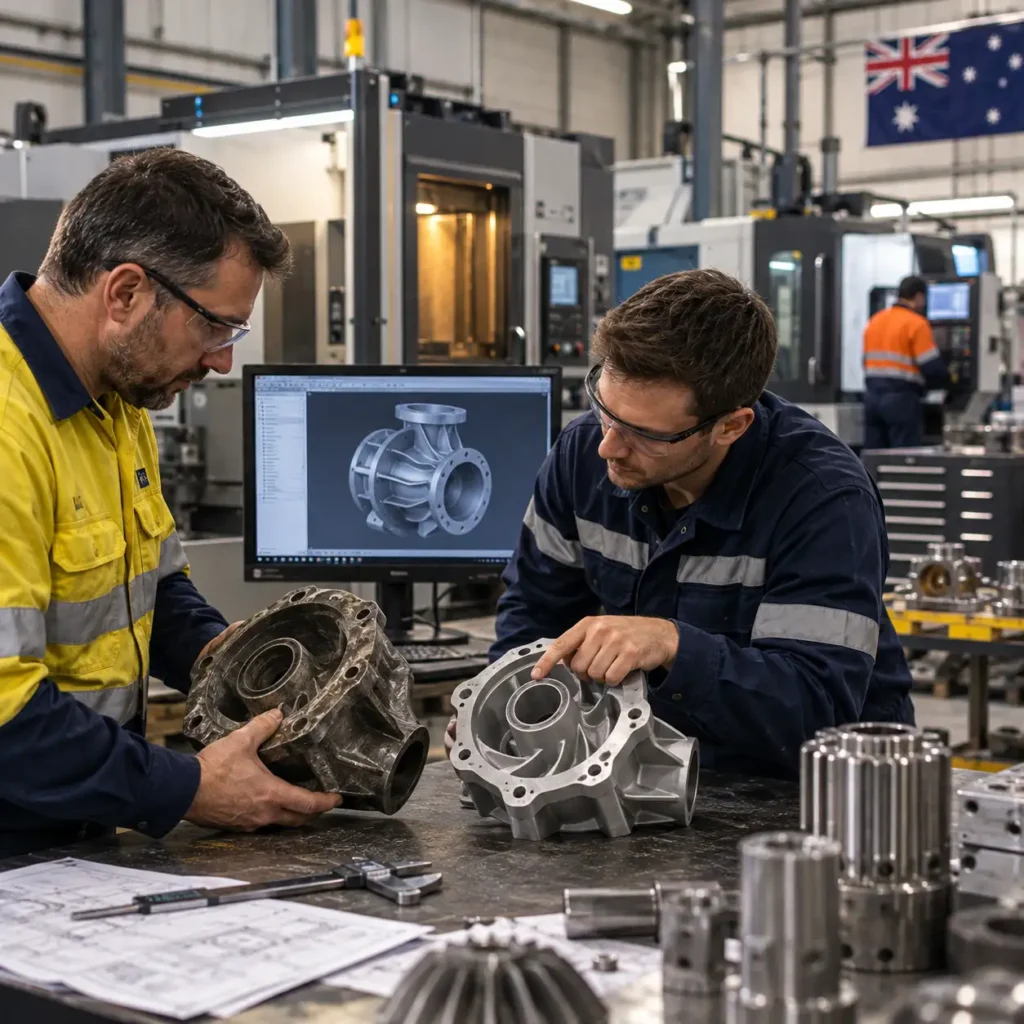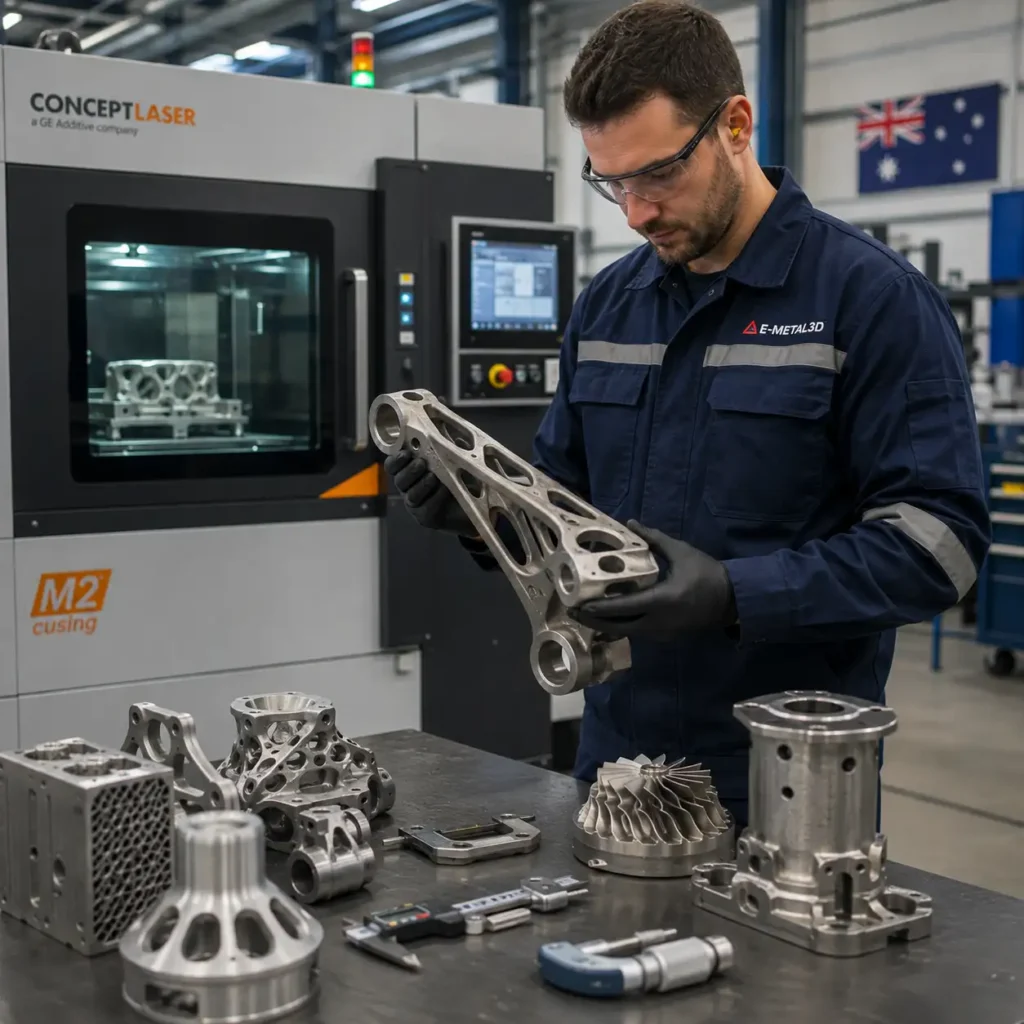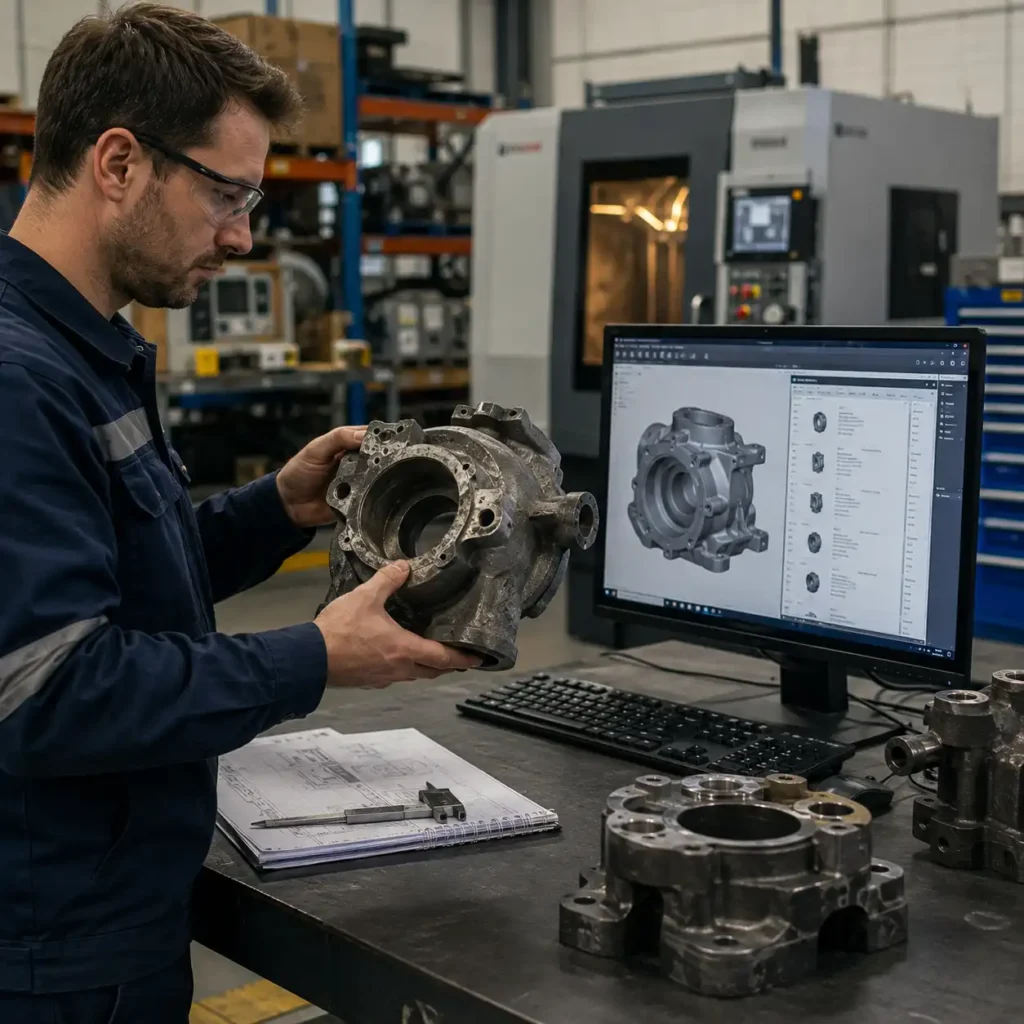

Australia’s manufacturing sector is going through a major transformation. Rising production costs, global supply chain disruptions, and increasing demand for customised industrial components are pushing manufacturers to rethink how products are designed and produced. In response, many Australian companies are turning to Industrial Metal 3D Printing as a practical and future-focused manufacturing solution.
Over the past few years, metal additive manufacturing has moved far beyond the prototype stage. What was once considered experimental technology is now being integrated into real production environments across industries including mining, aerospace, oil & gas, defence, heavy engineering, and medical manufacturing.
At the centre of this shift is a growing need for faster production, reduced downtime, and more efficient manufacturing processes — areas where technologies offered by E-Metal3D are becoming increasingly valuable for Australian businesses.
The Growing Demand for Industrial Metal 3D Printing in Australia
Australian manufacturers operate in one of the most challenging industrial environments in the world. Many businesses face long lead times for imported components, high logistics costs, and ongoing shortages of specialised parts.
Industrial Metal 3D Printing provides a solution by enabling companies to manufacture parts locally, on demand, and with significantly greater design flexibility.
Instead of waiting months for overseas suppliers, manufacturers can now produce complex metal components within days. This capability is especially important for industries such as mining and oil & gas, where equipment downtime can result in enormous operational losses.
Companies are also discovering that additive manufacturing allows them to redesign components for better performance, lower weight, and improved durability.
Why Traditional Manufacturing Is Becoming Less Efficient
Traditional manufacturing methods like CNC machining and casting remain important, but they are not always ideal for modern industrial demands.
Conventional production often involves:
- High material waste
- Expensive tooling costs
- Long production lead times
- Design limitations
- Complex assembly requirements
Industrial Metal 3D Printing changes this approach completely.
By building components layer by layer directly from a digital model, manufacturers gain the ability to create highly complex geometries that are difficult — or sometimes impossible — using traditional methods.
This opens new opportunities for lightweight structures, internal cooling channels, topology optimisation, and part consolidation.
In many cases, multiple assembled parts can be redesigned into a single printed component, reducing maintenance requirements and improving reliability.
Australian Industries Leading the Adoption
Several Australian industries are rapidly increasing investment in additive manufacturing technologies.
Mining Industry
Mining companies are among the biggest adopters of Industrial Metal 3D Printing in Australia.
Remote mining operations often struggle with spare part availability. Waiting weeks for replacement components can halt production and increase operational costs dramatically.
Using metal 3D printing, mining businesses can manufacture wear-resistant components, tooling, brackets, housings, and replacement parts much faster.
This is one reason why companies are increasingly working with specialists like E-Metal3D to improve supply chain resilience and reduce downtime risks.
Oil & Gas Sector
The oil & gas industry requires components capable of operating under extreme pressure, heat, and corrosive environments.
Additive manufacturing allows engineers to optimise these parts for improved thermal performance, reduced weight, and enhanced structural strength.
Industries are particularly interested in materials such as:
- Inconel 718
- Stainless Steel 316L
- Titanium Alloys
- Maraging Steel
These advanced materials are widely used in Industrial Metal 3D Printing because they provide excellent mechanical performance in demanding environments.
Aerospace and Defence
Australian aerospace manufacturers are also investing heavily in metal additive manufacturing.
The ability to reduce component weight while maintaining structural integrity makes metal 3D printing extremely attractive for aircraft and defence applications.
Lightweight components contribute directly to fuel efficiency, lower operational costs, and improved system performance.
Is Industrial Metal 3D Printing Only for Large Companies?
This is one of the most common questions businesses ask.
The answer is no.
While large corporations were early adopters, Industrial Metal 3D Printing is now becoming accessible to small and medium-sized manufacturers as well.
Many companies are no longer purchasing expensive equipment outright. Instead, they partner with experienced service providers such as E-Metal3D to access advanced additive manufacturing technologies without the high upfront investment.
This approach allows businesses to test new ideas, develop prototypes, and manufacture production-ready parts with lower financial risk.
How Does Metal Additive Manufacturing Improve Efficiency?
The biggest advantage is flexibility.
Traditional manufacturing often requires tooling, moulds, fixtures, and large production batches to remain cost-effective.
Metal additive manufacturing removes many of these limitations.
Manufacturers can produce:
- Low-volume custom components
- Rapid prototypes
- Complex geometries
- Lightweight structures
- On-demand spare parts
This dramatically reduces inventory requirements and shortens product development cycles.
For Australian manufacturers competing in global markets, speed and flexibility are becoming critical advantages.
The Role of Engineering Expertise
Technology alone is not enough.
Successful Industrial Metal 3D Printing requires engineering expertise in areas such as:
- Design for Additive Manufacturing (DfAM)
- Material selection
- Thermal management
- Support structure optimisation
- Post-processing
- Quality inspection
This is where companies like E-Metal3D play an important role.
By combining advanced manufacturing systems with engineering solutions and real-world industrial experience, businesses can avoid costly production errors and achieve better performance outcomes.
What About Material Performance?
Another common concern is material reliability.
Modern metal additive manufacturing systems now produce components with exceptional mechanical properties and repeatability.
Industries are successfully using metal 3D printed parts in real operational environments, including high-stress industrial applications.
Advanced powders such as Titanium Ti6Al4V, Inconel 625, and Stainless Steel 17-4PH offer excellent strength, corrosion resistance, and durability.
As additive manufacturing technology continues to evolve, confidence in metal printed parts is increasing rapidly across Australian industries.
Supply Chain Challenges Are Accelerating Adoption
Global supply chain disruptions over recent years exposed major weaknesses in traditional manufacturing systems.
Many Australian businesses experienced delays in receiving critical components from overseas suppliers.
Industrial Metal 3D Printing offers a more localised and resilient manufacturing strategy.
Instead of depending entirely on international supply chains, businesses can produce parts closer to where they are needed.
This flexibility is becoming one of the strongest drivers behind additive manufacturing adoption in Australia.
The Future of Industrial Manufacturing in Australia
Industrial Metal 3D Printing is no longer viewed as a niche technology.
It is becoming an essential manufacturing capability for businesses that want to remain competitive, innovative, and responsive to changing market conditions.
As industries continue to prioritise efficiency, sustainability, local manufacturing, and faster production cycles, investment in metal additive manufacturing is expected to grow significantly across Australia.
Companies that adopt these technologies early are likely to gain major advantages in production agility, engineering innovation, and operational performance.
For businesses exploring the future of advanced manufacturing, Industrial Metal 3D Printing is rapidly becoming more than just an option — it is becoming a strategic necessity.