Modern healthcare is rapidly moving away from one-size-fits-all solutions toward personalized, patient-centric treatment. Nowhere is this transformation more evident than in the field of medical implants. Orthopedic, cranial, spinal, and dental implants must meet highly specific anatomical, mechanical, and biological requirements—requirements that traditional manufacturing struggles to satisfy efficiently.
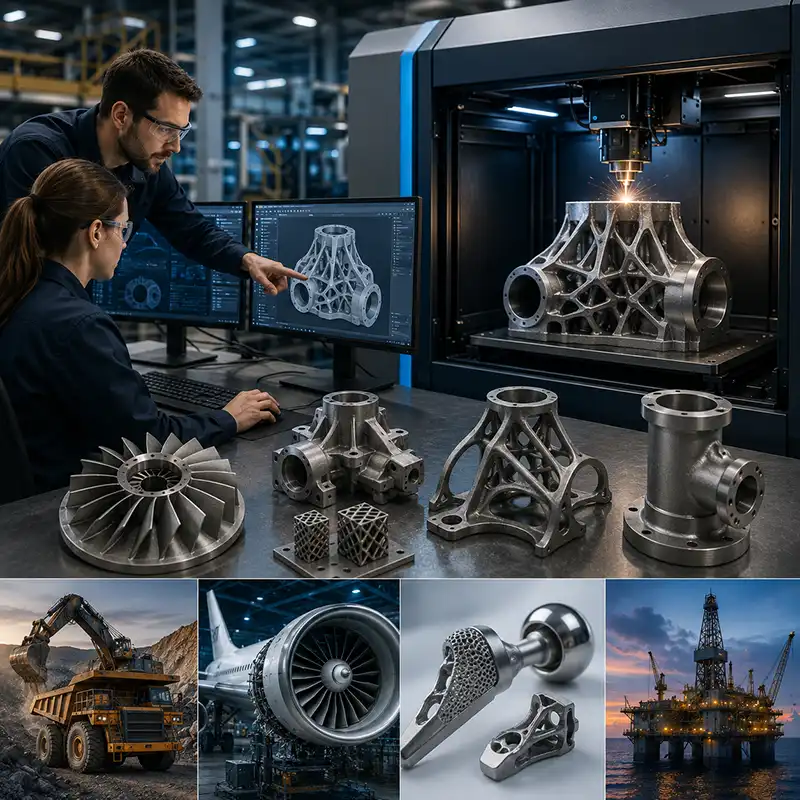
Metal additive manufacturing, particularly Laser Powder Bed Fusion (LPBF), has emerged as a game-changing technology for producing patient-specific implants. By leveraging digital design and high-precision metal 3D printing, manufacturers can now create implants tailored precisely to an individual patient’s anatomy, improving clinical outcomes, reducing recovery times, and enhancing overall quality of life.
At E-Metal3D, we enable medical device manufacturers to harness metal additive manufacturing to deliver customized, high-performance implants that meet the strictest medical and regulatory standards.
What Are Patient-Specific Implants?
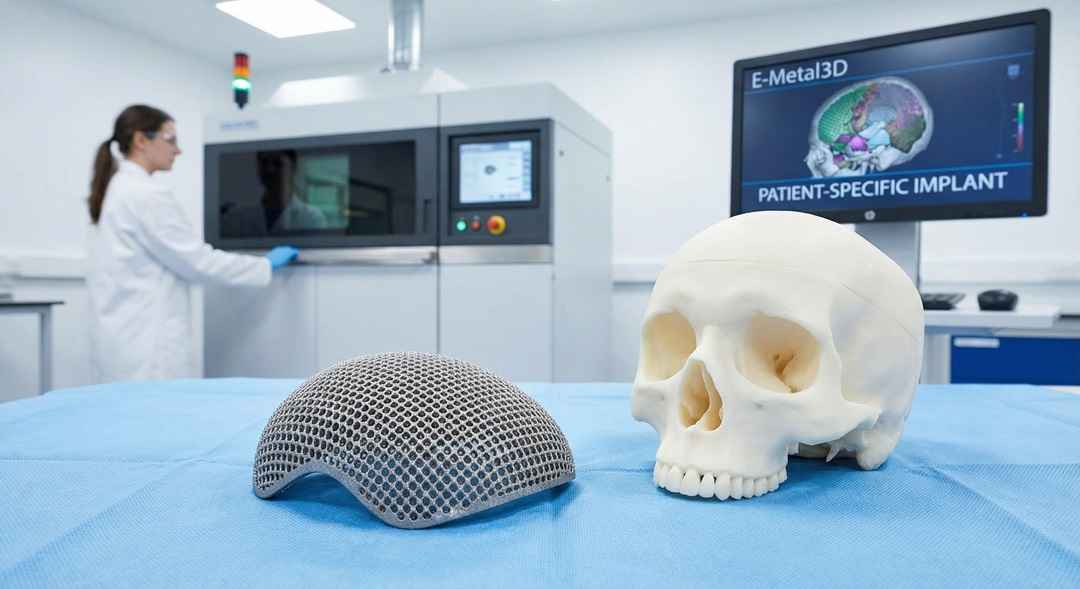
Patient-specific implants are medical devices designed and manufactured to match the unique anatomical geometry of an individual patient. Unlike standard implants produced in fixed sizes, these components are customized using patient imaging data—typically from CT or MRI scans.
This approach allows surgeons and engineers to design implants that fit perfectly, distribute loads more effectively, and integrate naturally with surrounding bone and tissue.
Common examples include:
-
Cranial plates
-
Spinal cages
-
Hip and knee implants
-
Maxillofacial and dental implants
Metal 3D printing makes the production of such customized components both technically feasible and economically viable.
Why Traditional Manufacturing Falls Short
Conventional manufacturing methods such as machining, casting, and forging are highly effective for mass production, but they are poorly suited for patient-specific medical applications.
Key limitations include:
-
High tooling costs for one-off or low-volume parts
-
Long lead times for design changes
-
Limited ability to produce complex internal structures
-
Inefficient material usage
For patient-specific implants—where every design is unique—these limitations result in higher costs, longer surgical preparation times, and reduced design freedom.
How Metal 3D Printing Enables Customization
Digital Workflow from Scan to Implant
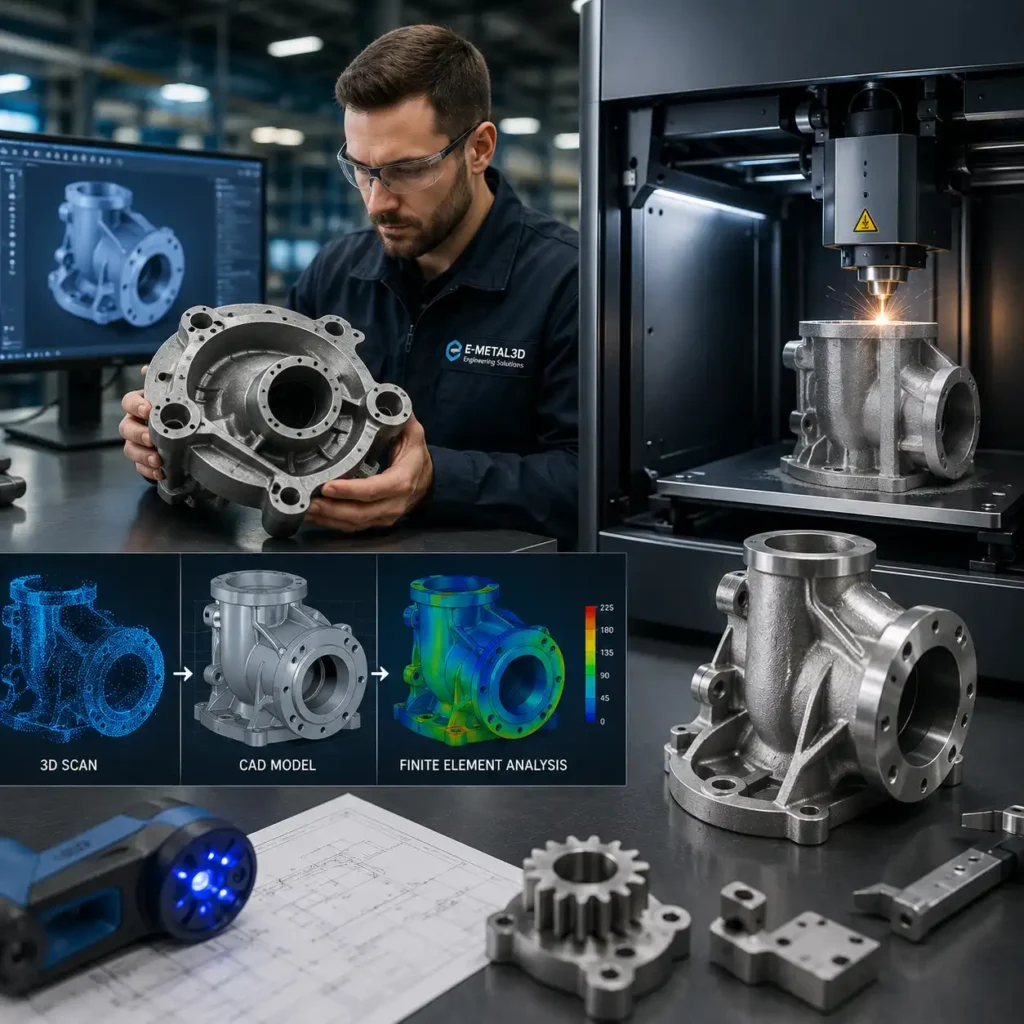
Metal additive manufacturing enables a fully digital workflow:
-
Patient anatomy is captured using CT or MRI scans
-
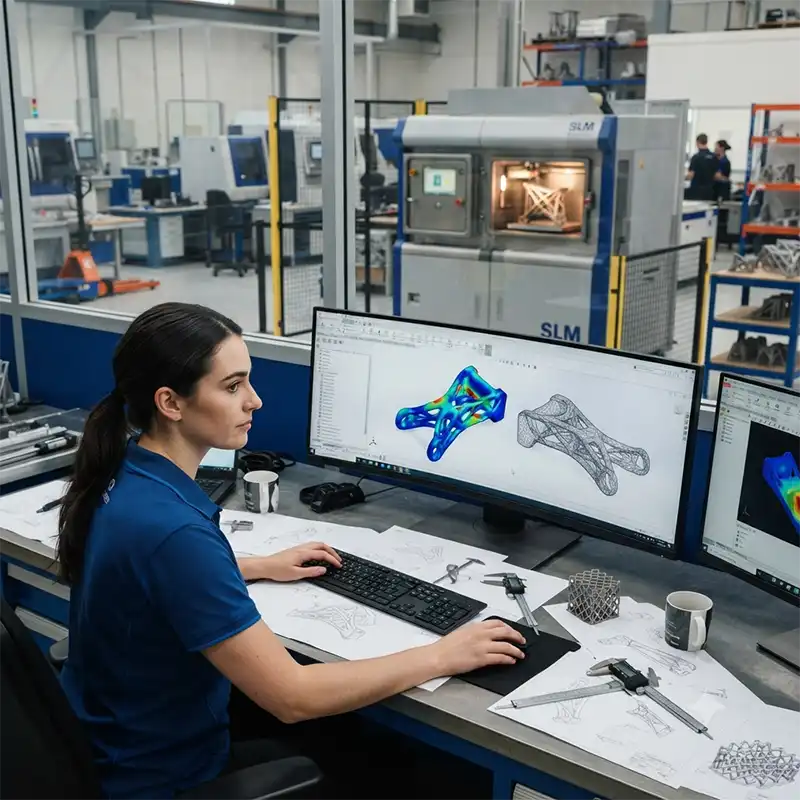
Imaging data is converted into a 3D CAD model
-
The implant is digitally designed to match the anatomy
-
The part is produced directly using LPBF technology
This seamless workflow eliminates tooling, accelerates production, and allows for rapid design iterations.
Complex Geometry and Lattice Structures
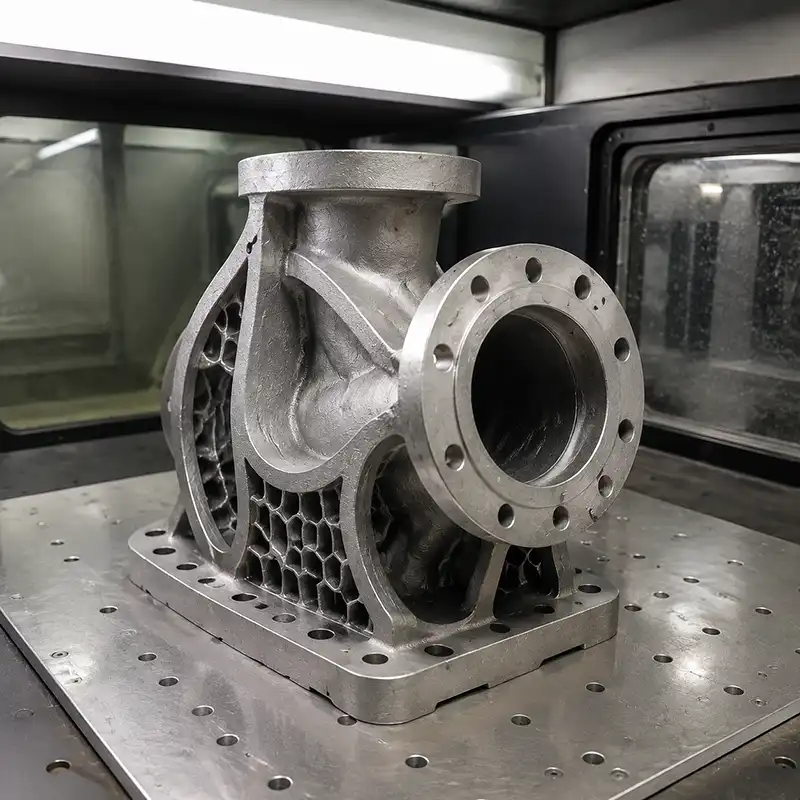
One of the most powerful advantages of metal 3D printing is the ability to create geometries that are impossible with traditional methods.
Patient-specific implants often incorporate:
-
Porous lattice structures to promote osseointegration
-
Internal channels for weight reduction
-
Optimized load-bearing geometries
These features help implants mimic the mechanical behavior of natural bone, reducing stress shielding and improving long-term performance.
Materials for Patient-Specific Metal Implants
Material selection is critical in medical applications. At E-Metal3D, we work with certified, medical-grade metal powders designed for biocompatibility and long-term reliability.
Common materials include:
Titanium Ti6Al4V (Ti64)
-
Excellent biocompatibility
-
High strength-to-weight ratio
-
Ideal for orthopedic and dental implants
Stainless Steel 316L
-
Good corrosion resistance
-
Cost-effective for surgical instruments and temporary implants
Cobalt-Chrome (CoCr)
-
Exceptional wear resistance
-
Commonly used in joint replacements
All powders are fully traceable and meet international medical standards.
Precision and Accuracy with LPBF Technology
Laser Powder Bed Fusion offers micron-level accuracy, which is essential for patient-specific implants. Tight tolerances ensure:
-
Perfect anatomical fit
-
Reduced surgical adjustments
-
Improved implant stability
At E-Metal3D, advanced process control and in-situ monitoring ensure repeatability and consistency across builds, even for highly complex geometries.
Surface Engineering for Biological Integration
Surface quality plays a critical role in implant success. Metal additive manufacturing allows precise control over surface texture, which directly affects bone growth and tissue integration.
Post-processing options include:
-
Controlled roughness for osseointegration
-
Polishing for articulating surfaces
-
Electropolishing for enhanced cleanliness and corrosion resistance
E-Metal3D provides end-to-end finishing solutions tailored to medical applications.
Faster Surgical Planning and Reduced Operating Time
Patient-specific implants simplify surgical procedures. Because the implant is designed to match the patient’s anatomy exactly:
-
Less intraoperative modification is required
-
Surgical time is reduced
-
Risk of complications is minimized
This leads to better outcomes for patients and lower overall healthcare costs.
Regulatory Compliance and Quality Assurance
Medical implants are subject to strict regulatory oversight. E-Metal3D operates under robust quality management systems aligned with ISO and ASTM standards.
Each patient-specific implant benefits from:
-
Full material traceability
-
Process documentation
-
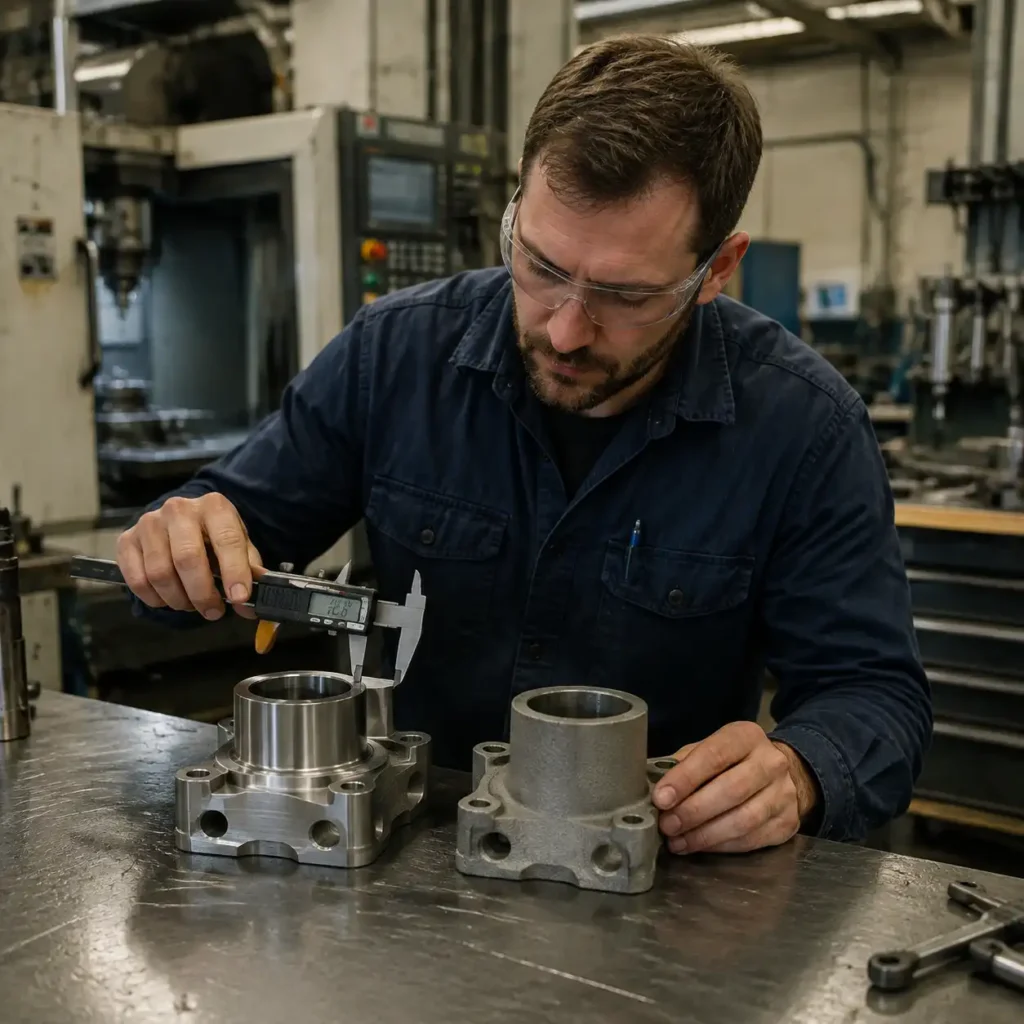
Dimensional inspection and validation
This ensures compliance with regulatory requirements and supports faster approval pathways for medical device manufacturers.
Sustainability and Efficiency in Medical Manufacturing
Metal additive manufacturing is inherently resource-efficient. By building parts layer by layer, waste material is minimized compared to subtractive processes.
Additional benefits include:
-
Reduced scrap rates
-
On-demand production
-
Lower inventory requirements
For medical manufacturers, this translates into lower costs and a smaller environmental footprint.
The Future of Personalized Implants
As imaging, software, and additive manufacturing technologies continue to advance, patient-specific implants will become the standard rather than the exception.
Emerging trends include:
-
AI-driven implant design
-
Integrated digital twins
-
Faster point-of-care manufacturing
E-Metal3D remains at the forefront of this evolution, supporting medical innovators with advanced metal AM solutions.
Partner with E-Metal3D
With more than 20 years of engineering expertise and deep experience in metal additive manufacturing, E-Metal3D is a trusted partner for medical device manufacturers.
From design support and material supply to printing, post-processing, and quality assurance, we deliver end-to-end solutions for patient-specific medical implants—helping bring safer, more effective healthcare solutions to market.