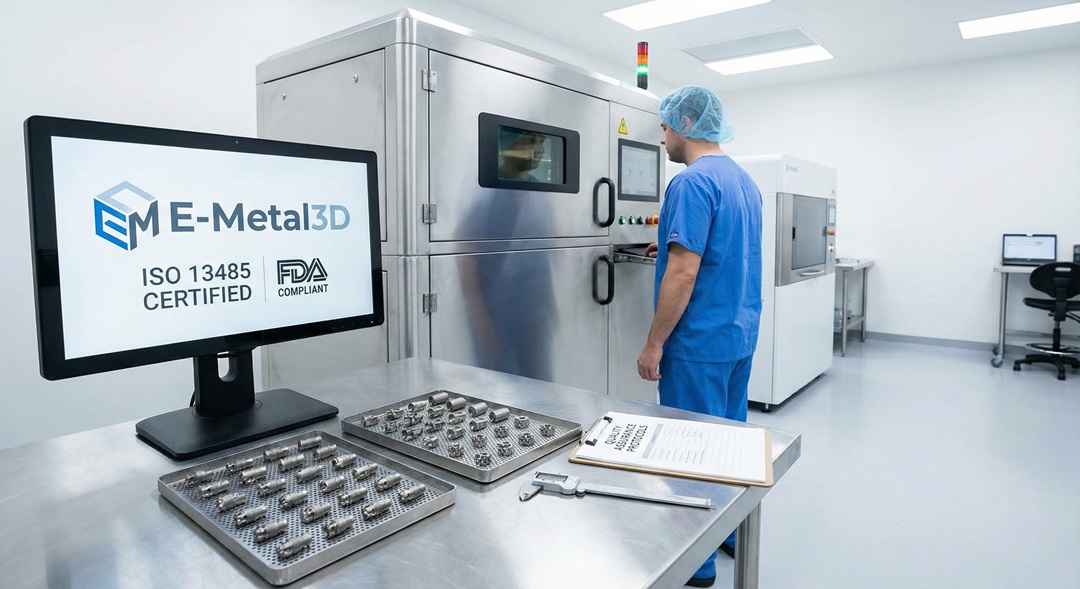
The medical industry is one of the most highly regulated sectors globally. Patient safety, product efficacy, and traceability are paramount, and metal additive manufacturing (AM) — particularly Laser Powder Bed Fusion (LPBF) — must meet strict standards to be viable for medical applications.
At E-Metal3D, we combine advanced metal 3D printing capabilities with rigorous regulatory compliance and quality assurance (QA) processes to produce reliable, high-performance medical devices and implants.
This article explores the key regulatory standards, quality control practices, and certification strategies that govern medical additive manufacturing.
Understanding Regulatory Requirements in Medical AM
Medical devices and implants require adherence to global and regional standards. Key frameworks include:
1. ISO 13485: Medical Devices Quality Management Systems
-
Specifies requirements for a quality management system specific to medical devices.
-
Covers design, development, production, installation, and servicing.
-
Ensures that all metal AM processes are documented, controlled, and repeatable.
2. ISO 14971: Risk Management for Medical Devices
-
Focuses on identifying, evaluating, and mitigating risks associated with medical devices.
-
For metal AM, this includes material selection, surface roughness, dimensional accuracy, and mechanical integrity.
3. ASTM and ISO Standards for Additive Manufacturing
-
ASTM F3001: Standard specification for Ti6Al4V ELI powder in additive manufacturing.
-
ASTM F3184: Requirements for metal 3D printed surgical instruments.
-
ISO/ASTM 52900: Defines AM process categories, ensuring consistent terminology and classification.
4. FDA Guidelines
-
In the United States, the FDA regulates additive manufacturing of medical devices.
-
Guidance documents cover:
-
Design control and documentation
-
Material traceability
-
Validation of printing processes and post-processing steps
-
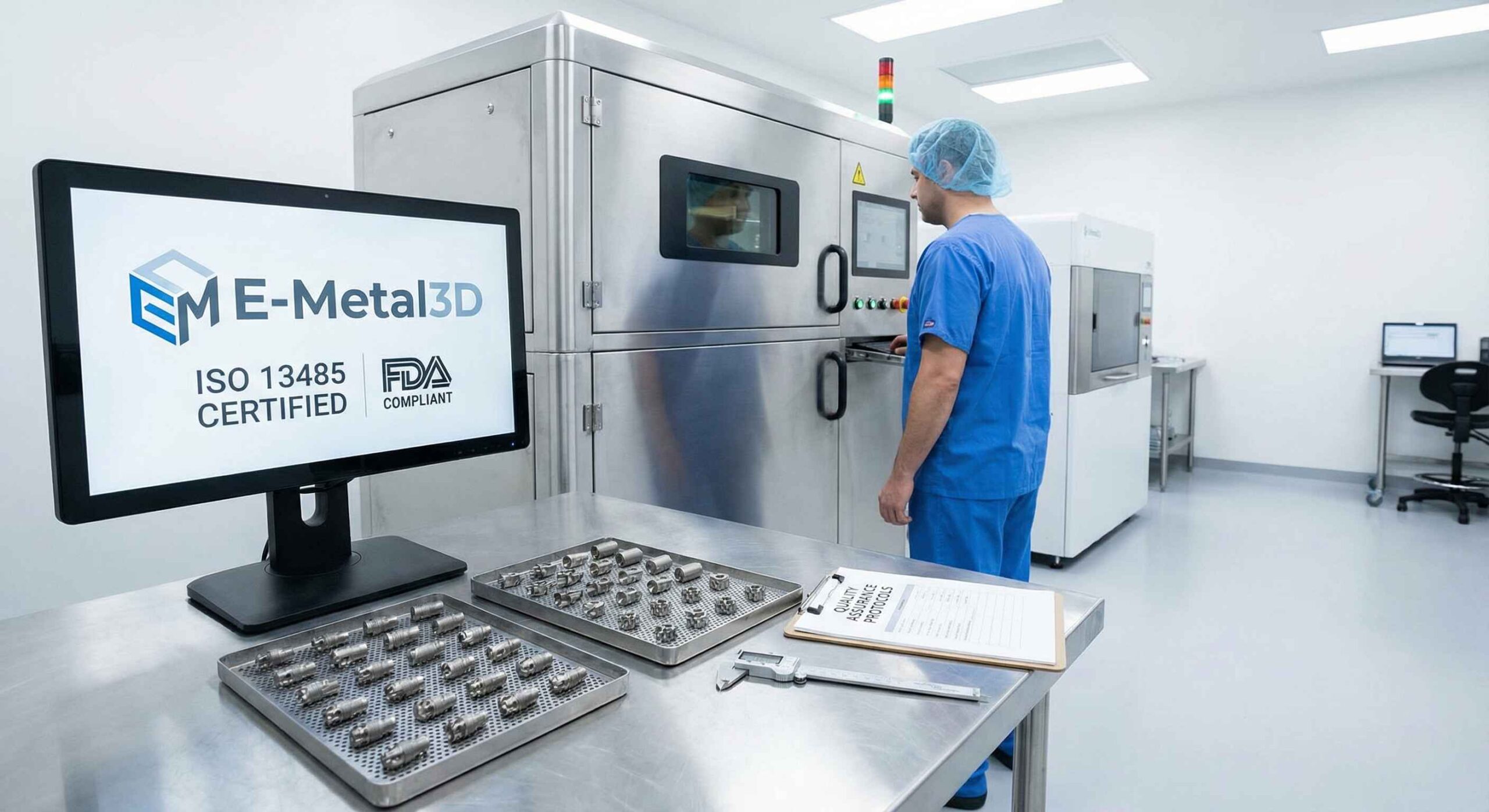
Quality Assurance in Medical Metal 3D Printing
Quality assurance ensures that every component meets performance, safety, and regulatory requirements. E-Metal3D implements a comprehensive QA framework:
1. Material Traceability
-
Each batch of medical-grade powders (e.g., Titanium Ti6Al4V, Stainless Steel 316L, Cobalt-Chrome) is documented and tested.
-
Certificates of analysis confirm chemical composition, particle size distribution, and biocompatibility.
2. Process Validation
-
Each LPBF printer undergoes calibration and validation to maintain layer accuracy, density, and mechanical properties.
-
Key parameters monitored include laser power, scan speed, and powder layer thickness.
3. Dimensional and Geometrical Inspection
-
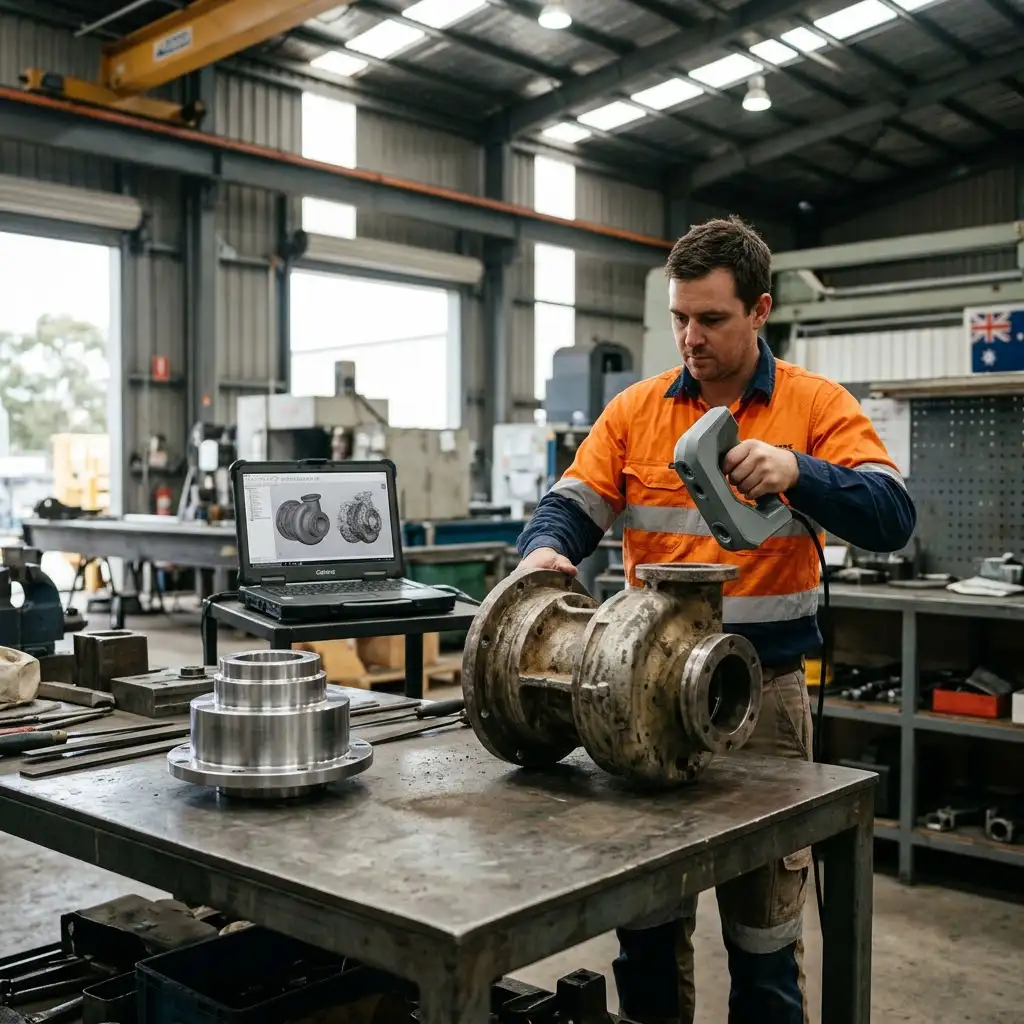
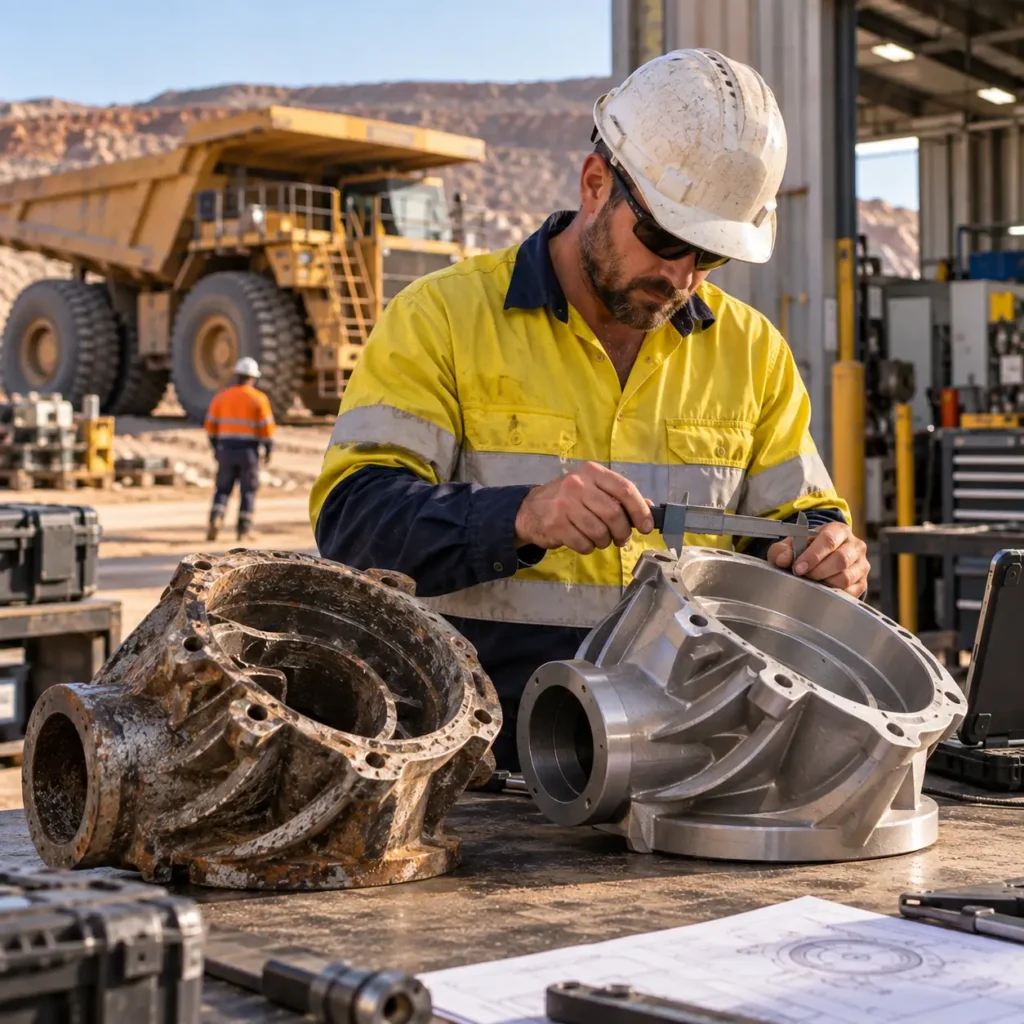
3D scanning and coordinate measuring machines (CMM) verify dimensions and tolerances.
-
Ensures implants and devices precisely match patient-specific anatomy and design specifications.
4. Mechanical Testing
-
Fatigue, tensile, and hardness tests validate the structural integrity of printed parts.
-
Critical for load-bearing implants like hip joints, spinal cages, and orthopedic plates.
5. Surface Quality Assessment
-
Surface roughness and finishing are evaluated using profilometers and optical metrology.
-
Post-processing (polishing, bead blasting, electropolishing) ensures biocompatibility and osseointegration.
6. Documentation and Record Keeping
-
Detailed records for every part, including material lot, printer settings, post-processing steps, and inspection results, are maintained.
-
Facilitates regulatory audits, product recalls (if necessary), and ISO/FDA compliance.
Risk Management and Patient Safety
Risk assessment is integral to regulatory compliance in medical AM. Steps include:
-
Design Risk Analysis: Evaluating failure modes related to patient anatomy, load-bearing, and functionality.
-
Material Risk Evaluation: Ensuring metals meet biocompatibility and corrosion resistance standards.
-
Process Control Risks: Monitoring printer calibration, powder handling, and post-processing consistency.
E-Metal3D leverages risk mitigation strategies, including redundant inspections and controlled environments, to prevent defects and ensure patient safety.
Validation and Verification in Medical AM
1. Design Verification
-
Confirms that designs meet intended functional requirements.
-
Utilizes FEA (Finite Element Analysis) and CFD simulations to predict mechanical performance.
2. Process Validation
-
Each AM printer is validated for repeatable production.
-
Includes test prints, density measurements, and mechanical tests for verification.
3. Post-Processing Validation
-
Heat treatment, machining, and surface finishing processes are validated to ensure uniformity and compliance.
-
Ensures final parts meet all dimensional, mechanical, and surface specifications.
Regulatory Documentation and Certification
Proper documentation supports regulatory approvals and market access:
-
Device Master File (DMF): Contains detailed information on materials, design, and manufacturing processes.
-
Certificates of Conformity: Prove compliance with ISO, ASTM, and FDA standards.
-
Quality Control Records: Maintain traceability of every part produced, from powder batch to finished product.
E-Metal3D ensures end-to-end traceability, making audits and product submissions straightforward and efficient.
Challenges in Medical Additive Manufacturing Compliance
-
Complex Geometries: Irregular shapes may challenge inspection and verification processes.
-
Powder Reuse: Maintaining material integrity and biocompatibility when recycling metal powders.
-
Regulatory Variation: Different countries have specific guidelines and documentation requirements.
-
Post-Processing Consistency: Ensuring uniform surface finish and mechanical performance across batches.
E-Metal3D addresses these challenges through robust SOPs (Standard Operating Procedures) and automated monitoring.
Future Trends in Medical AM QA
-
AI and Machine Learning: Predictive monitoring of printer performance and defect detection.
-
Digital Twin Technology: Simulating each print’s mechanical performance before actual production.
-
Automated Inspection Systems: Reducing human error in post-processing and measurement.
-
Blockchain for Traceability: Immutable records of powder batches, printing parameters, and inspection results.
These trends will continue to enhance safety, reliability, and regulatory compliance in medical additive manufacturing.
Conclusion: Ensuring Safety and Compliance with E-Metal3D
Regulatory standards and quality assurance are at the core of medical additive manufacturing. By adhering to ISO, ASTM, and FDA guidelines, and implementing rigorous QA protocols, E-Metal3D delivers:
-
Patient-safe implants and medical devices
-
Reliable and repeatable manufacturing processes
-
Full traceability for regulatory compliance
-
High-performance, biocompatible, and precise medical components
With over 20 years of engineering expertise and a commitment to excellence, E-Metal3D ensures that every part leaving our facility meets the highest standards of safety, quality, and innovation.