How Metal 3D Printing is Transforming Australia’s Mining Industry
Australia’s mining sector has always been built on innovation. From autonomous haul trucks in Western Australia to advanced mineral processing facilities in Queensland, mining companies are constantly looking for ways to improve efficiency, reduce downtime, and lower operational costs.
Now, a new wave of industrial innovation is reshaping the industry: Metal 3D Printing.
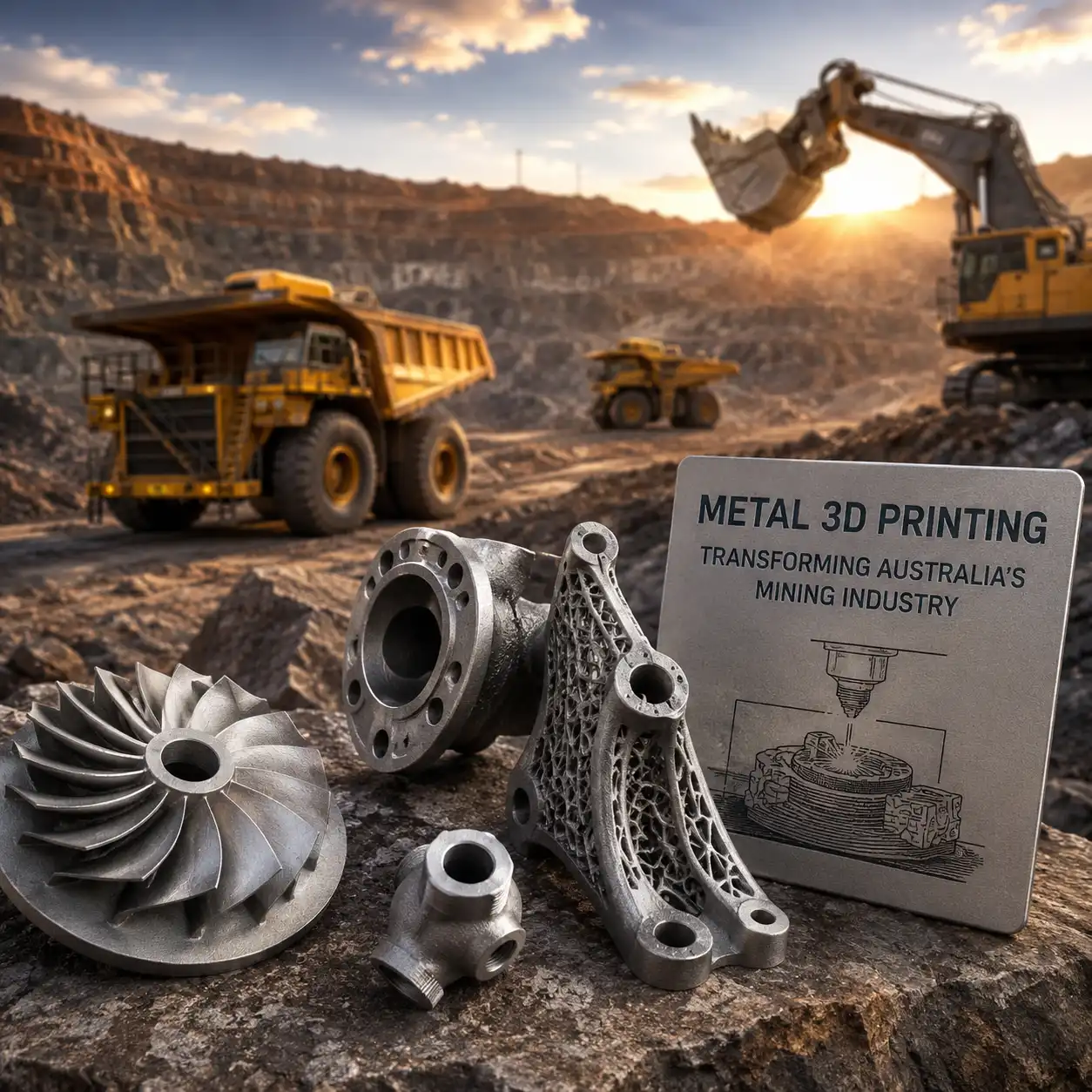
Also known as metal additive manufacturing, this technology is rapidly changing how mining companies design, manufacture, repair, and optimise critical components. Instead of relying solely on traditional machining, casting, or overseas supply chains, mining operators can now produce high-performance metal parts faster, smarter, and more efficiently.
At E-Metal3D, we are seeing growing interest across Australia’s mining industry as companies search for practical ways to improve equipment reliability while reducing delays and production risks.
Why the Mining Industry Needs Faster Manufacturing Solutions
Mining is one of the harshest industrial environments in the world.
Equipment operates under:
- Extreme mechanical stress
- Constant vibration
- Abrasive materials
- Corrosive conditions
- Remote operating locations
When a critical component fails, the cost of downtime can be enormous. In some operations, even a few hours of equipment failure can lead to major production losses.
Traditional manufacturing methods often create additional challenges:
- Long lead times for spare parts
- Expensive tooling costs
- Overseas shipping delays
- Complex repair procedures
- Limited design flexibility
This is where metal 3D printing becomes a game changer.
What is Metal 3D Printing?
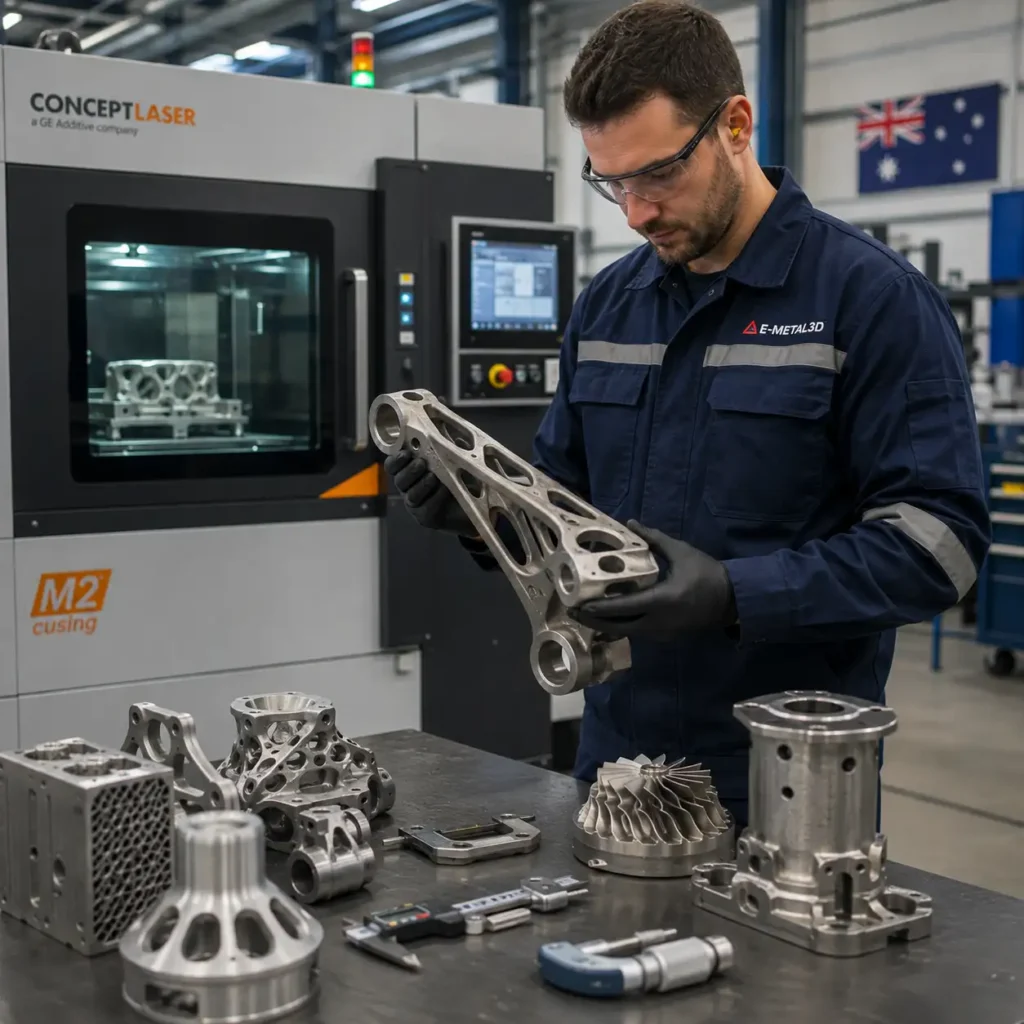
Metal 3D printing is an advanced manufacturing process where metal powder is fused layer by layer using high-powered lasers to create fully functional metal components.
Technologies such as Laser Powder Bed Fusion (LPBF) allow engineers to manufacture complex parts directly from digital CAD models with exceptional precision.
Unlike conventional manufacturing, additive manufacturing does not require molds, casting tools, or extensive machining processes.
This creates major advantages for mining companies that need:
- Rapid prototyping
- Custom metal parts
- Lightweight components
- Fast replacement parts
- On-demand manufacturing
How Australian Mining Companies Are Using Metal 3D Printing
Across Australia, mining operators are increasingly exploring additive manufacturing for both operational efficiency and maintenance optimisation.
Some common applications include:
- Pump housings
- Wear-resistant components
- Drill parts
- Heat exchangers
- Valve assemblies
- Hydraulic connectors
- Impellers
- Conveyor system components
Many of these parts traditionally require complex machining or long overseas procurement cycles.
With industrial metal 3D printing, production can happen significantly faster.
Reducing Downtime with On-Demand Manufacturing
One of the biggest benefits of metal additive manufacturing in mining is reduced downtime.
Why does downtime matter so much?
Because mining operations run continuously.
When equipment fails, operators cannot always wait weeks for replacement components to arrive from international suppliers.
Using digital manufacturing workflows, parts can be:
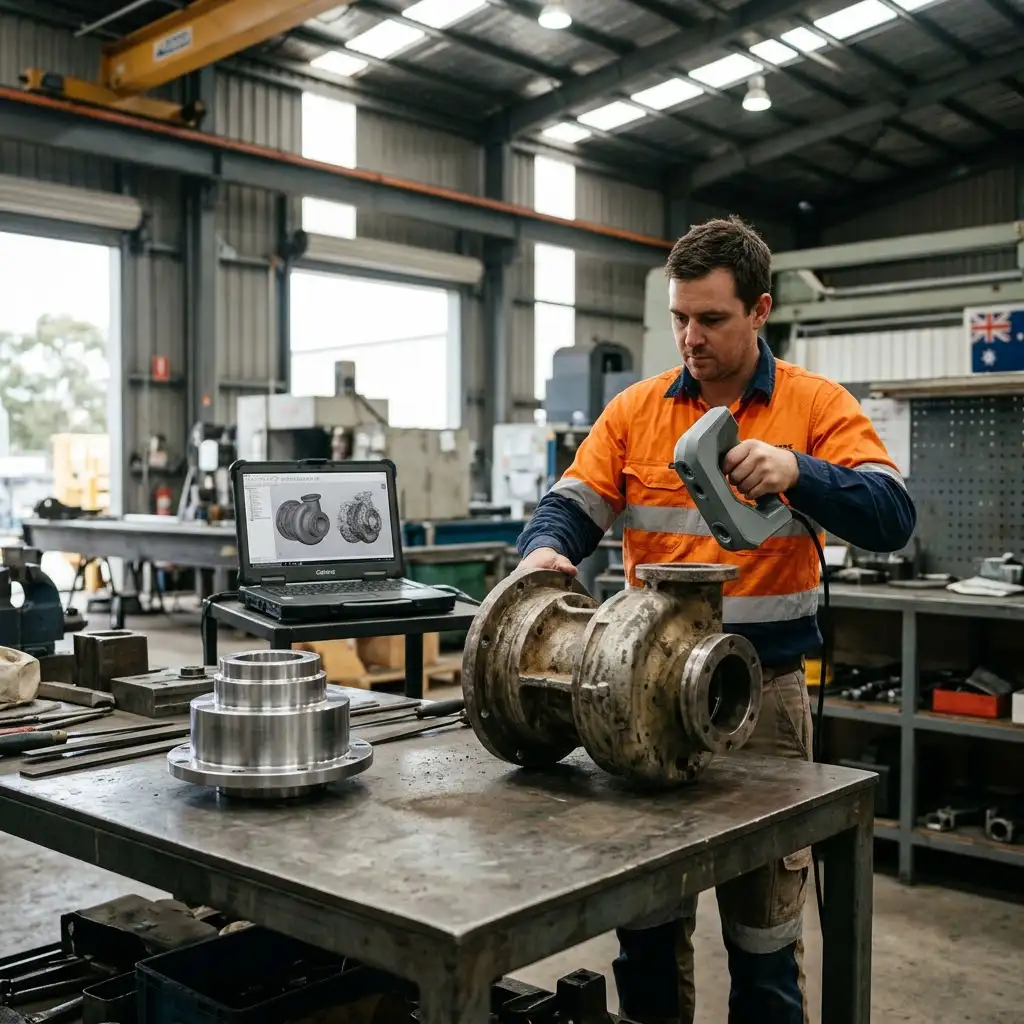
- Scanned
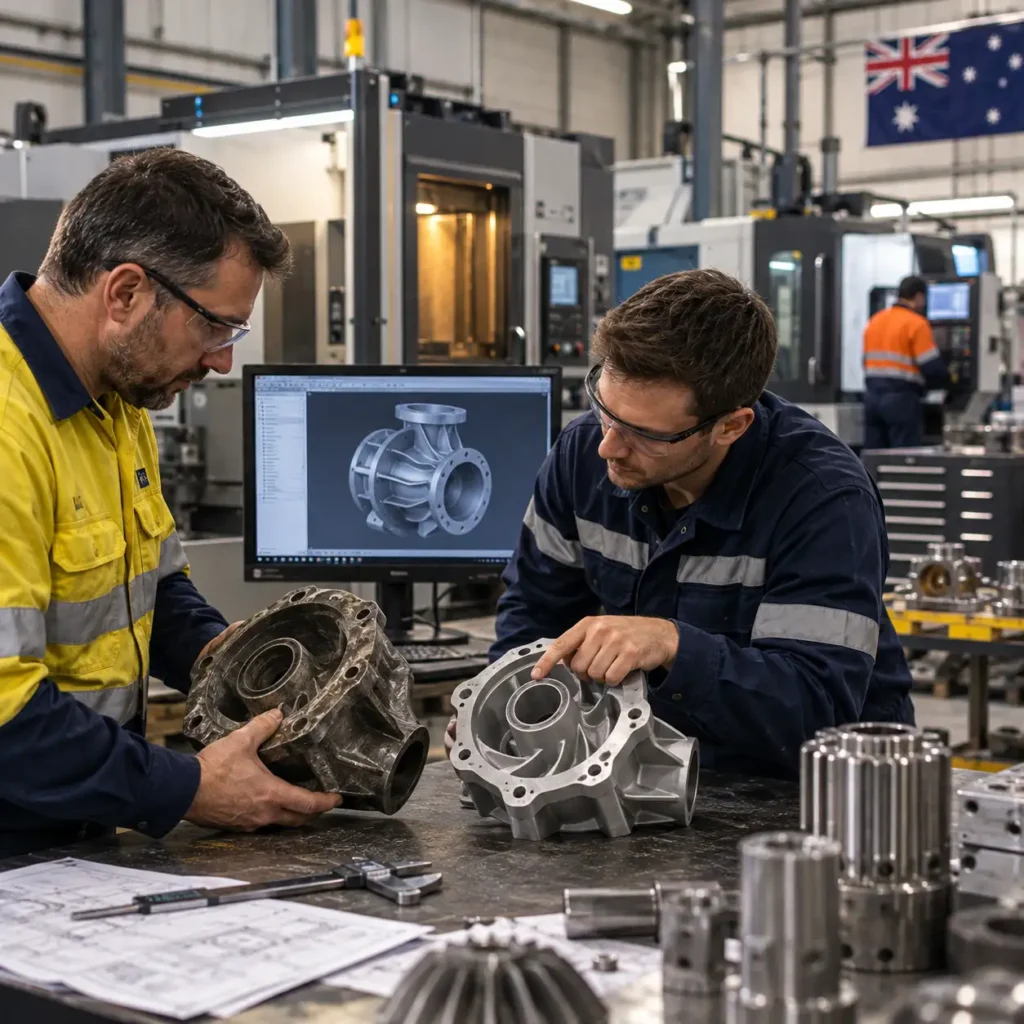
- Reverse engineered
- Optimised
- Printed locally
This process dramatically shortens lead times.
At E-Metal3D, we help mining companies explore faster manufacturing strategies through advanced engineering support and industrial metal 3D printing technologies.
Can Metal 3D Printed Parts Handle Harsh Mining Conditions?
This is one of the most common questions in the industry.
The short answer:
Yes — when engineered correctly.
Modern metal additive manufacturing materials are specifically designed for demanding industrial environments.
Common materials include:
- Stainless Steel 316L
- Inconel 718
- Titanium alloys
- Maraging Steel
- Aluminium alloys
These materials offer:
- High strength
- Corrosion resistance
- Thermal stability
- Wear resistance
- Lightweight performance
For mining operations, this means stronger and more durable parts with longer service life.
Design Freedom Changes Everything
Traditional manufacturing often limits engineers because certain geometries are difficult or impossible to machine.
Metal 3D printing removes many of these limitations.
Engineers can now create:
- Internal cooling channels
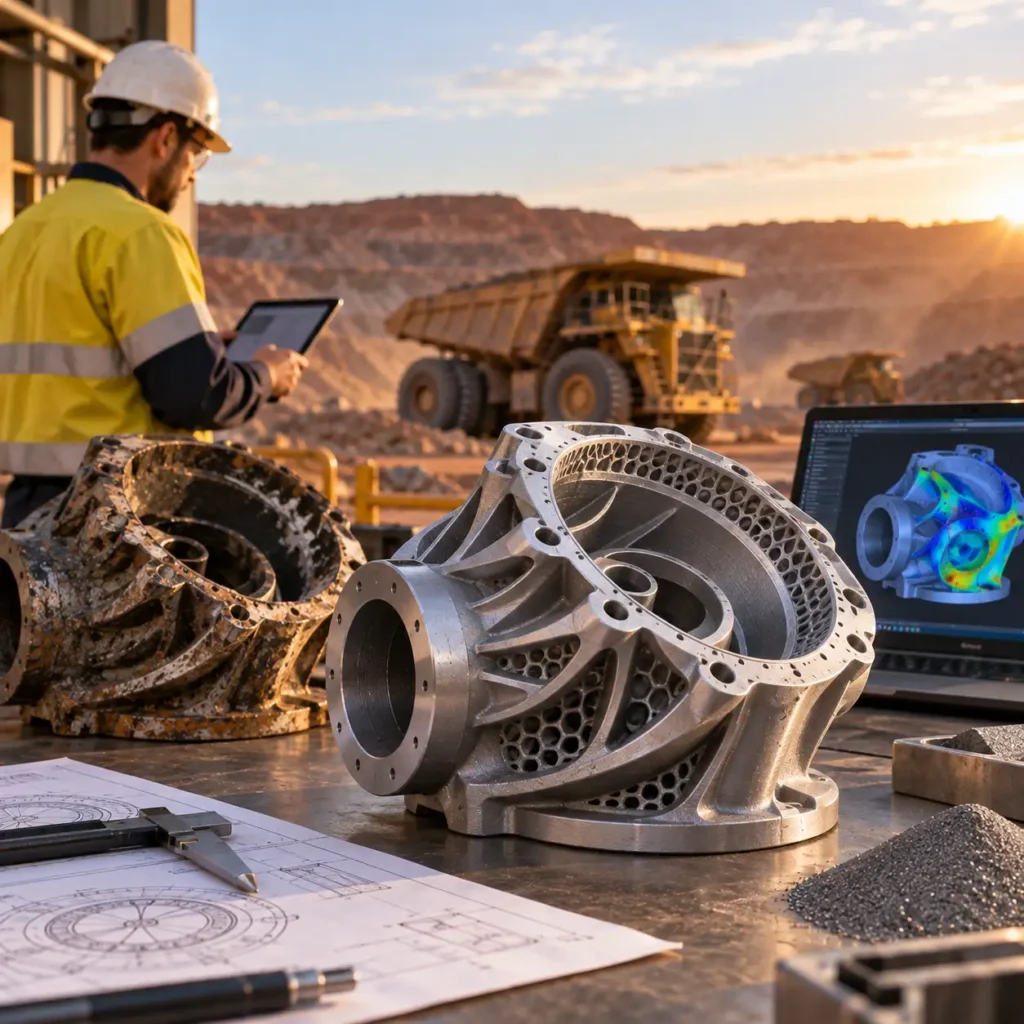
- Lightweight lattice structures
- Optimised airflow paths
- Consolidated assemblies
- Complex geometries
This improves both performance and efficiency.
For example, several welded components can often be redesigned into a single printed part, reducing failure points and simplifying maintenance.
Is Metal Additive Manufacturing Cost Effective?
Another common question.
The answer depends on the application.
For high-volume simple parts, traditional manufacturing may still be cheaper.
However, for:
- Low-volume production
- Custom components
- High-performance parts
- Rapid repairs
- Complex geometries
Metal additive manufacturing can deliver major cost savings.
Mining companies especially benefit when considering:
- Reduced downtime
- Lower inventory requirements
- Faster repairs
- Less material waste
- Improved operational efficiency
Sustainability Benefits for Mining Operations
Sustainability is becoming increasingly important in Australia’s mining sector.
Traditional subtractive manufacturing often wastes large amounts of raw material.
Metal 3D printing is different.
Because parts are built layer by layer, only the required material is used.
This helps reduce:
- Material waste
- Logistics requirements
- Excess inventory
- Carbon emissions
Localised manufacturing also reduces dependence on long international supply chains.
The Growing Role of 3D Scanning and Reverse Engineering
Many mining companies operate equipment that has been running for decades.
In some cases, replacement parts are no longer available from the original manufacturer.
This creates major operational risks.
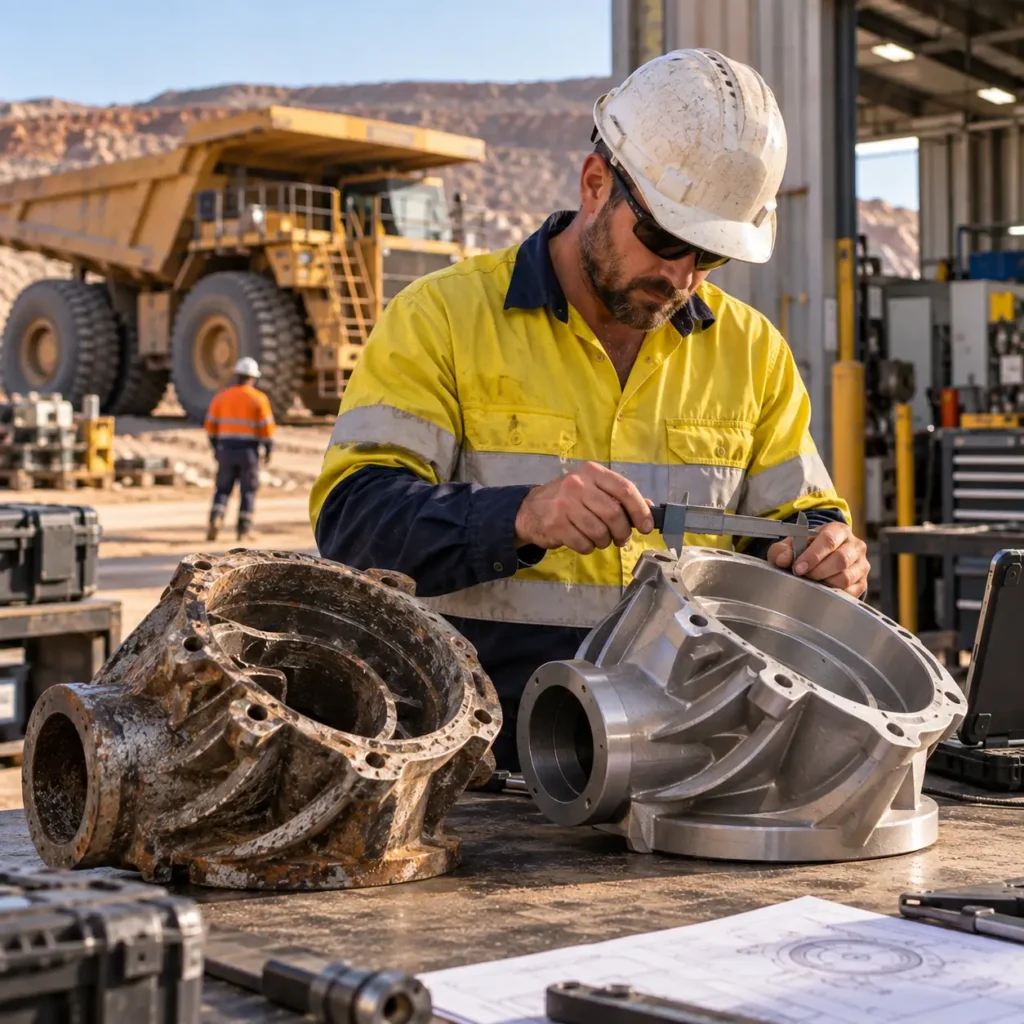
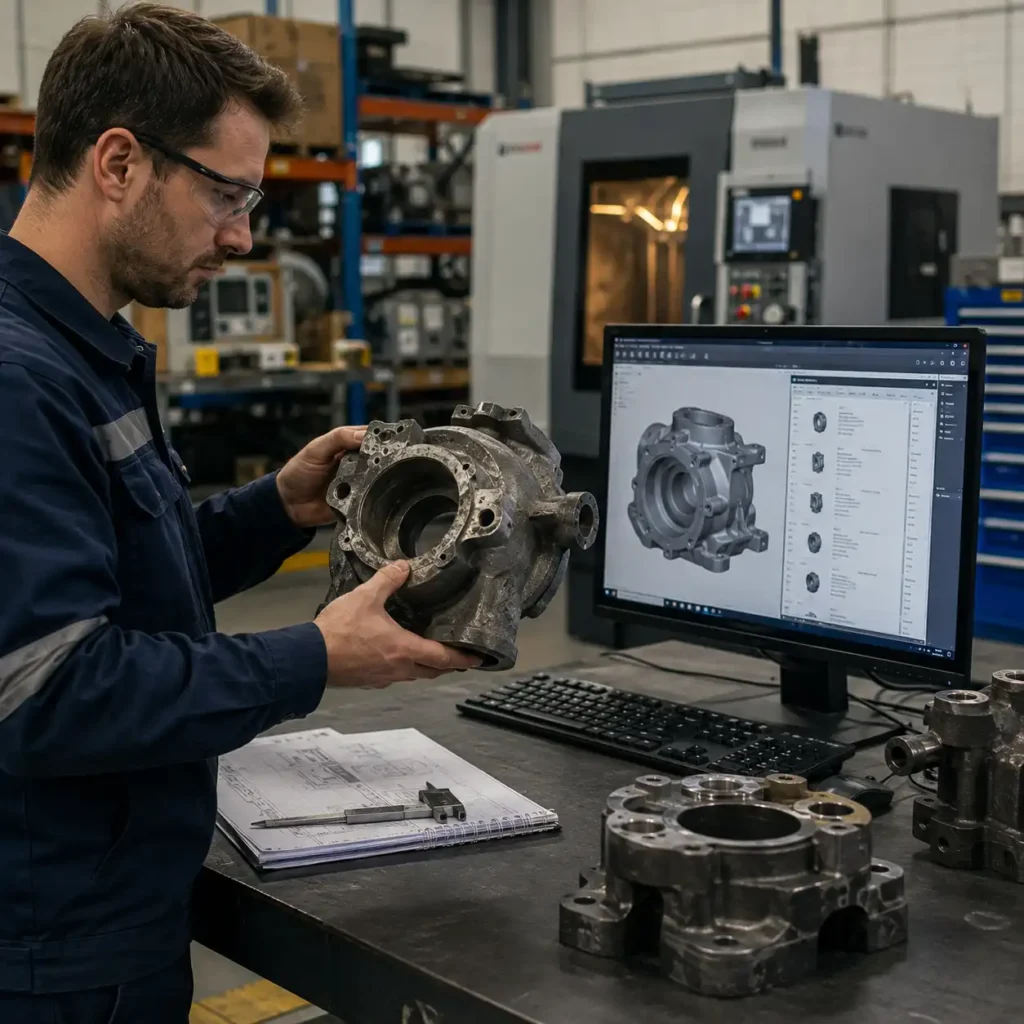
Using 3D scanning services and reverse engineering, damaged or obsolete components can be digitally recreated and reproduced through additive manufacturing.
This approach is becoming increasingly valuable for older mining infrastructure across Australia.
Why Australia is Well Positioned for Industrial 3D Printing
Australia’s mining industry is uniquely suited for additive manufacturing adoption because:
- Many operations are remote
- Equipment downtime is extremely expensive
- Supply chains can be slow
- Mining companies are innovation-driven
As industrial 3D printing technologies continue to mature, adoption is expected to grow significantly across the mining and energy sectors.
The Future of Mining Manufacturing
Metal additive manufacturing is no longer experimental technology.
It is already being used globally to improve industrial production, reduce operational delays, and optimise engineering performance.
For Australia’s mining industry, the technology offers something extremely valuable:
Flexibility.
The ability to rapidly manufacture, redesign, and improve critical components creates a competitive advantage in an industry where efficiency directly impacts profitability.
At E-Metal3D, we believe the future of mining manufacturing will combine engineering expertise, digital workflows, and advanced metal 3D printing technologies to create faster, smarter, and more sustainable industrial operations.
Final Thoughts
Mining companies across Australia are under constant pressure to improve productivity while reducing operational risk and maintenance costs.
Metal 3D printing provides a practical solution for many of these challenges.
From faster spare part production to lightweight engineering designs and on-demand manufacturing, additive manufacturing is helping reshape how mining equipment is designed and maintained.
As the technology continues to evolve, businesses that adopt industrial metal 3D printing early may gain a significant operational advantage in the years ahead.