Digital Twin Is Changing How Industries Manage Equipment
Industrial businesses are under constant pressure to reduce downtime, improve productivity, and extend the lifespan of expensive assets. Traditional maintenance strategies often rely on scheduled inspections or reactive repairs, both of which can result in unnecessary costs and unexpected failures.
This is where Digital Twin technology is making a significant difference.
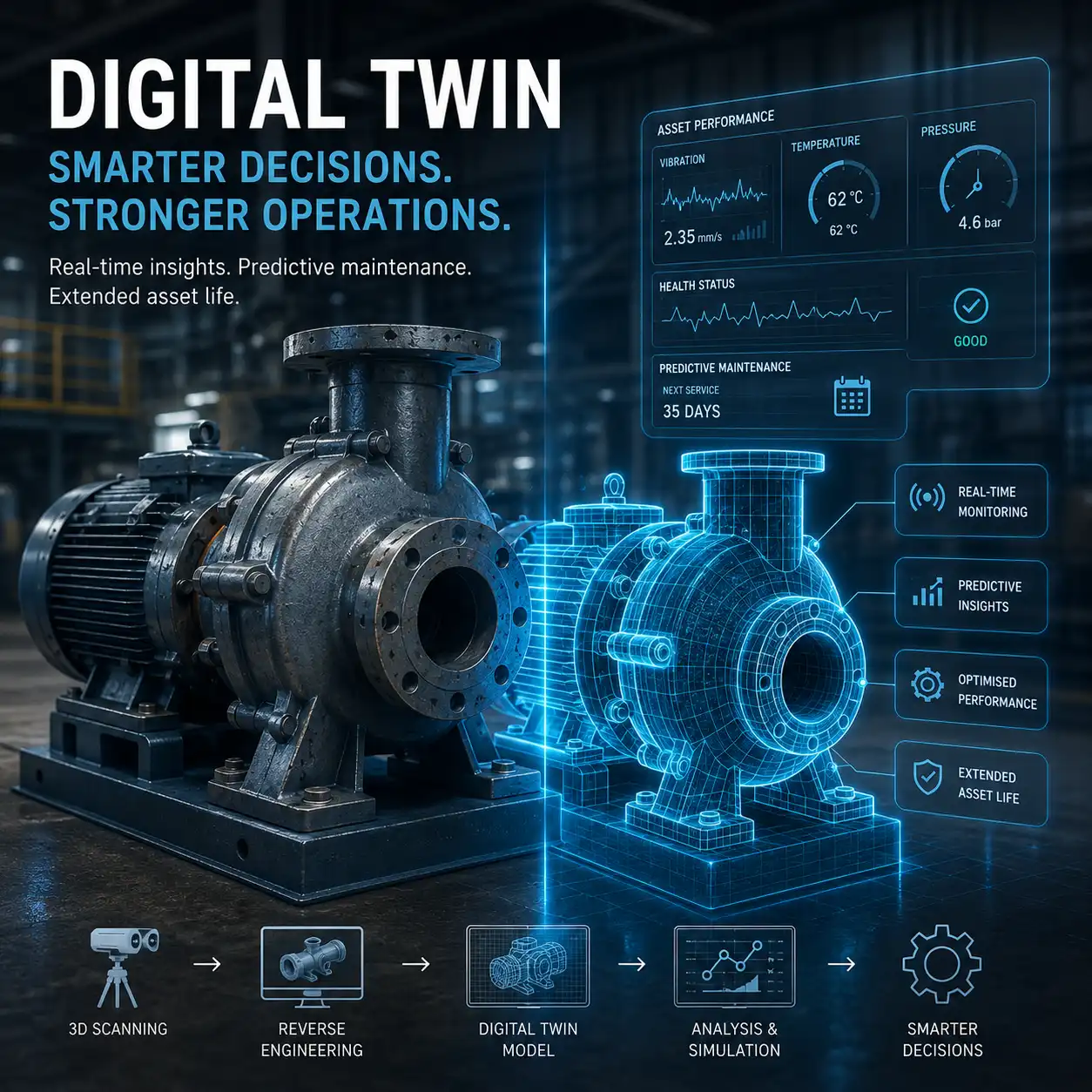
A Digital Twin is a virtual representation of a physical asset, machine, or production system that continuously reflects its real-world condition. By combining engineering data, 3D scanning, CAD models, sensor information, and operational data, businesses gain a complete digital view of their equipment throughout its entire lifecycle.
For industries such as mining, manufacturing, oil & gas, aerospace, and heavy engineering, Digital Twins are becoming an essential tool for improving maintenance strategies, increasing equipment reliability, and making better engineering decisions.
What Is a Digital Twin?
A Digital Twin is far more than a 3D model.
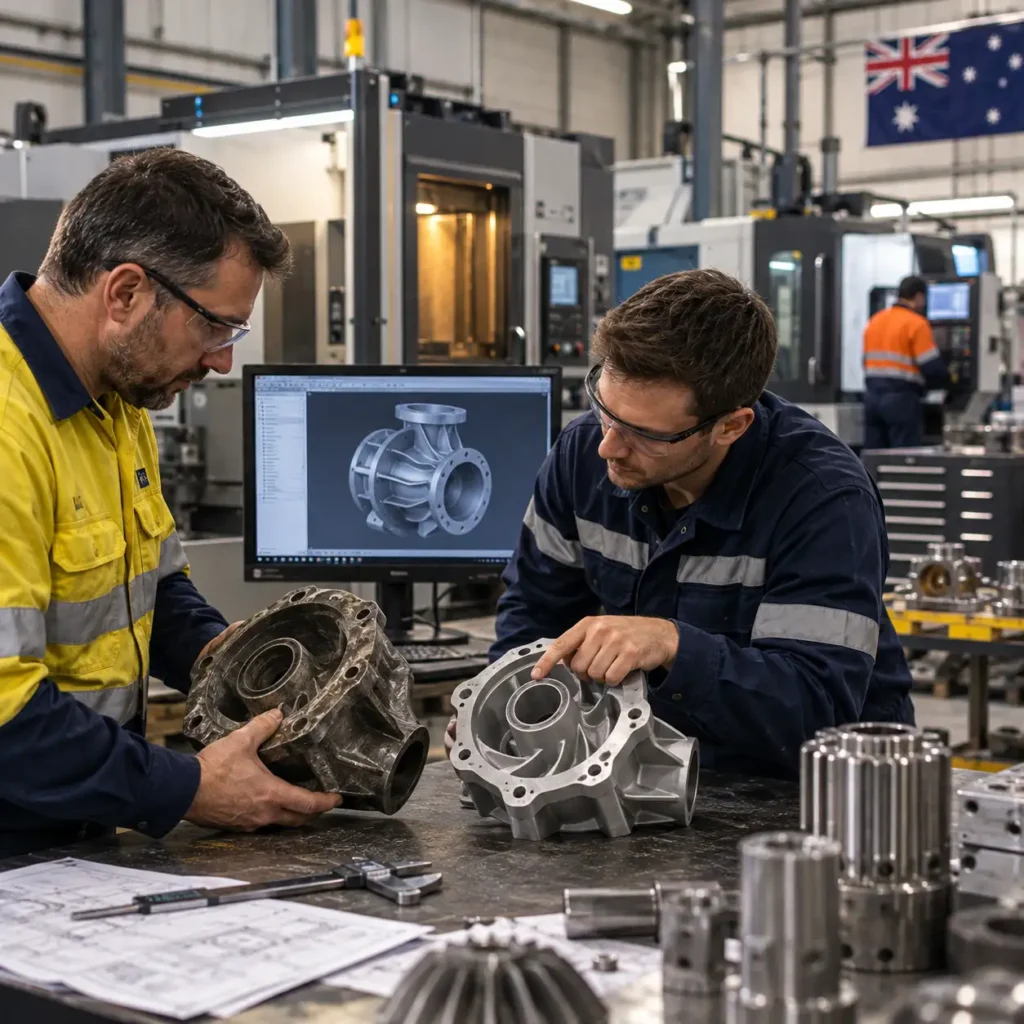
While a CAD model simply represents the geometry of a component, a Digital Twin combines that geometry with engineering information, material specifications, inspection records, operational data, and, where available, live sensor inputs.
Think of it as a living digital copy of a physical asset.
Instead of guessing how equipment is performing, engineers can analyse its digital counterpart to monitor wear, predict failures, evaluate design improvements, and optimise maintenance schedules before problems occur.
This creates a more proactive approach to asset management and significantly reduces operational risk.
Why More Companies Are Investing in Digital Twins
Industrial assets are becoming increasingly complex, while downtime continues to grow more expensive.
For many businesses, replacing an entire machine because one component has failed simply isn’t practical. At the same time, many legacy systems lack accurate documentation, making repairs and upgrades difficult.
Digital Twin technology solves many of these challenges by creating a reliable digital reference that engineers can use throughout the equipment’s lifecycle.
Companies adopting Digital Twins typically benefit from:
- Better maintenance planning
- Reduced unplanned downtime
- Faster engineering modifications
- Improved equipment reliability
- More efficient spare parts management
- Enhanced collaboration between engineering and maintenance teams
Rather than reacting to failures, organisations can make informed decisions based on accurate engineering data.
Building a Digital Twin Starts with Accurate Data
Every successful Digital Twin begins with capturing accurate information about the physical asset.
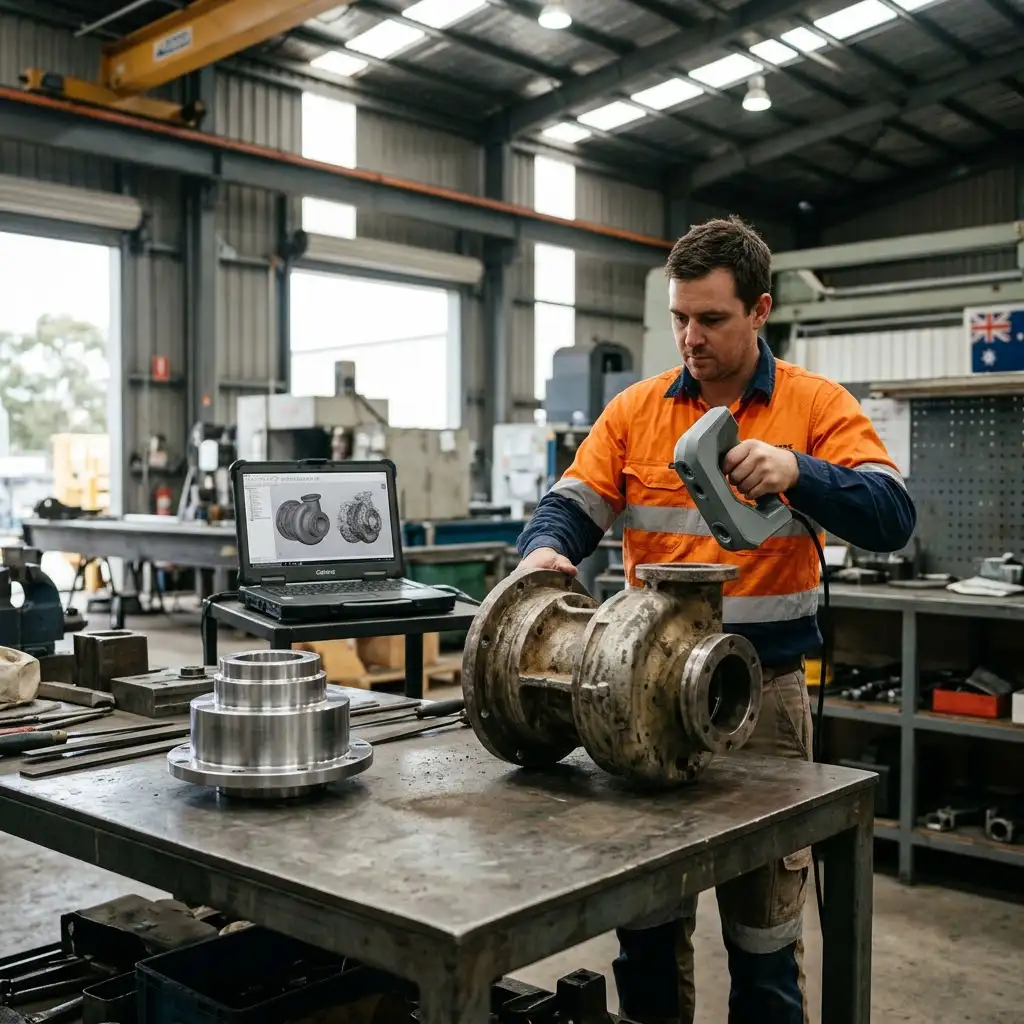
For existing equipment, this usually starts with 3D Scanning Services, where high-precision scanners capture millions of measurement points to create an accurate digital representation of the component or assembly.
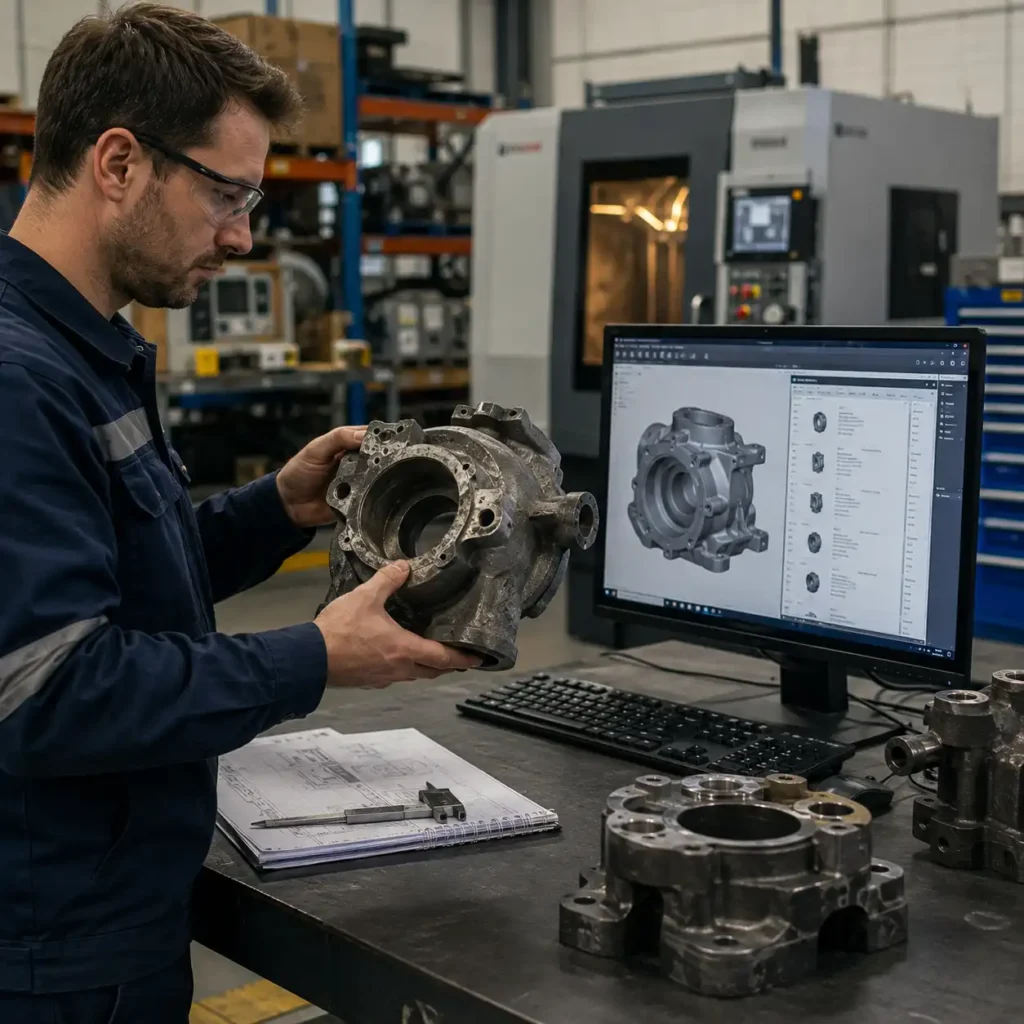
Once the scan is complete, engineers use reverse engineering techniques to develop a fully editable CAD model. This model forms the foundation of the Digital Twin and can be enhanced with material specifications, tolerances, inspection data, maintenance history, and operational information.
Without accurate geometry, even the most advanced Digital Twin will deliver unreliable results. That is why precise data capture is one of the most important stages of the entire process.
Reverse Engineering Brings Legacy Equipment into the Digital Age
Many industrial facilities still operate equipment that was installed decades ago.
Original drawings may be missing, CAD files may never have existed, and replacement parts can be extremely difficult to source.
Rather than treating these assets as outdated technology, Digital Twin workflows allow businesses to digitise existing equipment through reverse engineering.
This process not only recreates accurate engineering models but also provides an opportunity to improve original designs using modern manufacturing techniques.
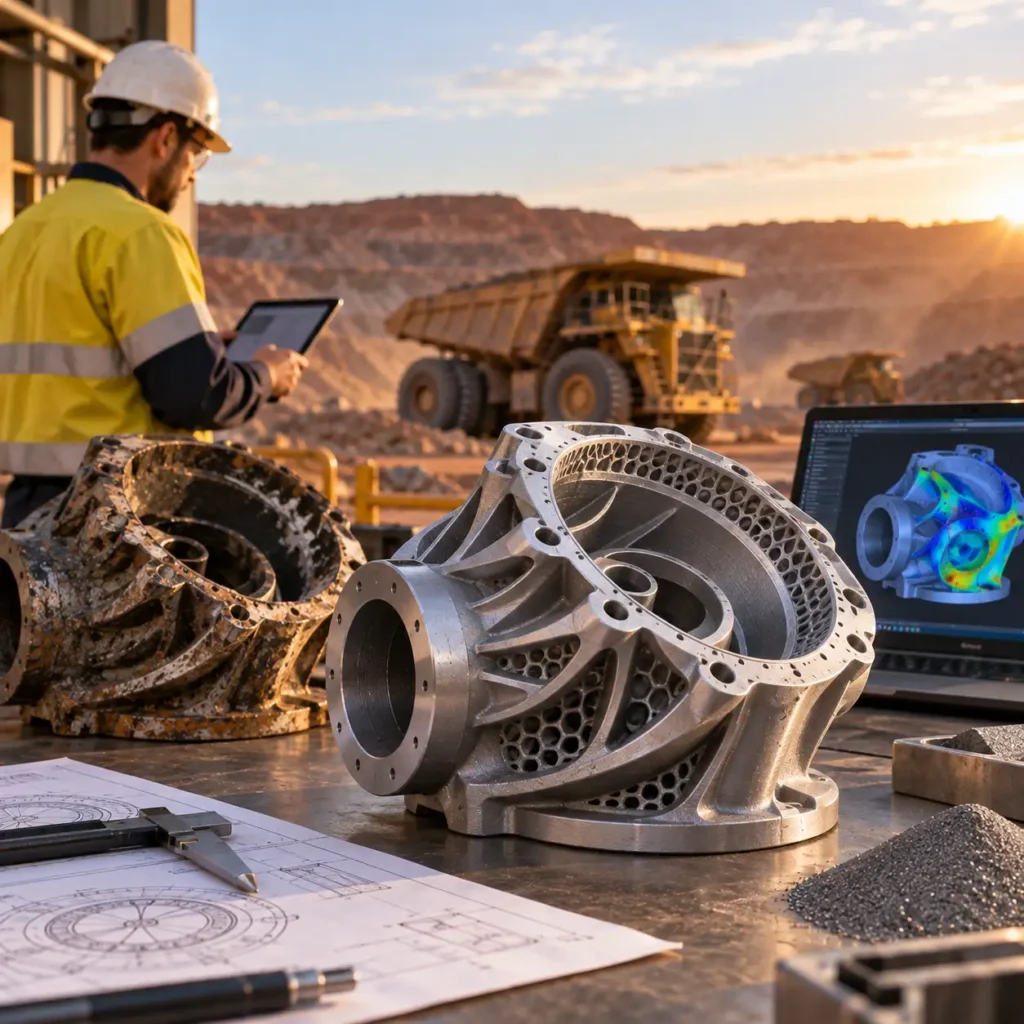
Engineers can optimise component geometry, strengthen weak areas, simplify assemblies, or redesign parts for Metal 3D Printing or CNC machining.
As a result, even ageing equipment can benefit from today’s digital engineering capabilities.
Improving Maintenance with Predictive Insights
One of the greatest advantages of Digital Twin technology is its ability to support predictive maintenance.
Instead of replacing parts based solely on operating hours or waiting for unexpected failures, engineers can evaluate equipment performance using historical data and digital simulations.
When integrated with inspection records or sensor information, Digital Twins allow maintenance teams to identify trends that indicate wear or potential failure long before production is affected.
This proactive approach helps businesses:
- Reduce emergency repairs
- Improve maintenance scheduling
- Increase equipment availability
- Lower maintenance costs
- Extend asset lifespan
For operations where downtime costs thousands of dollars per hour, these improvements quickly translate into measurable financial benefits.
Supporting Metal 3D Printing and Modern Manufacturing
Digital Twins also play an important role in additive manufacturing.
When replacement components are required, engineers already have an accurate digital model available for manufacturing.
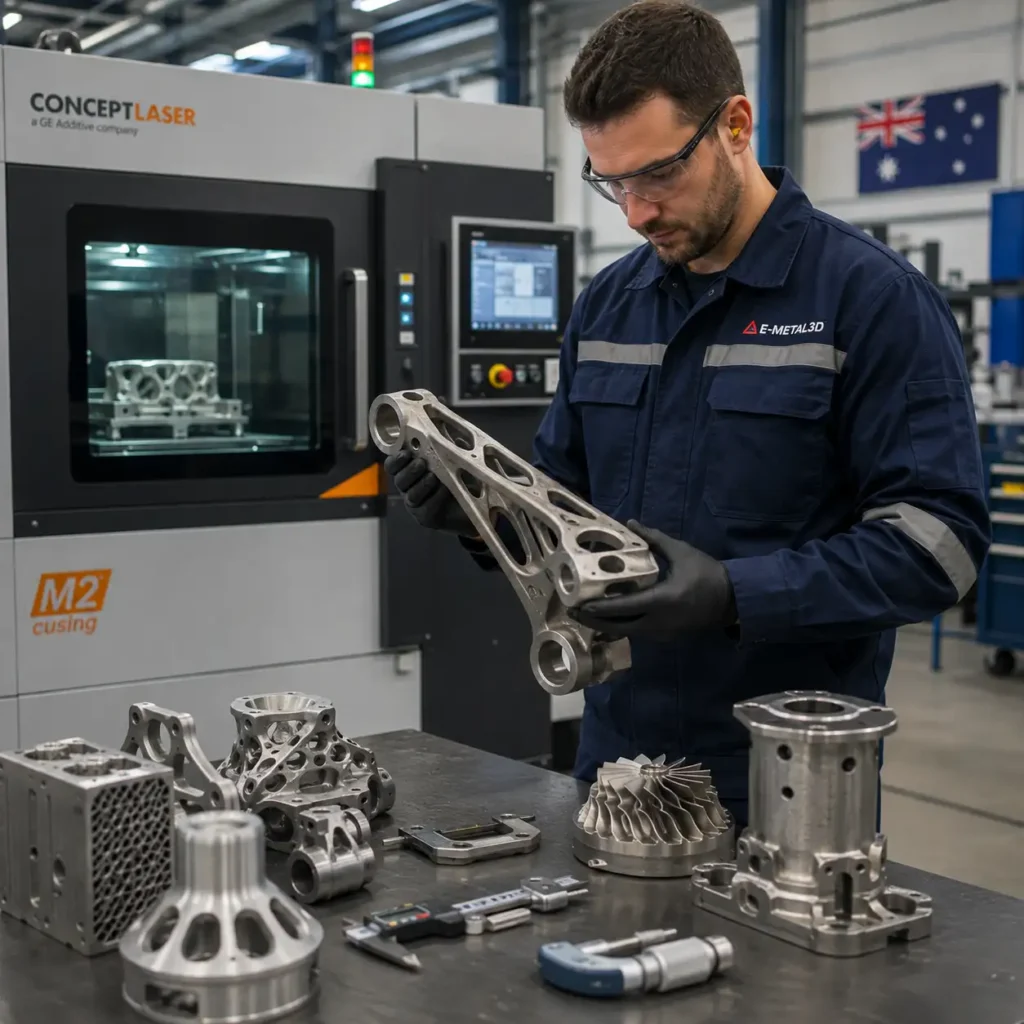
Rather than redesigning parts from scratch, the Digital Twin can be updated, optimised, and prepared for production using Metal 3D Printing.
This workflow is particularly valuable for obsolete or low-volume components where conventional manufacturing would require expensive tooling or lengthy lead times.
Combining Digital Twins with additive manufacturing creates a flexible production strategy that supports faster repairs, reduced inventory, and improved design freedom.
Digital Twins Across Australian Industries
Although Digital Twin technology originated in aerospace, it is now being adopted across many industrial sectors.
Mining
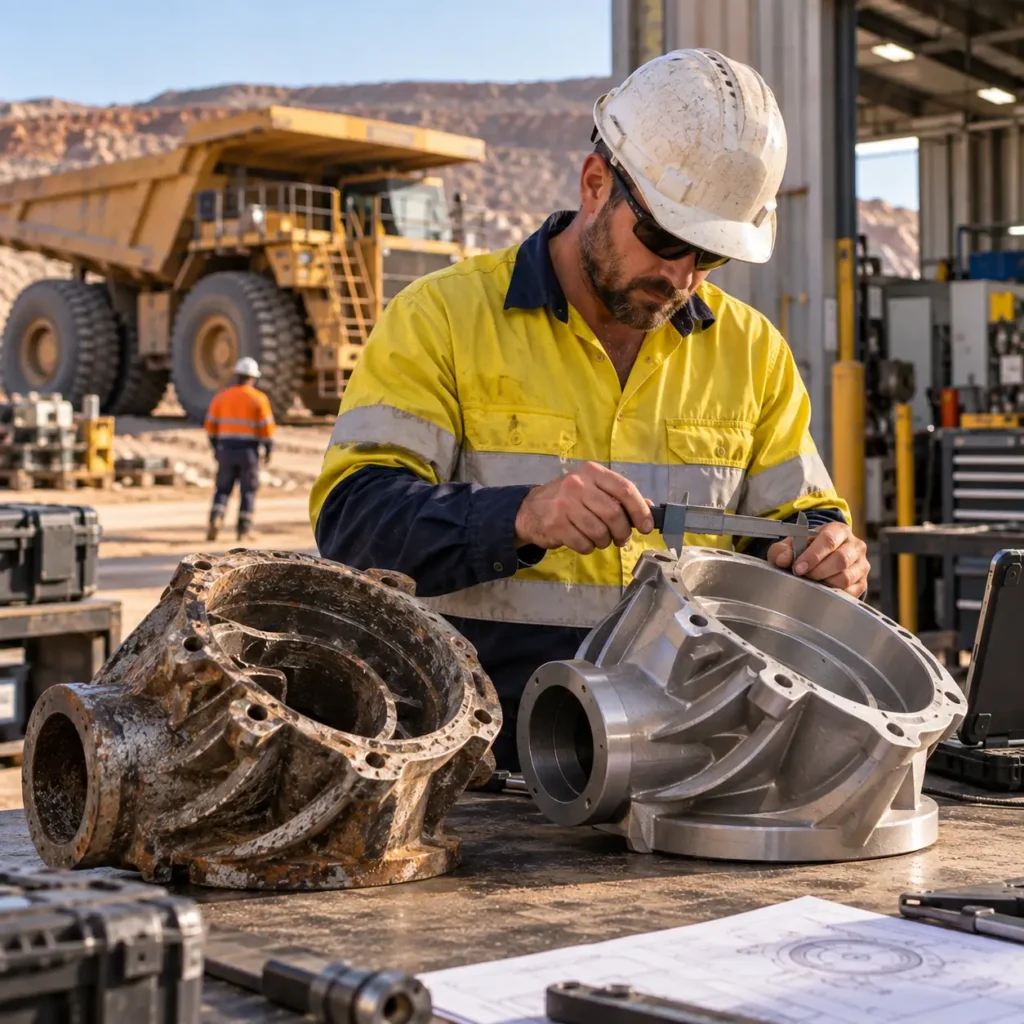
Mining companies use Digital Twins to monitor critical equipment, reproduce obsolete components, improve maintenance planning, and reduce costly shutdowns.
Large assets such as pumps, crushers, conveyors, and processing equipment benefit significantly from accurate digital records.
Manufacturing
Manufacturers rely on Digital Twins to optimise production equipment, improve product development, and maintain digital records of complex machinery.
This supports continuous improvement while reducing engineering time during future modifications.
Oil & Gas
Oil and gas facilities operate in demanding environments where equipment reliability is essential.
Digital Twins help engineers evaluate critical assets, plan maintenance activities, and improve the lifecycle management of high-value equipment operating under extreme conditions.
Why Engineering Expertise Matters
Technology alone does not create a successful Digital Twin.
The quality of the final result depends on engineering knowledge, accurate data capture, and an understanding of how equipment performs in real industrial environments.
At E-Metal3D, Digital Twin projects combine engineering expertise with advanced 3D scanning, reverse engineering, CAD modelling, and Metal 3D Printing capabilities.
Rather than simply producing digital models, our team develops practical engineering solutions that support maintenance, manufacturing, product improvement, and long-term asset management.
Whether the objective is reproducing obsolete components, optimising industrial equipment, or building a complete digital asset library, Digital Twin technology provides a smarter way to manage critical infrastructure.
Frequently Asked Questions
What is a Digital Twin?
A Digital Twin is a digital representation of a physical asset that combines 3D geometry, engineering information, operational data, and maintenance records to support monitoring, analysis, and decision-making.
How is a Digital Twin different from a CAD model?
A CAD model represents only the geometry of a component. A Digital Twin includes additional engineering, operational, and lifecycle data, making it a far more valuable tool for maintenance and asset management.
Which industries benefit from Digital Twin technology?
Mining, manufacturing, oil & gas, aerospace, defence, automotive, and heavy engineering industries all use Digital Twins to improve maintenance, engineering, and operational efficiency.
Can Digital Twins be created for existing equipment?
Yes. Using professional 3D scanning and reverse engineering, existing assets can be digitised even when original drawings or CAD files are unavailable.
What is a Digital Twin and how does it work?
A Digital Twin is a virtual representation of a physical asset that combines 3D models, engineering data, operational information, and maintenance records. It helps businesses monitor equipment performance, simulate different scenarios, and make more informed maintenance and manufacturing decisions.
How is Digital Twin technology used in manufacturing?
In manufacturing, Digital Twin technology is used to optimise production processes, monitor equipment performance, improve predictive maintenance, validate design changes, and reduce downtime. It enables engineers to identify potential issues before they impact production.
Can a Digital Twin be created for existing industrial equipment?
Yes. Existing equipment can be transformed into a Digital Twin using high-precision 3D scanning, reverse engineering, and CAD modelling. This is particularly valuable for legacy machinery where original drawings or digital models are no longer available.