Top 5 Advantages of Powder Bed Fusion in Metal 3D Printing
Introduction
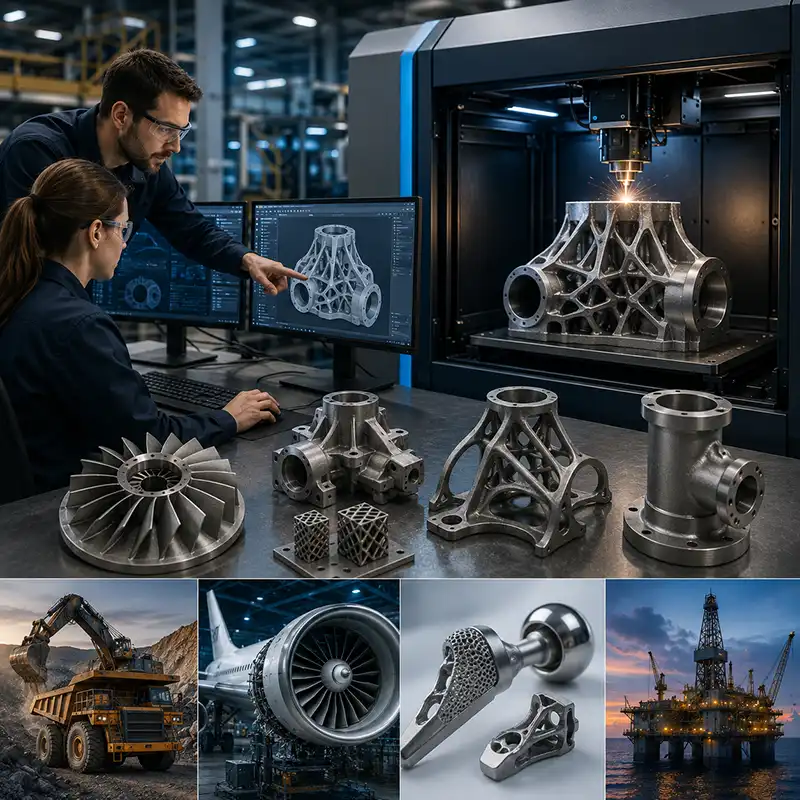
Metal 3D printing has revolutionized modern manufacturing by enabling the creation of complex, high-performance components that were previously impossible or extremely costly to produce. Among the various metal additive manufacturing technologies, Powder Bed Fusion (PBF) stands out as one of the most advanced and reliable methods. Leveraging a precise layer-by-layer process, PBF allows manufacturers to produce intricate designs with exceptional mechanical properties. In this article, we will explore the top five advantages of using Powder Bed Fusion in metal 3D printing and how businesses can benefit from adopting this technology.
1. High Precision and Complex Geometries
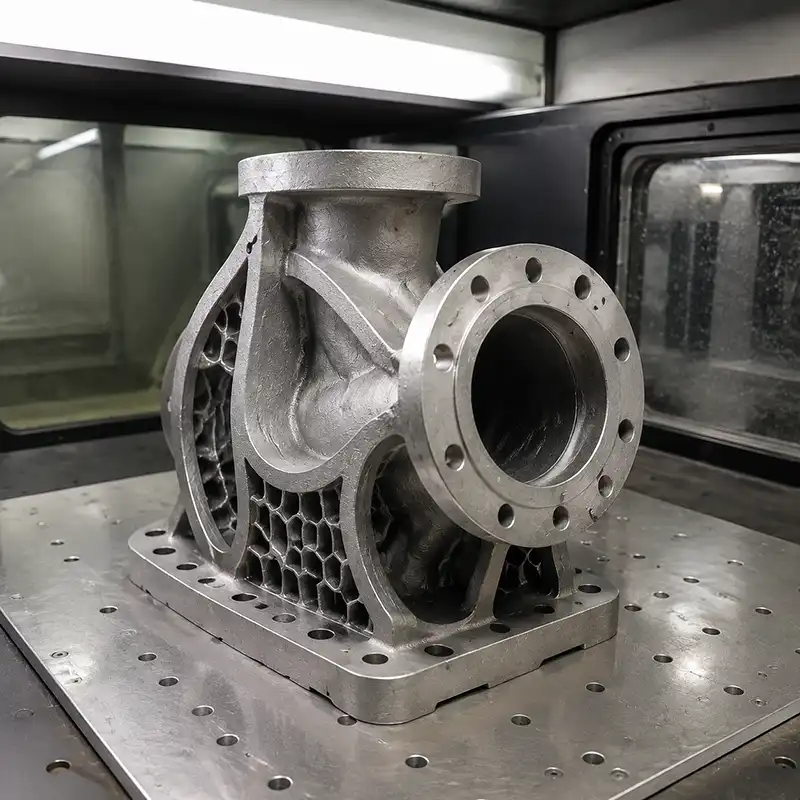
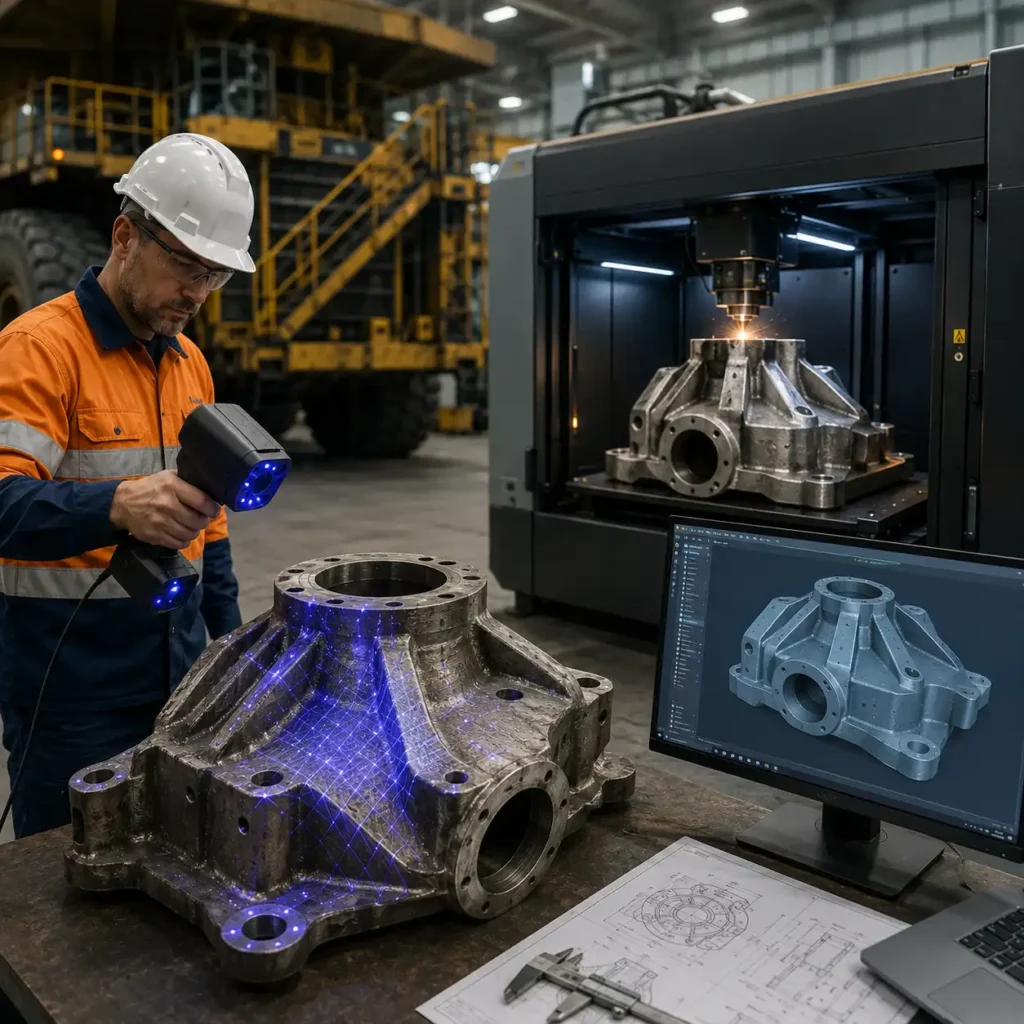
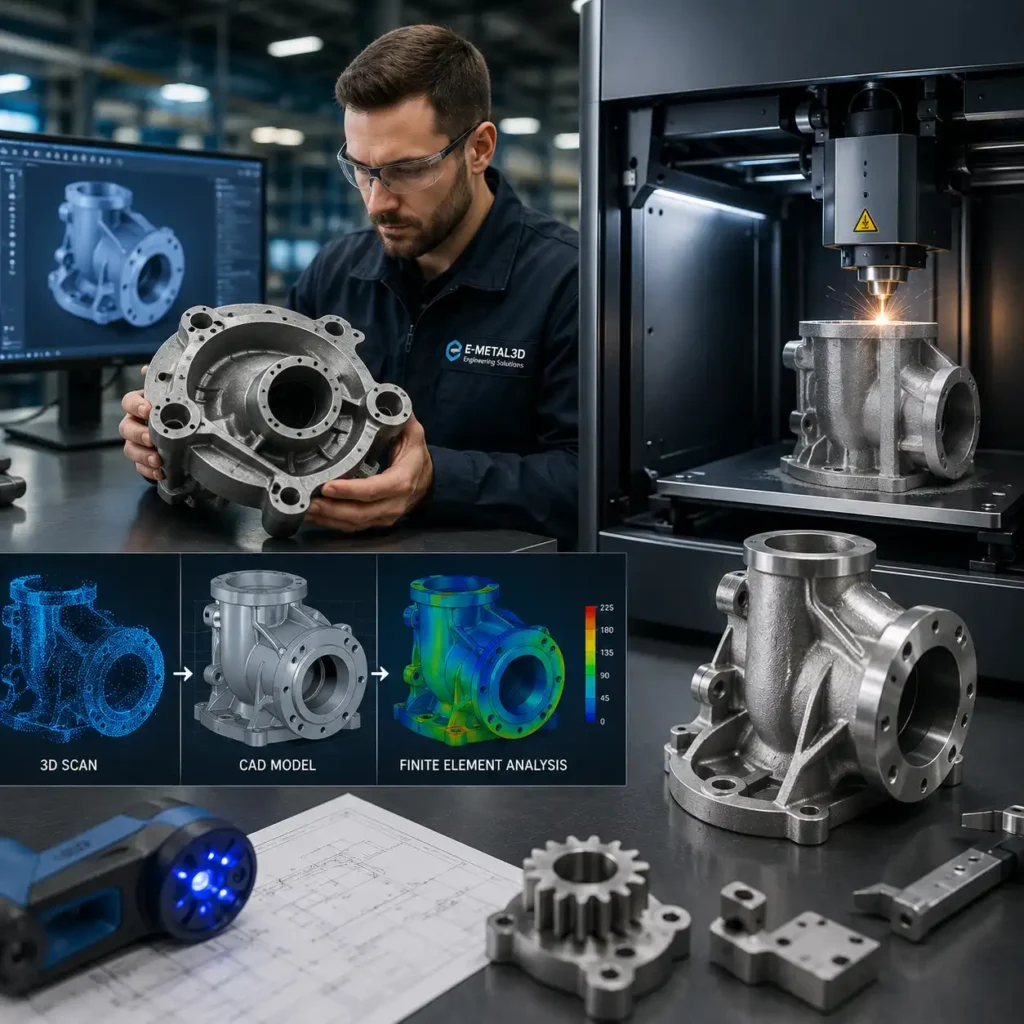
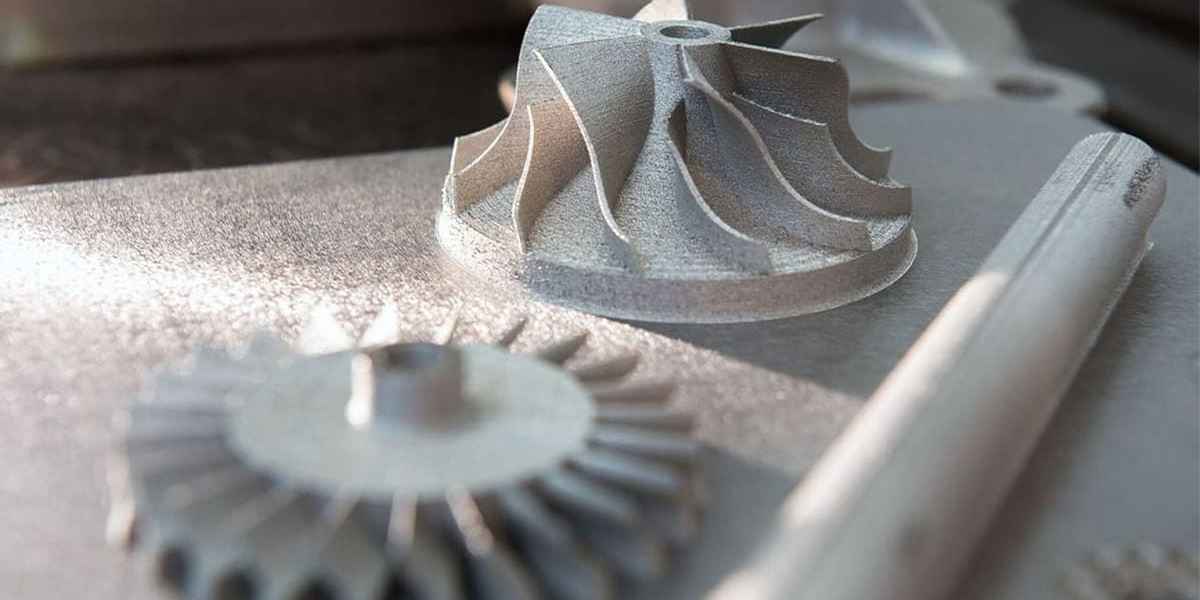
One of the most significant advantages of Powder Bed Fusion is its ability to create highly detailed and complex geometries. Unlike traditional manufacturing methods such as machining or casting, PBF can produce intricate lattice structures, internal channels, and lightweight designs without compromising structural integrity. This makes it ideal for industries like aerospace, medical, and automotive, where precise engineering is crucial.
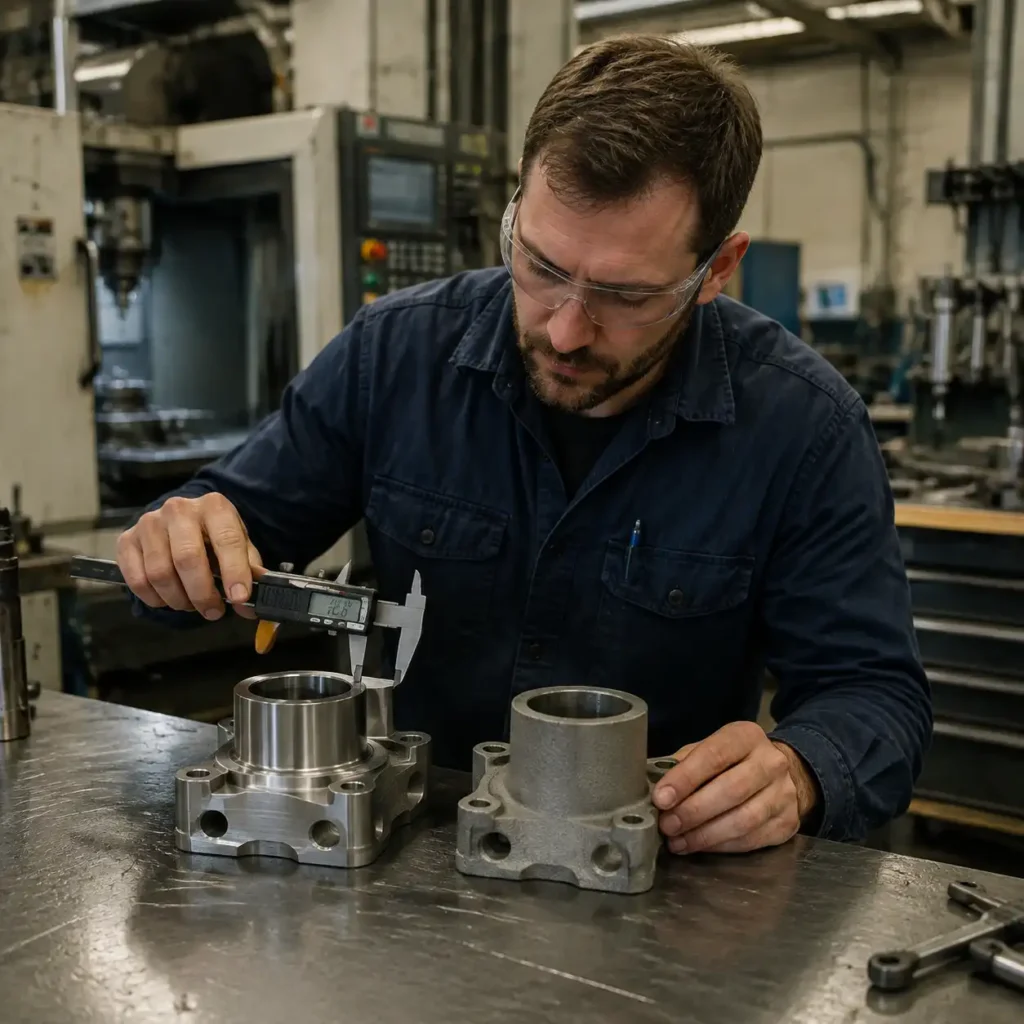
The high-resolution laser or electron beam used in PBF ensures that each layer of metal powder is fused accurately, resulting in components with exceptional dimensional accuracy and surface finish. This precision enables engineers to push the limits of design innovation, reduce material waste, and improve overall product performance.
2. Material Versatility and Mechanical Properties
Another major advantage of metal 3D printing using PBF is the wide range of materials available. Manufacturers can work with stainless steel, titanium, aluminum, cobalt-chrome, and other high-performance alloys to create components that meet strict mechanical and thermal requirements.
Powder Bed Fusion ensures that the final parts exhibit consistent mechanical properties, such as tensile strength, hardness, and fatigue resistance, comparable to or even exceeding traditionally manufactured parts. This reliability is particularly critical in industries like medical implants or aerospace components, where material performance directly impacts safety and durability.
3. Reduced Lead Times and Rapid Prototyping
Traditional manufacturing often involves lengthy processes, including tooling, machining, and assembly, which can extend lead times by weeks or even months. In contrast, PBF allows rapid prototyping and on-demand production, enabling faster design iterations and shorter development cycles.
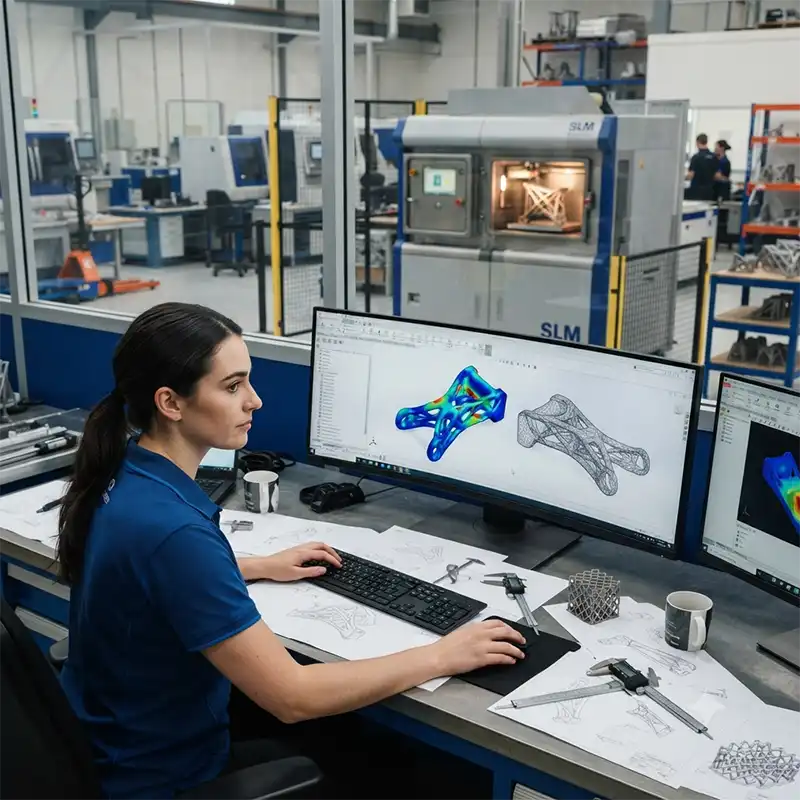
This accelerated timeline is particularly beneficial for businesses aiming to reduce time-to-market, test multiple design options quickly, or respond to urgent production needs. Companies can produce prototypes directly from CAD models, identify potential design flaws early, and move to full-scale production without the delays associated with conventional methods.
4. Cost Efficiency for Low-Volume and Customized Parts
While high-volume manufacturing often favors traditional processes due to economies of scale, Powder Bed Fusion excels in producing low-volume or customized parts cost-effectively. Since PBF does not require molds or special tooling, setup costs are significantly reduced, making it ideal for bespoke components or limited production runs.
Additionally, the additive nature of PBF minimizes material waste, as only the necessary powder is fused to create the part. This not only reduces material costs but also aligns with sustainable manufacturing practices, supporting companies’ environmental goals.
5. Design Flexibility and Lightweight Structures
PBF enables unprecedented design flexibility, allowing engineers to optimize components for weight, strength, and performance. Lightweight lattice structures, hollow parts, and topology-optimized designs can be produced without compromising functionality.
This advantage is particularly valuable in aerospace and automotive applications, where reducing weight directly improves fuel efficiency and performance. Designers can implement advanced geometries that would be impossible or prohibitively expensive with traditional subtractive methods.
Conclusion
Powder Bed Fusion in metal 3D printing offers numerous advantages, including high precision, material versatility, rapid prototyping, cost efficiency, and exceptional design flexibility. By adopting PBF technology, businesses can produce high-performance metal components tailored to specific industry needs, reduce development cycles, and unlock innovative design possibilities.
As a trusted provider of metal 3D printing solutions, E-Metal3D leverages over 20 years of experience in additive manufacturing to help clients maximize the benefits of Powder Bed Fusion and stay ahead in a competitive market.