How Advanced Engineering Software Improves Metal Component Design
Introduction
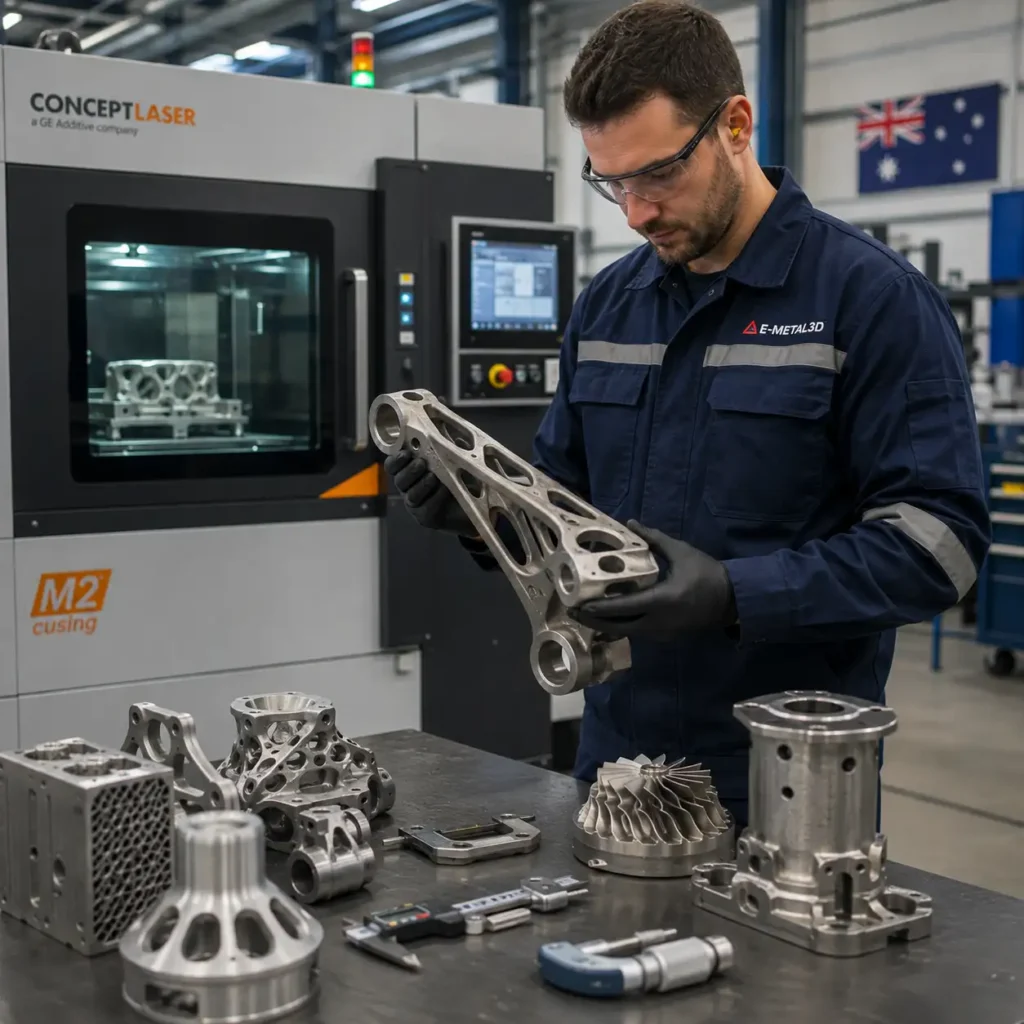
The rise of metal 3D printing and additive manufacturing (AM) has transformed how engineers approach the design and production of metal components. While advanced printing technologies like Powder Bed Fusion allow for complex geometries, it is engineering software that enables designers to fully leverage these capabilities. From simulation and topology optimization to CAD and workflow automation, advanced software tools help businesses create high-performance, efficient, and cost-effective components.
1. Streamlined Design Process with CAD Software
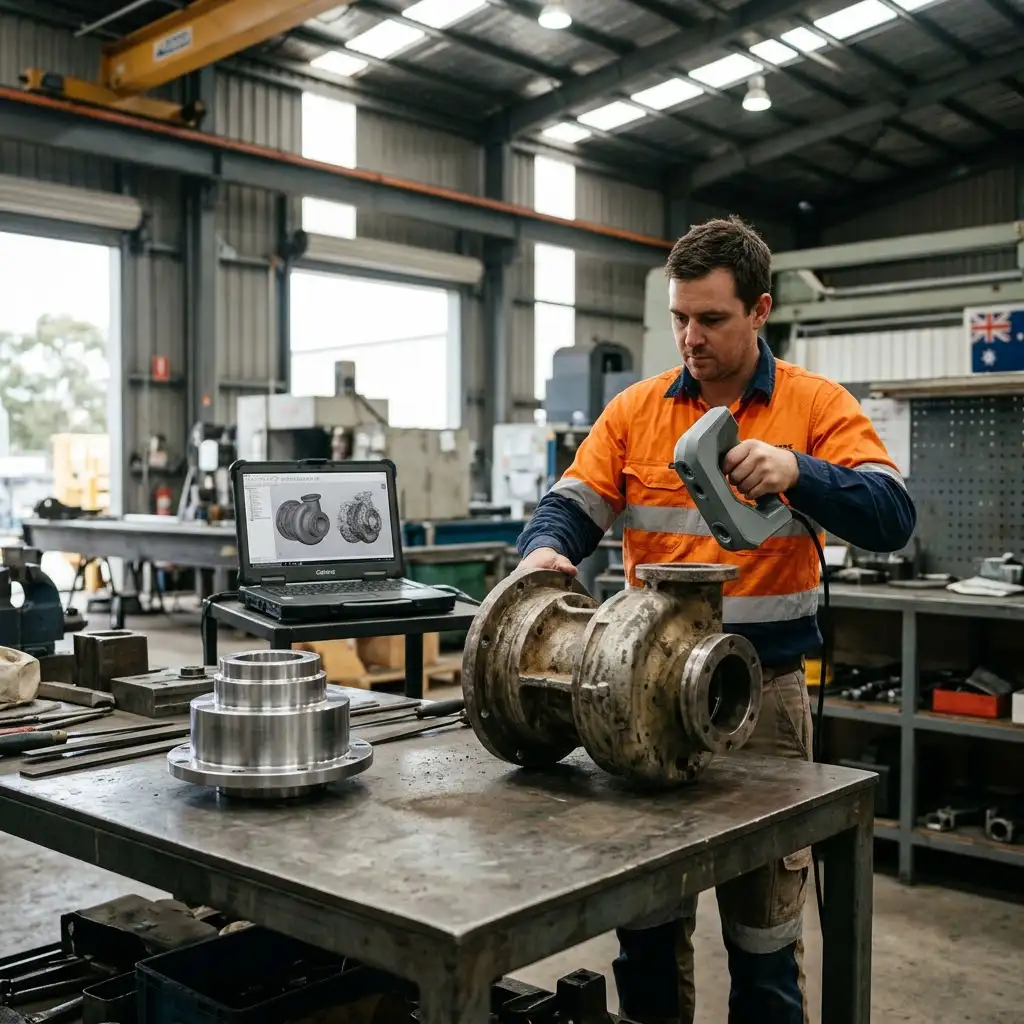
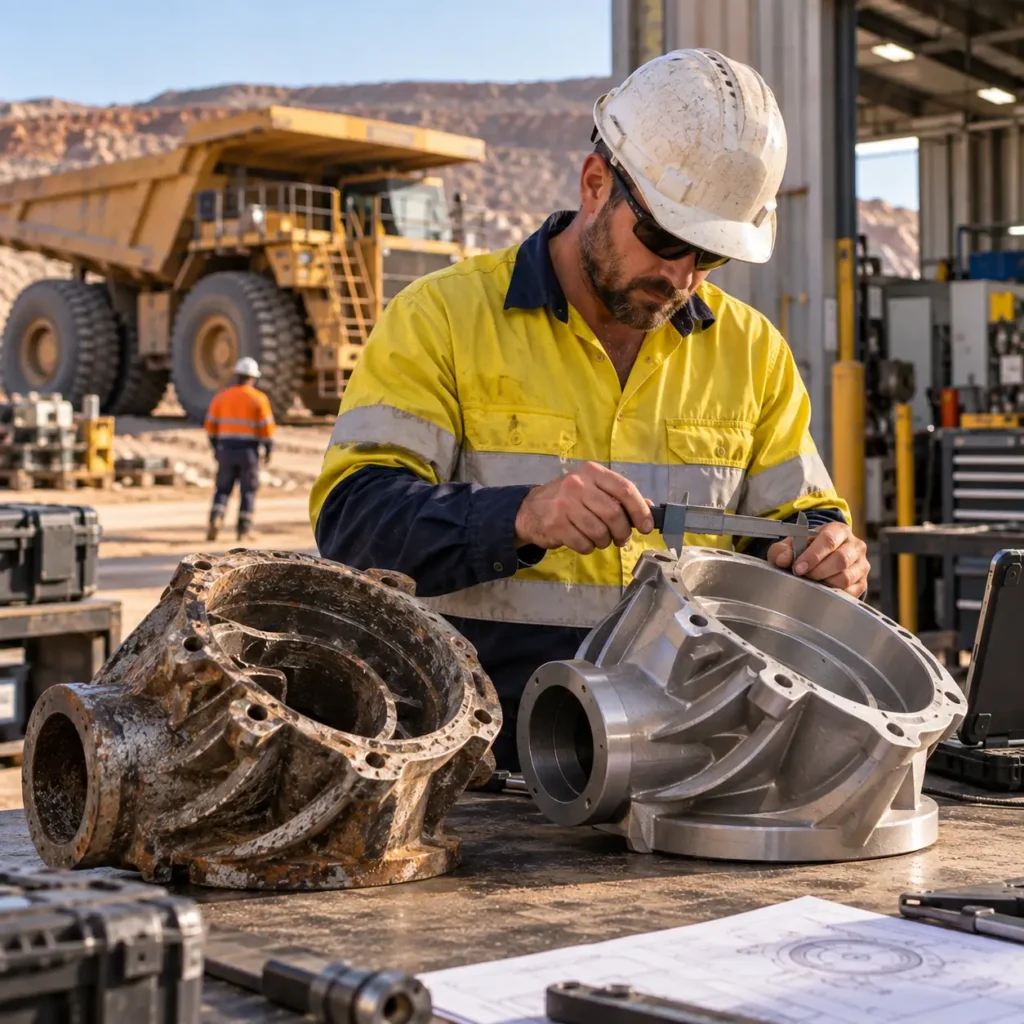
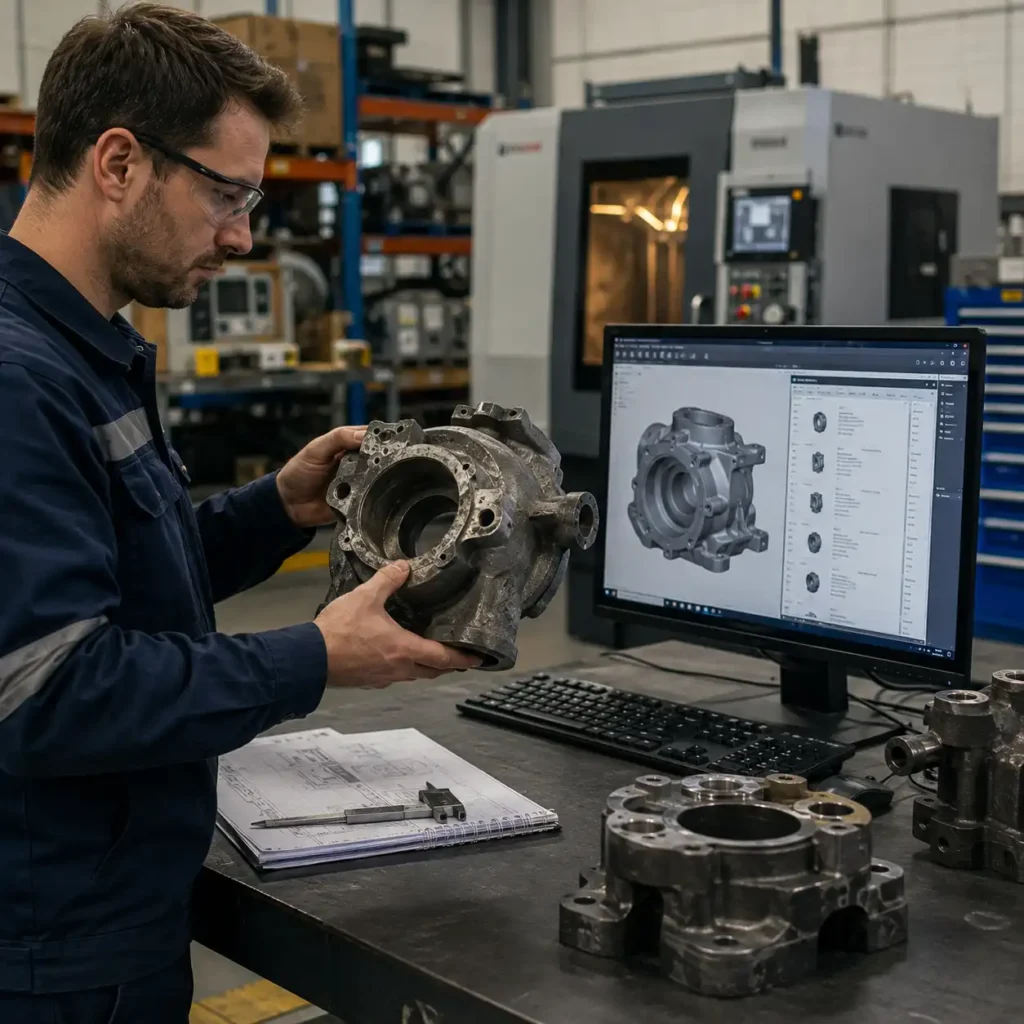
Computer-Aided Design (CAD) software forms the backbone of modern metal component design. Advanced CAD systems allow engineers to model intricate parts with high precision, ensuring that every dimension and feature is accurate before production begins.
With parametric modeling, designers can easily adjust dimensions, test variations, and create multiple iterations without starting from scratch. This capability reduces design time, minimizes errors, and facilitates communication between design teams and manufacturing units.
2. Topology Optimization for Lightweight and Strong Parts
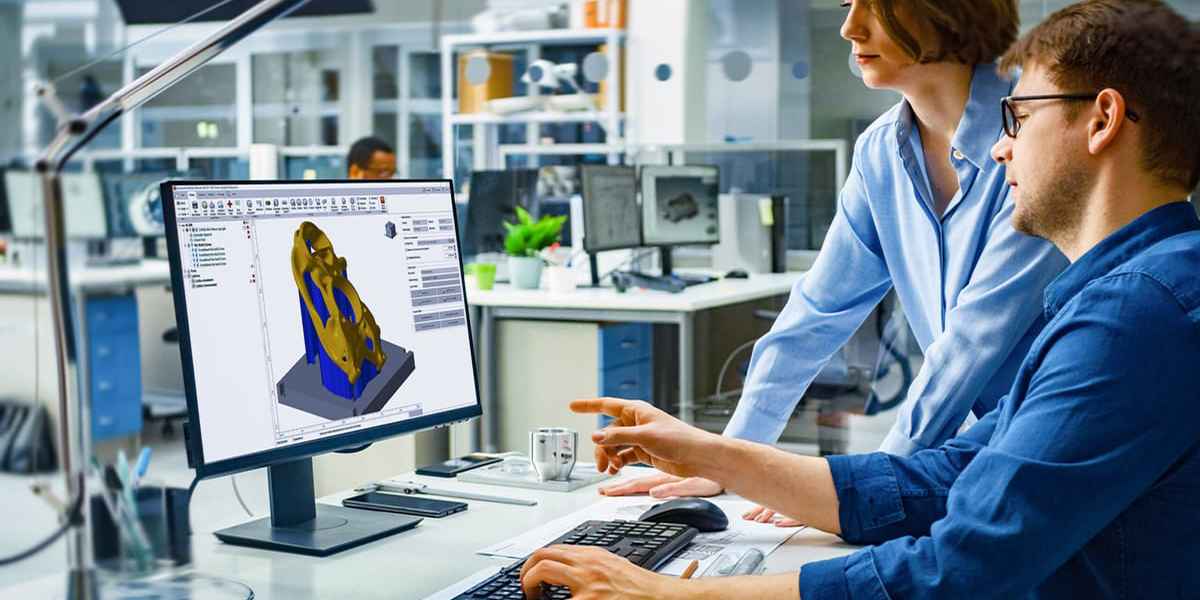
One of the most powerful tools in engineering software is topology optimization. By analyzing load paths, stress distribution, and material properties, software can suggest the most efficient shape for a component.
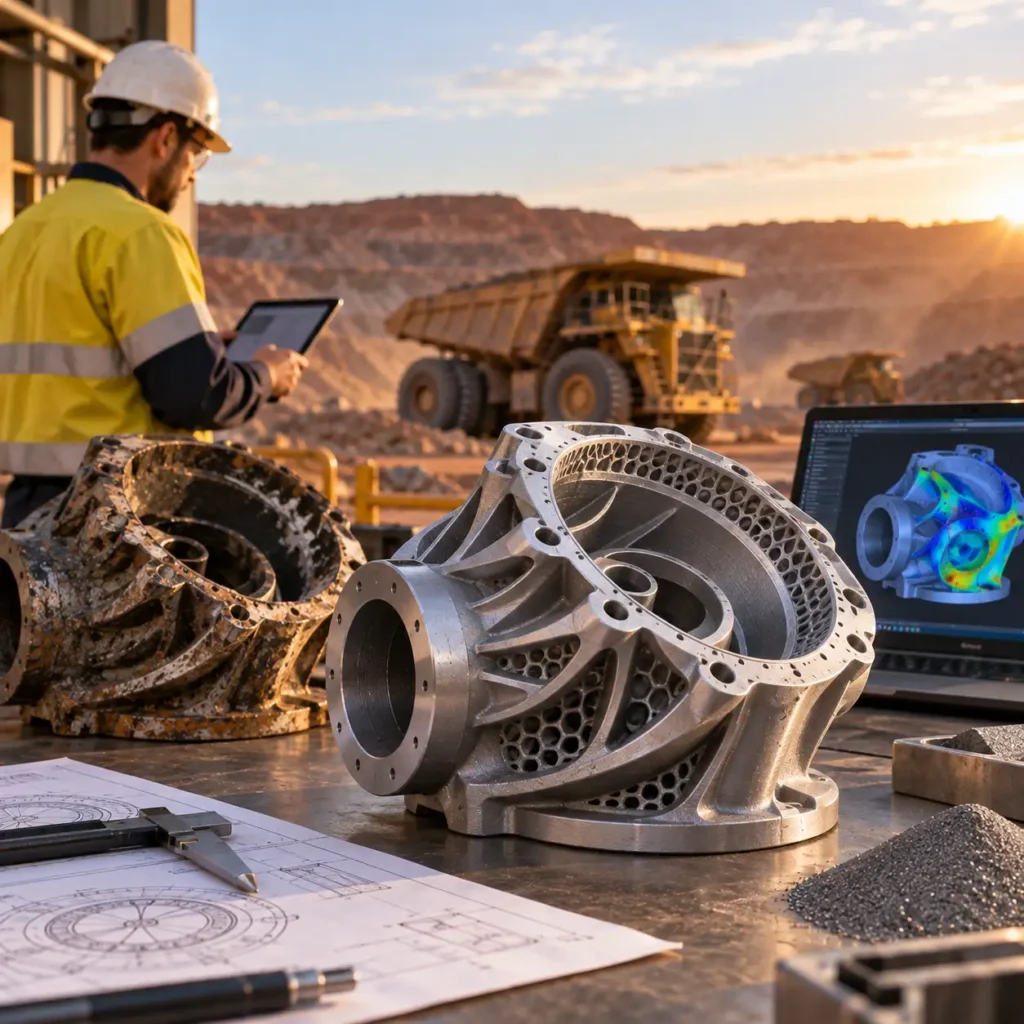
In metal 3D printing, topology-optimized designs allow for lightweight structures that maintain strength and durability. This is particularly beneficial in aerospace, automotive, and medical industries, where reducing weight while maintaining performance is critical.
3. Simulation and Performance Analysis
Advanced software enables engineers to simulate mechanical, thermal, and structural performance of metal parts before printing. Finite Element Analysis (FEA) and Computational Fluid Dynamics (CFD) tools predict how components will behave under real-world conditions, identifying weak points or potential failures.
This predictive capability reduces trial-and-error, saves costs, and ensures that the final printed part meets industry standards and safety requirements.
4. Material and Process Integration
Modern engineering software often includes libraries of material properties and process parameters, which are crucial for Powder Bed Fusion and other metal AM methods. Designers can select the appropriate alloy, adjust printing parameters, and predict outcomes with higher accuracy.
This integration between software and printing technology ensures that the mechanical properties, surface finish, and dimensional accuracy of metal components meet design expectations.
5. Enhancing Collaboration and Workflow Efficiency
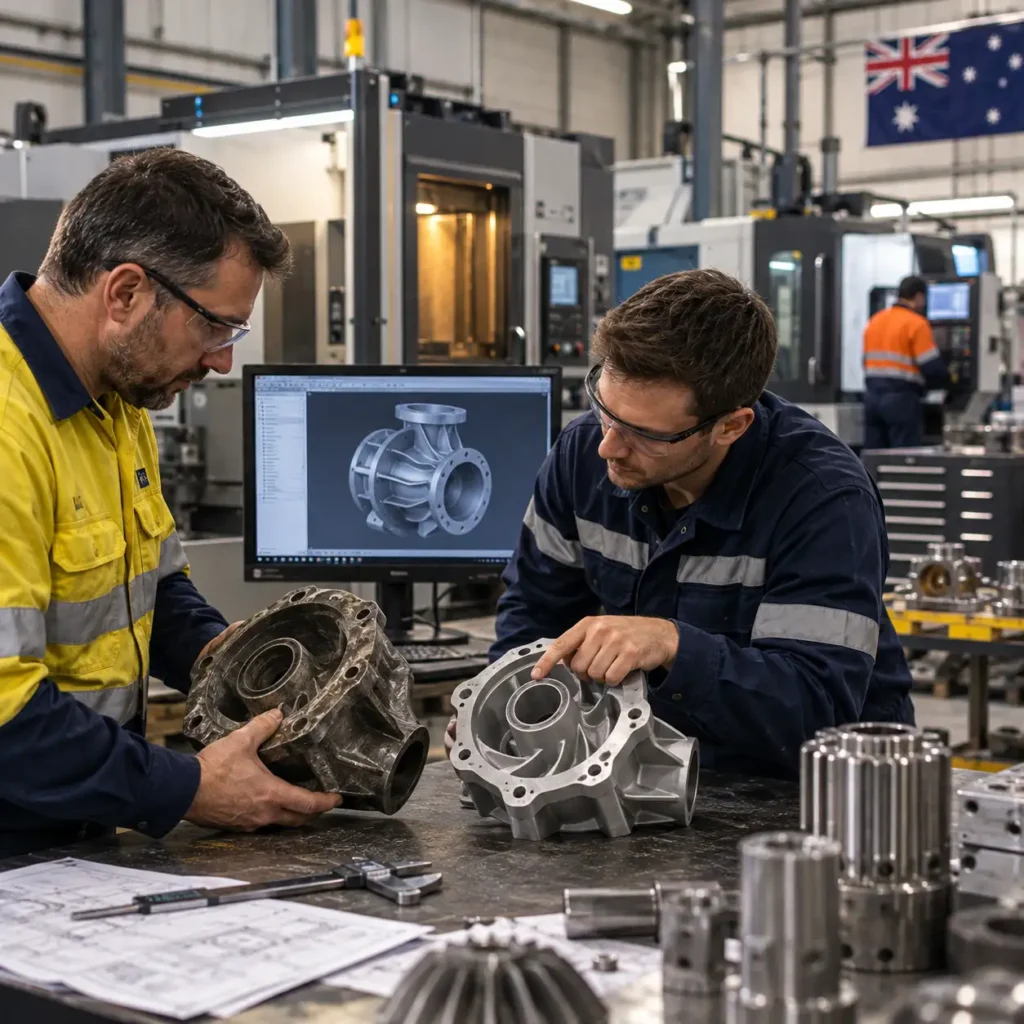
Advanced engineering software also improves collaboration among design, engineering, and production teams. Cloud-based platforms allow real-time sharing of 3D models, simulations, and project updates.
By streamlining workflow, reducing communication gaps, and enabling version control, software ensures that projects are delivered faster and with fewer errors.
6. Supporting Customization and Innovation
Additive manufacturing enables highly customized parts for specialized applications, and engineering software makes this feasible at scale. Engineers can explore innovative geometries, integrate lattice structures, and design patient-specific medical implants or bespoke industrial components.
Without advanced software, these designs would be impossible to model, simulate, and manufacture reliably.
Conclusion
Advanced engineering software is a critical enabler of metal component design in the era of 3D printing. By providing tools for precise modeling, topology optimization, simulation, and process integration, software empowers engineers to create parts that are lighter, stronger, and more efficient.
For businesses investing in metal additive manufacturing, leveraging advanced engineering software ensures high-quality outcomes, faster design cycles, and innovative product development. At E-Metal3D, our expertise in both metal 3D printing and engineering solutions helps clients maximize the benefits of modern design tools and achieve superior performance in their metal components.