Trends in Metal Additive Manufacturing Across Mining and Oil & Gas
Introduction
The mining and oil & gas industries are increasingly adopting metal additive manufacturing (AM) to improve efficiency, reduce downtime, and enable complex, high-performance component production. Metal 3D printing, especially Powder Bed Fusion (PBF), allows companies to manufacture parts with shorter lead times, superior material performance, and reduced costs. In this article, we explore the latest trends and applications of metal AM in these demanding industries.
1. On-Demand Spare Parts Production
One of the most transformative trends in mining and oil & gas is the ability to produce spare parts on-demand. Remote mining sites and offshore oil rigs often face long delays waiting for replacement parts.
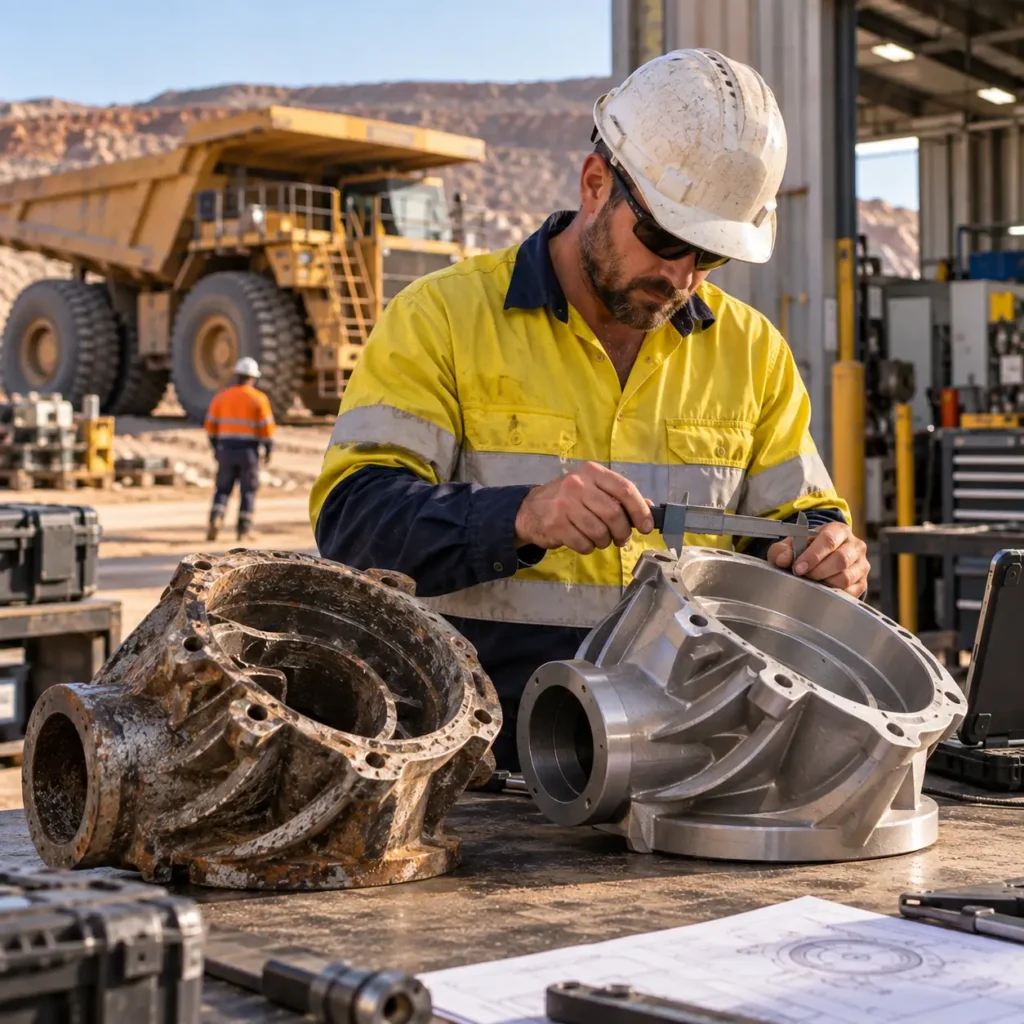
Metal 3D printing enables companies to produce critical components locally or on-site, reducing downtime and operational losses. This approach increases reliability, decreases inventory costs, and allows for faster maintenance cycles.
2. Customized and Complex Components
Mining and oil & gas equipment often require parts with complex geometries or tailored properties. Traditional machining or casting may be costly or impossible for such components.
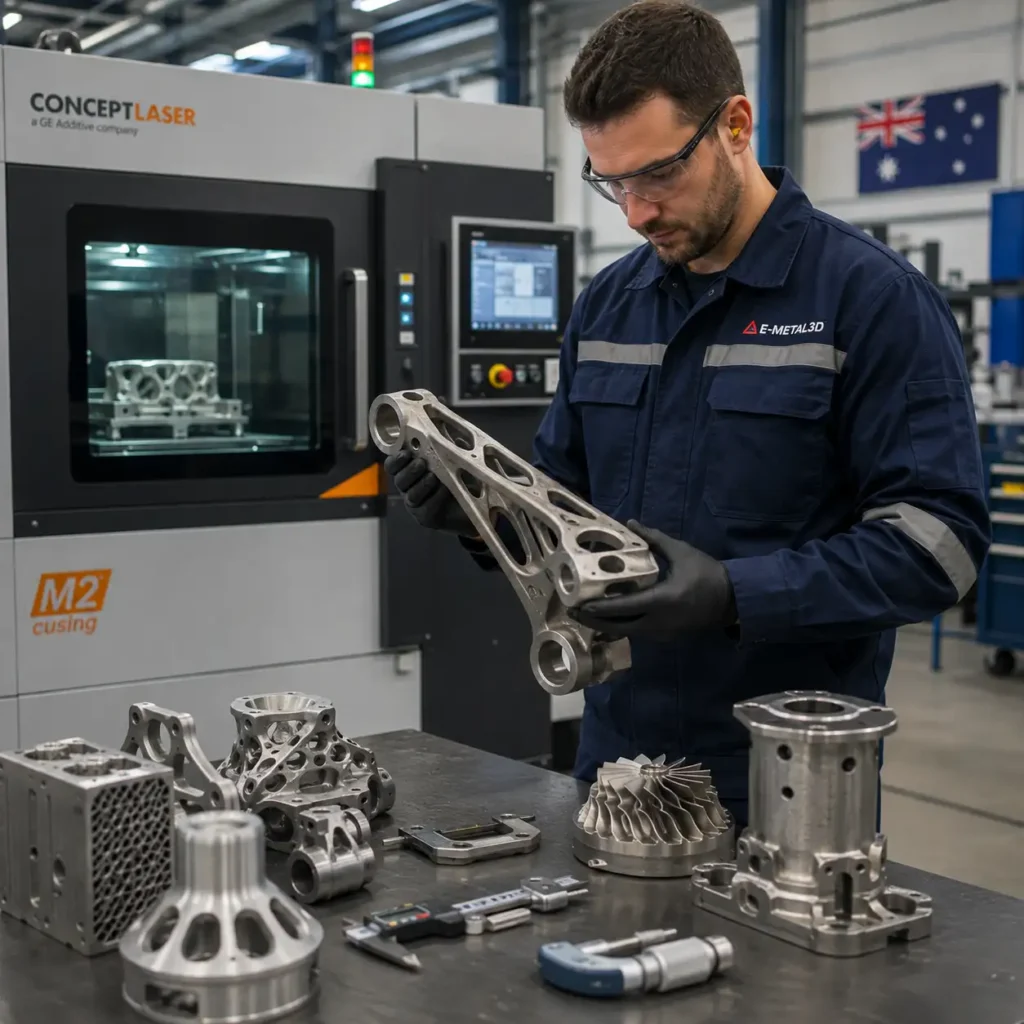
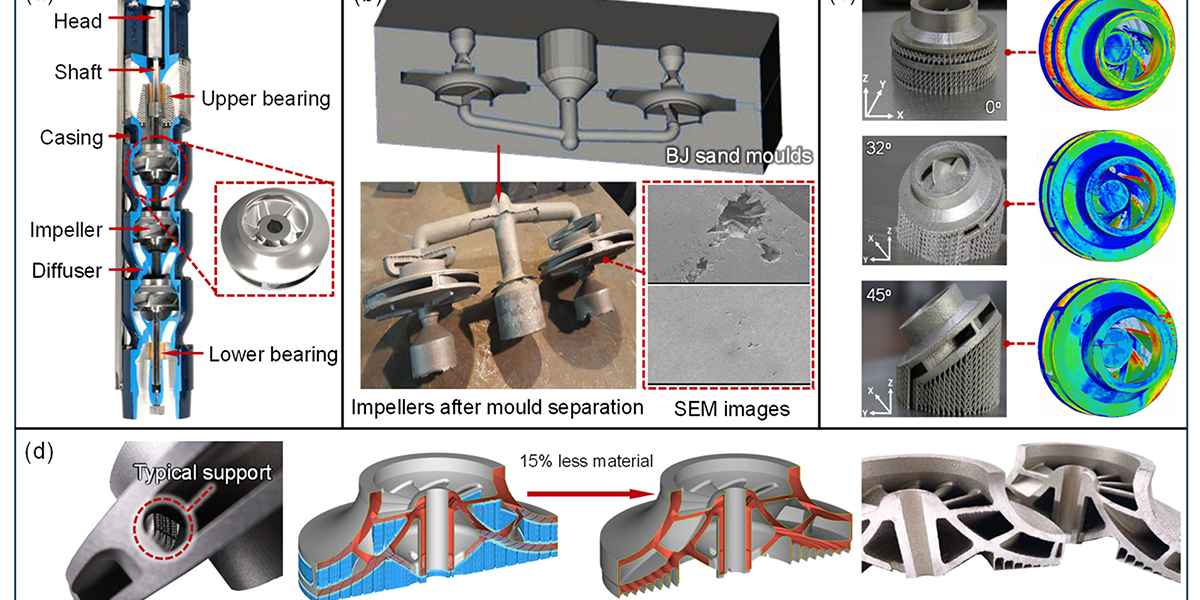
Metal 3D printing, using technologies like PBF, allows for the creation of customized valves, connectors, impellers, and tooling components. This flexibility ensures optimal performance under high pressure, extreme temperatures, and abrasive conditions.
3. Lightweight and High-Performance Designs
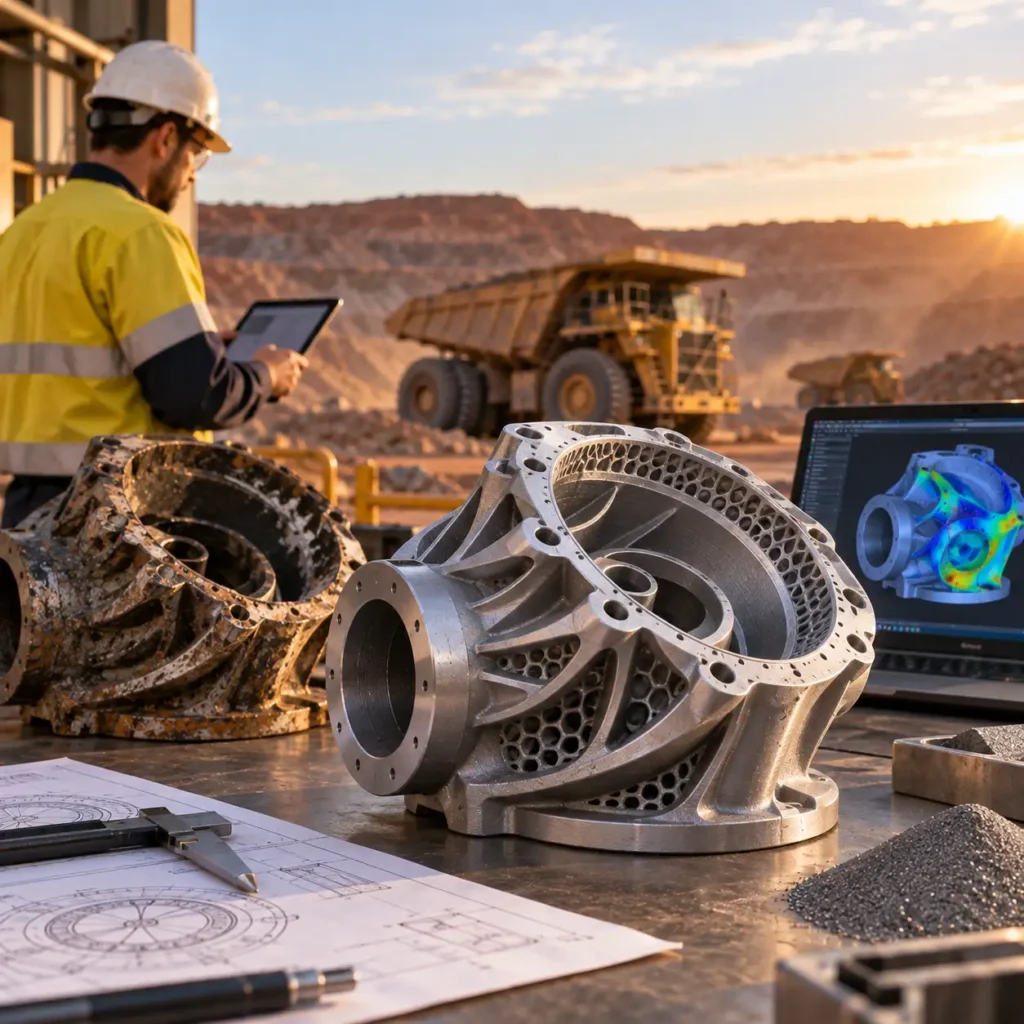
Reducing weight while maintaining durability is a growing trend in industrial equipment design. Topology optimization and lattice structures, enabled by metal additive manufacturing, help achieve stronger, lighter components.
In mining and oil & gas applications, lightweight parts contribute to reduced energy consumption, easier handling, and improved operational efficiency without compromising strength or safety.
4. Integration of Digital Manufacturing Workflows
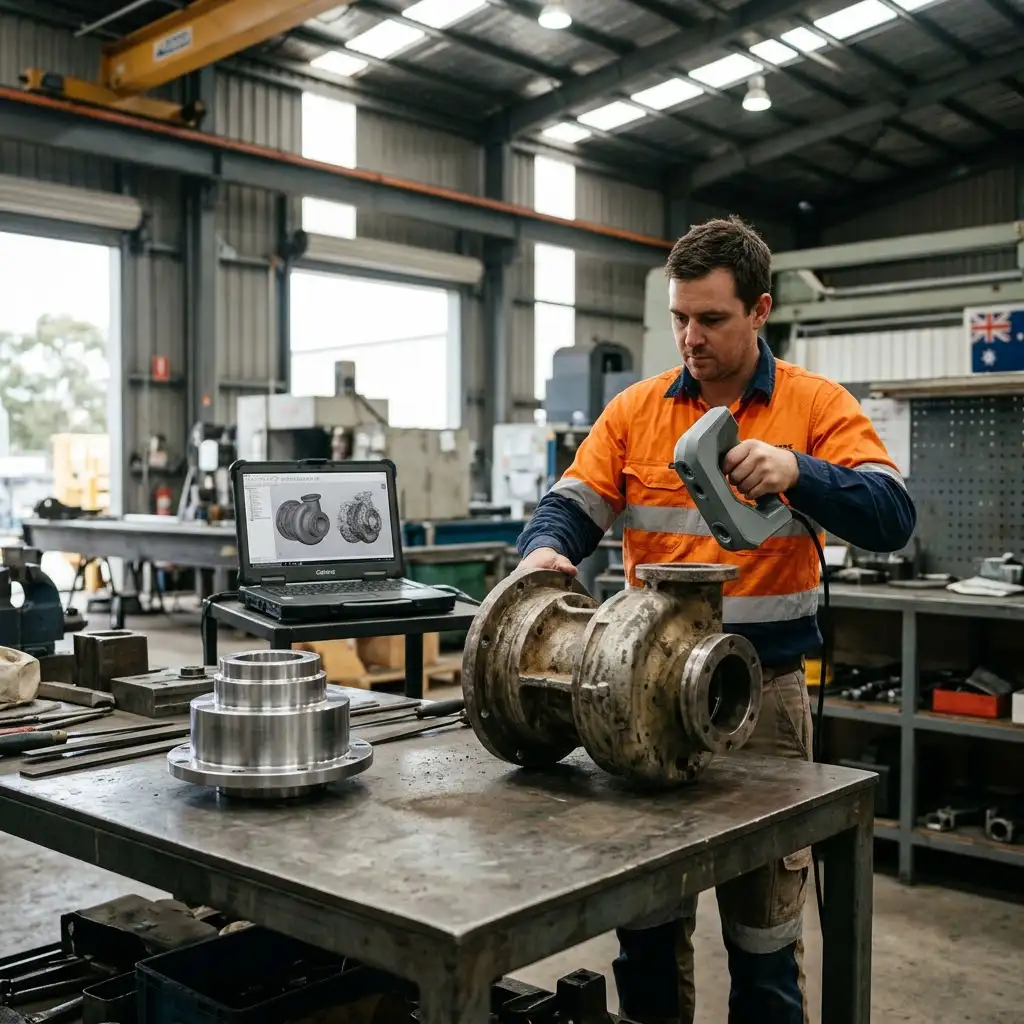
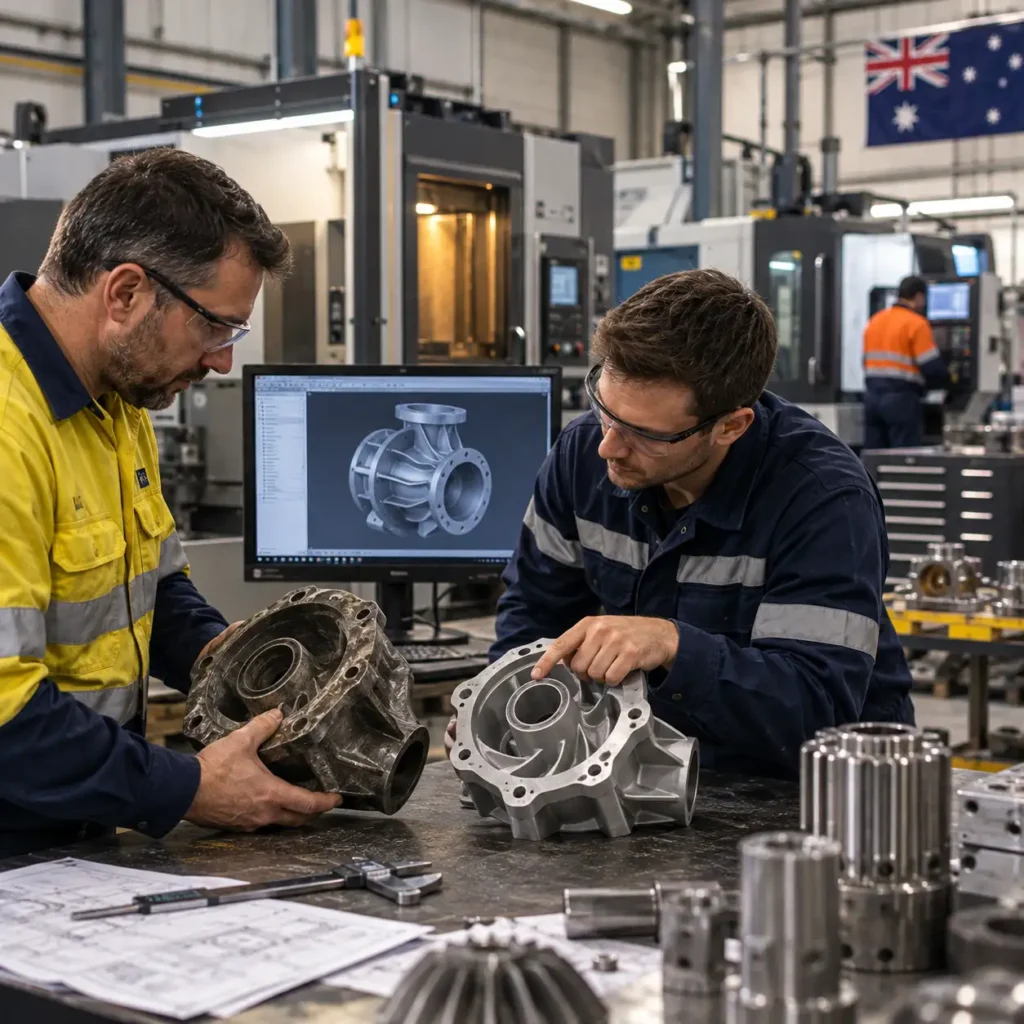
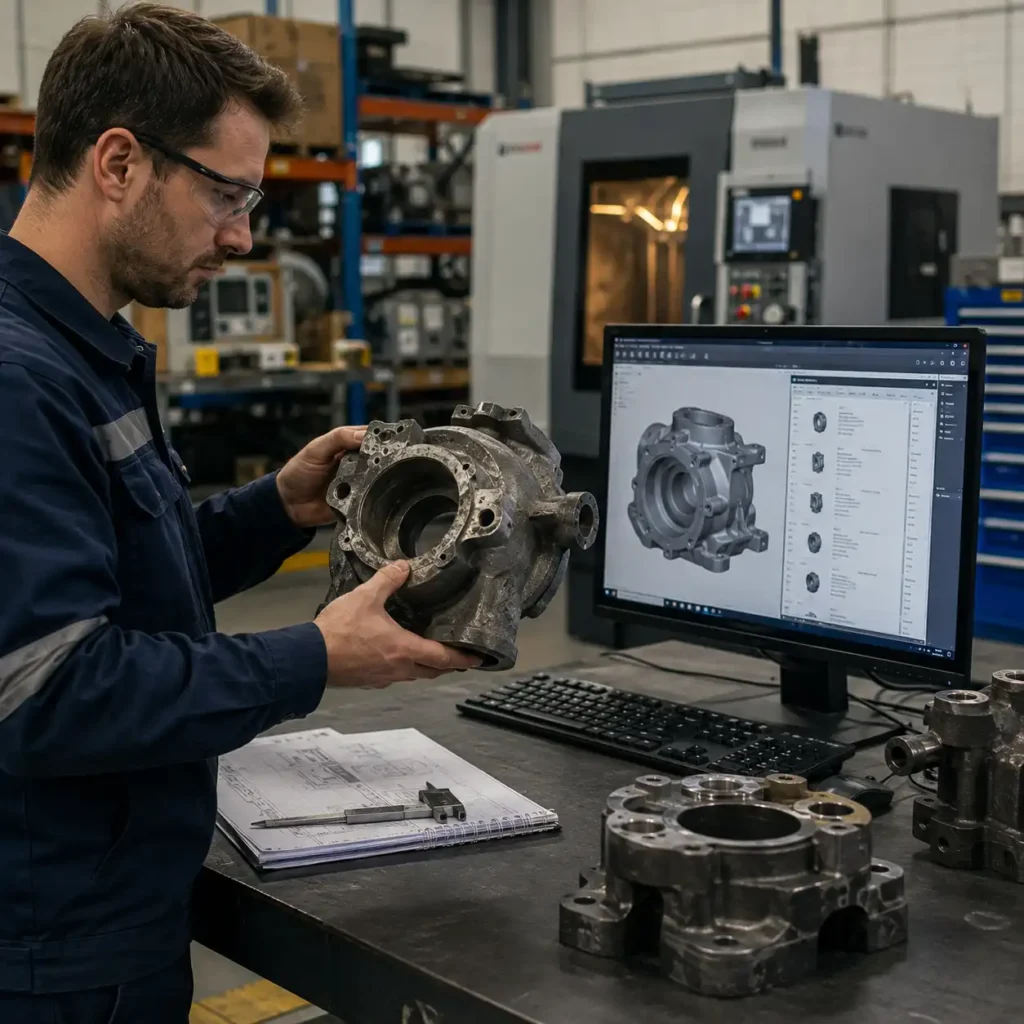
The adoption of digital workflows is becoming standard in these industries. Advanced engineering software integrated with metal 3D printing systems allows engineers to simulate component performance, optimize designs, and monitor production remotely.
This trend ensures higher quality, less trial-and-error, and improved overall manufacturing efficiency, especially for critical and high-stress components.
5. Focus on Material Quality and Certification
High-performance components in mining and oil & gas require certified metal powders and rigorous quality control. Companies are increasingly prioritizing traceable and reliable metal powders that meet ASTM or ISO standards.
Ensuring proper material selection enhances fatigue resistance, corrosion protection, and mechanical reliability, which are essential for equipment operating under harsh conditions.
6. Sustainability and Cost Efficiency
Metal additive manufacturing reduces material waste compared to traditional subtractive processes. The ability to produce parts with only the required material aligns with sustainability initiatives, helping companies meet environmental targets.
Additionally, reducing tooling and inventory costs contributes to overall cost efficiency, making AM a strategic investment for mining and oil & gas businesses.
Conclusion
Metal additive manufacturing is rapidly transforming the mining and oil & gas sectors. From on-demand spare parts and complex component production to lightweight designs and sustainable practices, metal 3D printing offers tangible benefits that enhance operational efficiency and competitiveness.
At E-Metal3D, we support mining and oil & gas companies with high-quality metal powders, advanced PBF systems, and engineering expertise. Our solutions enable businesses to embrace the latest trends in metal AM and achieve superior performance, reliability, and cost savings.