Introduction: Why Speed Matters in Modern Product Development
In today’s highly competitive industrial landscape, companies face constant pressure to bring new products to market faster than ever before. Traditional manufacturing methods—while reliable—are often limited by long lead times, costly tooling, and restricted design flexibility. These challenges slow down innovation and increase development costs, especially in industries such as aerospace, automotive, medical, mining and defence where precision and performance are critical.
This is where 3D printing (Additive Manufacturing) has revolutionised the engineering workflow. By enabling rapid prototyping, design validation, functional testing, and low-volume manufacturing without the constraints of traditional tooling, 3D printing significantly accelerates product development cycles. Engineering teams can now iterate quickly, evaluate multiple design variations, and validate performance before committing to full-scale production.
This article explores how engineering-focused 3D printing solutions are transforming product development across industries and why companies that adopt these technologies gain a powerful competitive advantage.
1. The Role of Additive Manufacturing in Modern Engineering Workflows
3D printing is no longer a novelty for hobbyists or small-scale prototyping. It has become an essential engineering tool, offering capabilities that traditional processes cannot match. Its integration into engineering workflows enhances speed, precision, and design freedom.
1.1. Rapid Iteration and Early Design Validation
Traditional prototyping may take weeks due to machining, tooling, and supplier delays. With 3D printing, engineers can produce multiple design iterations in a matter of hours.
This allows teams to:
-
Validate functionality early
-
Identify design flaws
-
Reduce the number of prototype cycles
-
Accelerate decision-making
Design validation—once a bottleneck—becomes a fast, flexible stage that supports innovation.
1.2. Eliminating Tooling Constraints
Tooling for injection moulding, casting or CNC fixtures can cost tens of thousands of dollars and require long fabrication times. 3D printing removes the need for tooling, enabling engineers to produce complex geometries instantly.
Engineers benefit from:
-
Zero upfront tooling cost
-
Ability to modify designs at no extra cost
-
Freedom to produce complex internal channels, lattices and lightweight structures
This flexibility enables higher levels of optimisation during the design stage.
2. Accelerating Product Development Through Rapid Prototyping
Rapid prototyping remains the most powerful and widely adopted use of 3D printing in engineering.
2.1. Concept Models for Initial Evaluation
3D printing enables engineers to transform CAD ideas into tangible models. These physical models help verify:
-
Ergonomics
-
Form and fit
-
Assembly clearances
-
Basic function
This early insight prevents costly revisions later in the development cycle.
2.2. Functional Prototypes with Real Material Properties
Advanced 3D printing technologies such as SLM, MJF, FDM and SLA allow the production of functional prototypes using materials similar to final production parts.
These prototypes can undergo:
-
Mechanical load testing
-
Thermal evaluation
-
Fatigue analysis
-
Impact and wear testing
This ensures engineering teams can make informed decisions about performance and durability.
3. Engineering-Driven Design Optimisation with 3D Printing
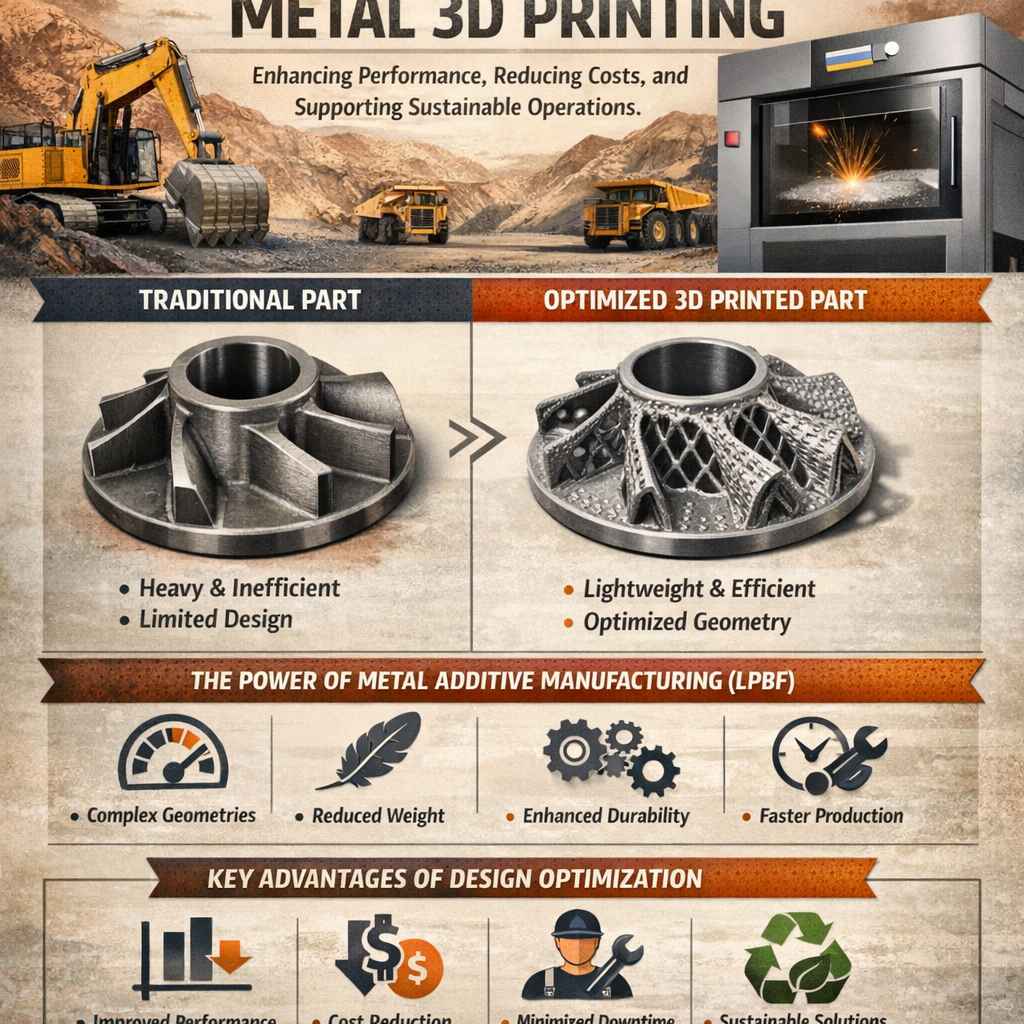
Unlike traditional subtractive manufacturing, additive manufacturing builds parts layer by layer. This enables engineers to create optimised, lightweight and high-strength structures impossible to machine.
3.1. Topology Optimisation
With AI-based optimisation tools, engineers can reduce material use by up to 60% without compromising strength. Common applications include:
-
Aerospace brackets
-
Automotive suspension components
-
Medical implants
-
Mining equipment wear parts
3.2. Lattice Structures for Weight Reduction
3D printing allows internal lattices that reduce weight while increasing stiffness. These structures significantly improve energy absorption, thermal management and mechanical efficiency.
3.3. Consolidation of Multiple Components
Additive manufacturing enables the integration of multiple parts into a single, optimised component. This reduces:
-
Assembly time
-
Manufacturing complexity
-
Failure points
Industries such as aerospace and medical benefit heavily from this capability.
4. Reducing Time-to-Market with Low-Volume and Bridge Manufacturing
Many companies suffer delays between prototype approval and mass production due to tooling and supplier constraints. 3D printing bridges this gap.
4.1. Low-Volume Production with No Minimum Order
3D printing allows manufacturing of:
-
End-use parts
-
Custom components
-
High-performance metal parts
-
Replacement or spare components
All without MOQs or tooling delays.
4.2. Bridge Manufacturing During Tooling Lead Times
This is especially valuable for startups and R&D departments. Companies can enter the market faster while traditional tooling is still in progress.
5. Enhancing Collaboration Across Engineering Teams
One of the hidden strengths of 3D printing is improved communication across departments.
5.1. Digital File Sharing and Distributed Manufacturing
Teams across different locations can share CAD files instantly and print prototypes locally. This shortens evaluations and speeds up design approvals.
5.2. Better Communication With Stakeholders
Physical prototypes help:
-
Project managers visualise concepts
-
Customers provide clearer feedback
-
Suppliers understand geometric requirements
This reduces misunderstandings and fosters alignment.
6. Case Studies: Real-World Success With Rapid Engineering Solutions
6.1. Aerospace: Faster Certification Cycles
Aerospace companies use 3D printing to produce lightweight brackets, tooling and test components, significantly reducing certification time.
6.2. Medical Devices: Custom Patient-Specific Components
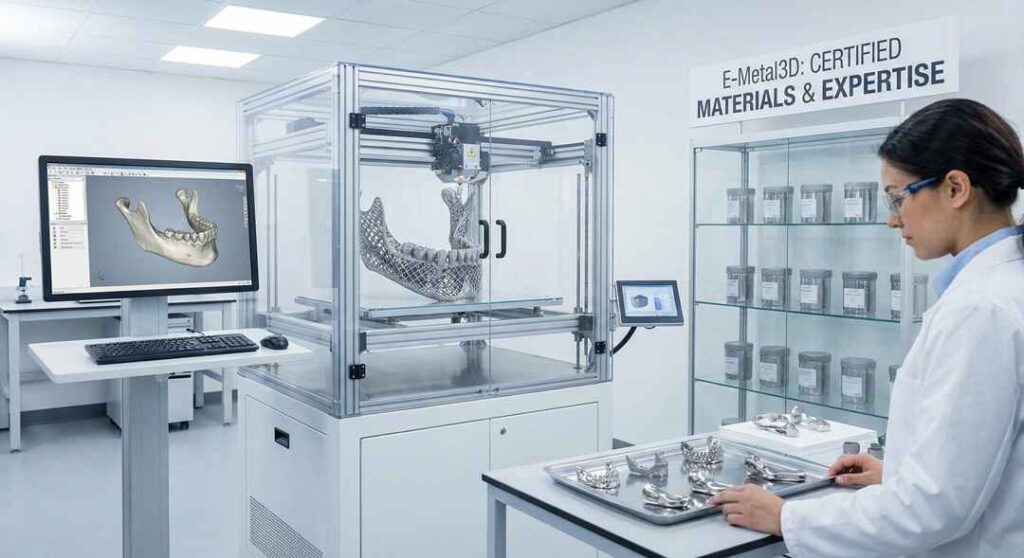
Custom surgical guides and implants produced using metal 3D printing reduce surgery time and improve outcomes.
6.3. Mining: Replacement Parts with Short Lead Times
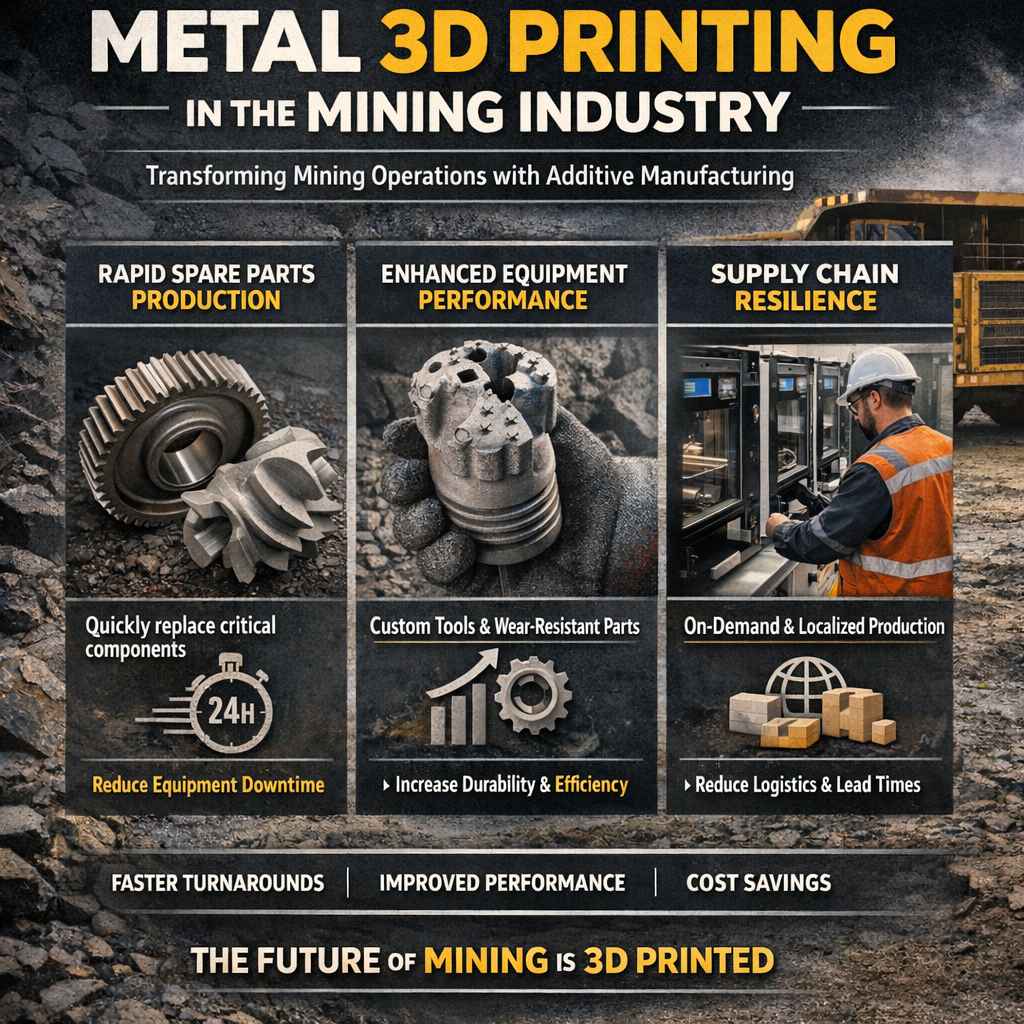
Engineering teams can print spare parts rapidly to reduce costly downtime in remote mining operations.
7. The Future of Engineering Workflows With 3D Printing
The next decade will see deeper integration of:
-
Digital twins
-
Generative design
-
Automated quality control
-
Smart production lines
3D printing will not just support engineering—it will define engineering innovation.
Conclusion
3D printing empowers engineering teams by eliminating traditional manufacturing bottlenecks and enabling faster, smarter and more cost-effective product development. Companies adopting additive manufacturing gain a powerful competitive advantage—accelerating innovation, improving performance, and reducing time-to-market.
Recommended Keywords (SEO-Optimized)
3D printing engineering solutions, rapid product development, additive manufacturing for engineers, metal 3D printing applications, design optimisation 3D printing, rapid prototyping benefits, industrial additive manufacturing, SLM metal printing engineering