When a Critical Part Is No Longer Available
Every industrial operation eventually faces the same challenge: a critical component fails, but the original manufacturer no longer supplies it. In some cases, the equipment is still performing reliably, yet a single obsolete part threatens to stop an entire production line.
Replacing the whole machine is rarely the most economical option. Waiting months for an overseas supplier is often just as costly. For industries such as mining, oil & gas, manufacturing, and heavy engineering, prolonged downtime can quickly translate into significant financial losses.
Obsolete Parts Manufacturing provides a practical alternative. Instead of replacing the equipment, the missing component is recreated using modern engineering technologies, allowing businesses to restore operations faster and extend the service life of valuable assets.
Why Parts Become Obsolete
Industrial equipment typically remains in operation for decades, while manufacturers may discontinue spare parts after only a few years. Mergers, product redesigns, discontinued product lines, or changes in manufacturing strategies often leave businesses without access to replacement components.
Even when a supplier still exists, long lead times and limited inventory can make sourcing a replacement impractical.
This issue is especially common with imported machinery, legacy production systems, mining equipment, and specialised industrial assets where original documentation is no longer available.
Modern Engineering Has Changed the Process
Manufacturing an obsolete part today is no longer a matter of copying an old component.
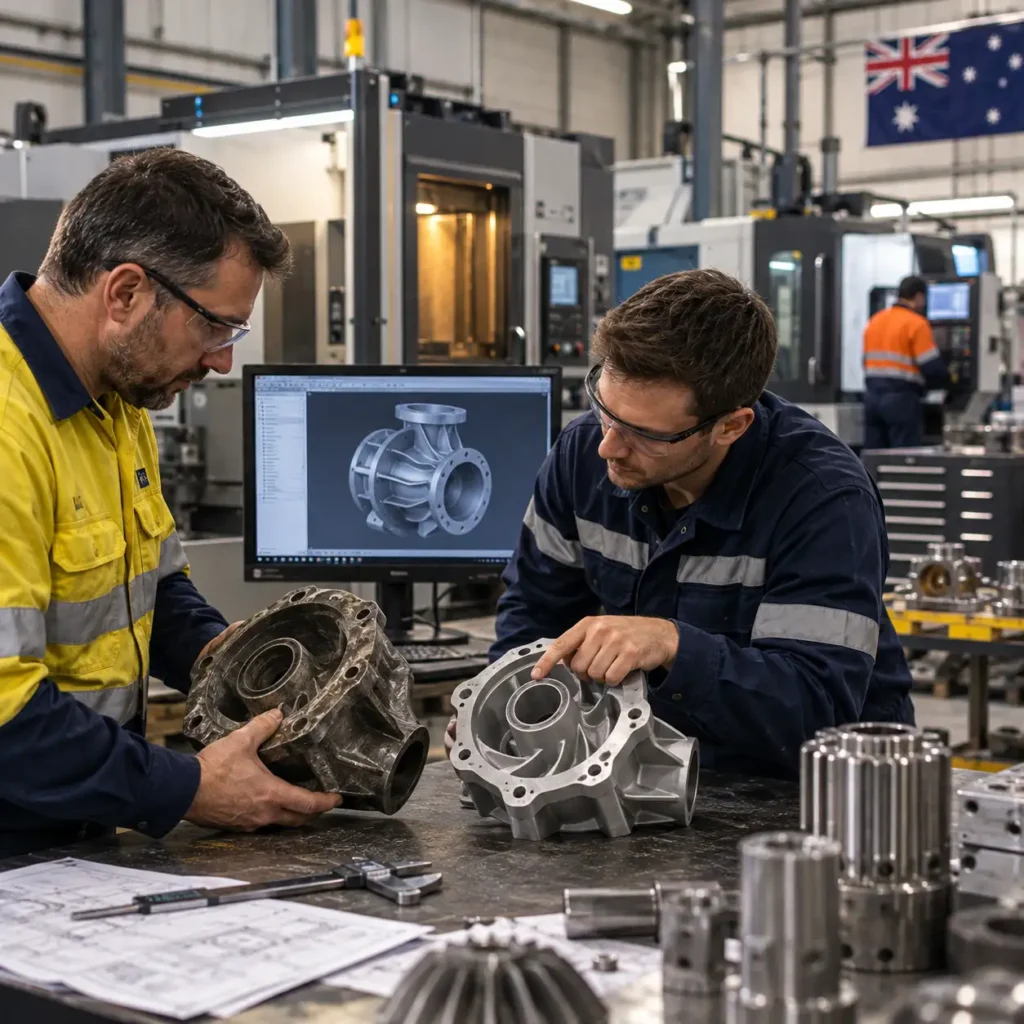
Modern engineering allows companies to capture the geometry of an existing part, rebuild an accurate digital model, evaluate its performance, and manufacture a replacement that often performs better than the original.
This process is supported by our Engineering Solutions, combining design optimisation, engineering analysis, and manufacturing expertise to deliver reliable industrial components.
Working together, these technologies reduce development time while improving accuracy and reliability.
Reverse Engineering Makes Missing Data Irrelevant
One of the biggest obstacles when reproducing obsolete components is the absence of engineering drawings or CAD files.
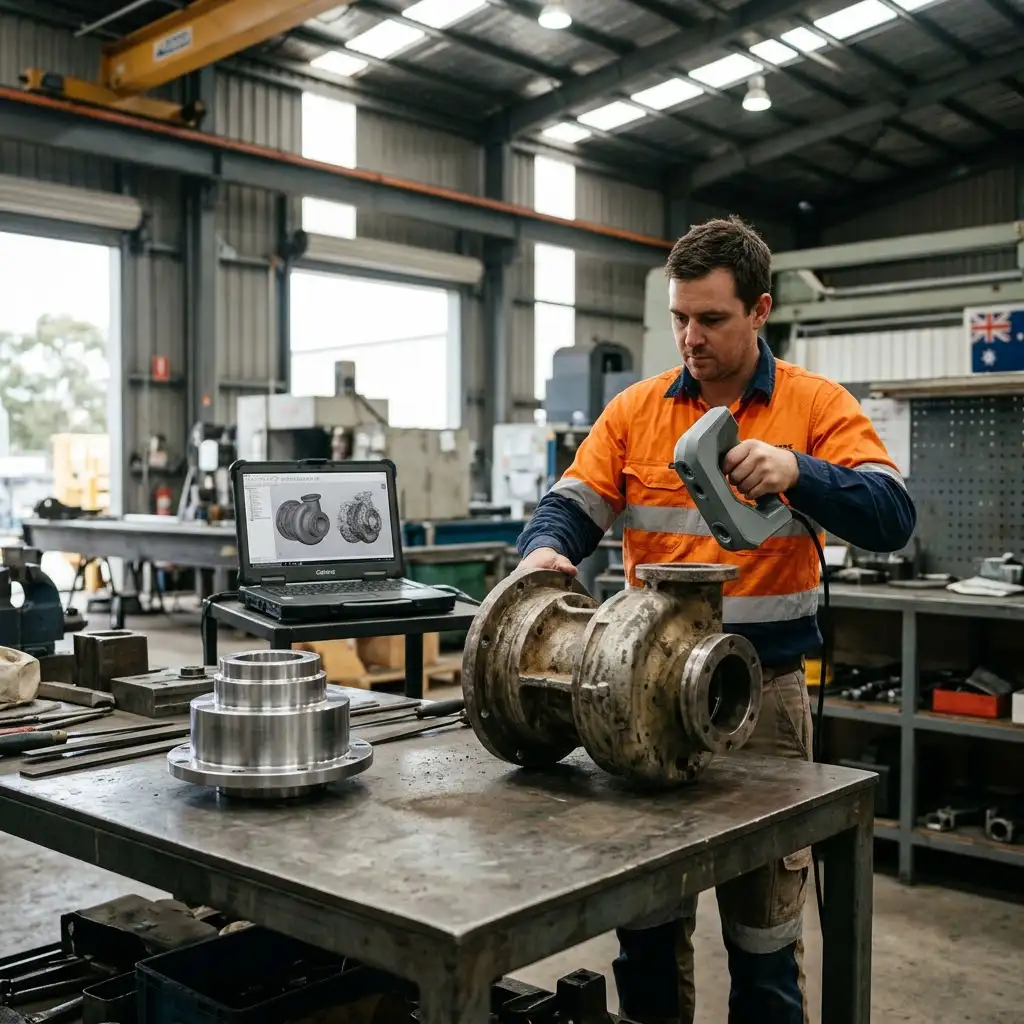
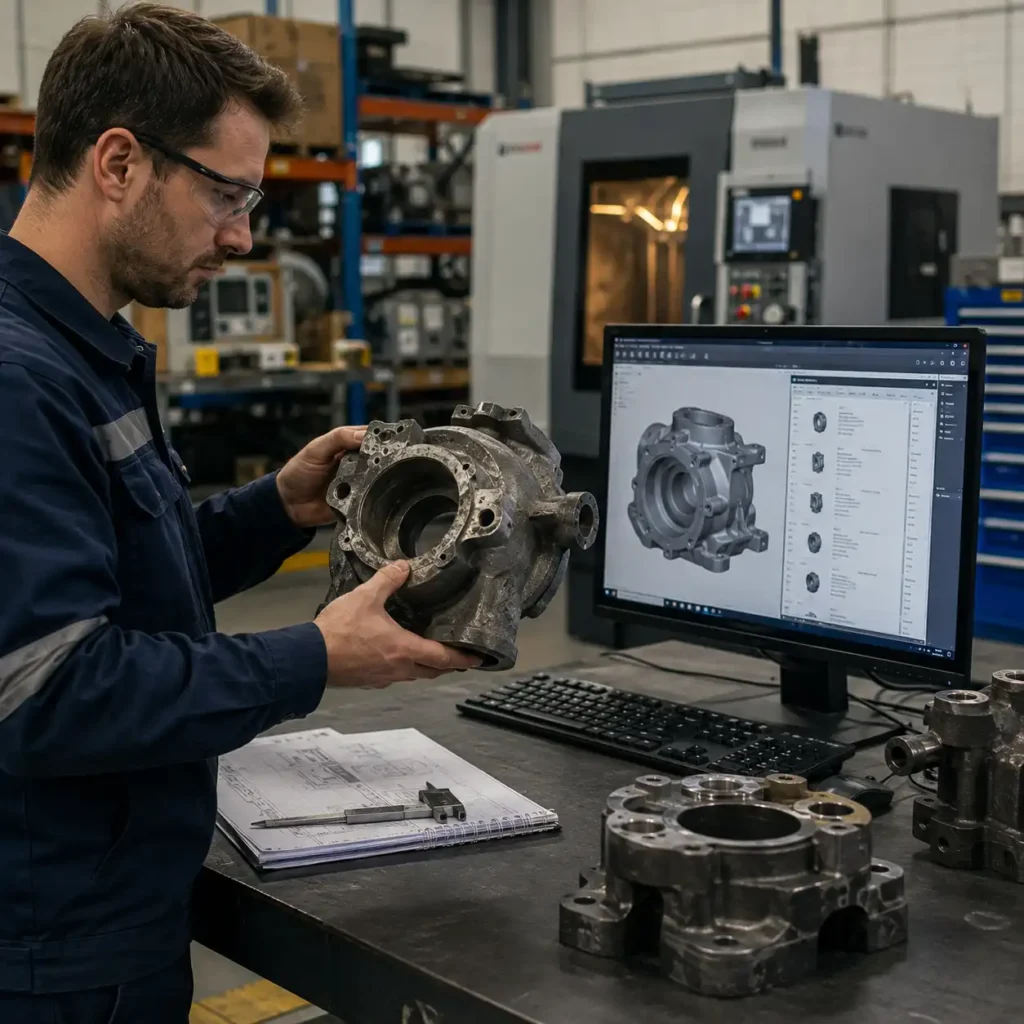
Reverse engineering solves this problem by creating a digital model directly from the physical part. High-precision 3D scanning captures every surface and critical dimension, after which engineers reconstruct a fully editable CAD model.
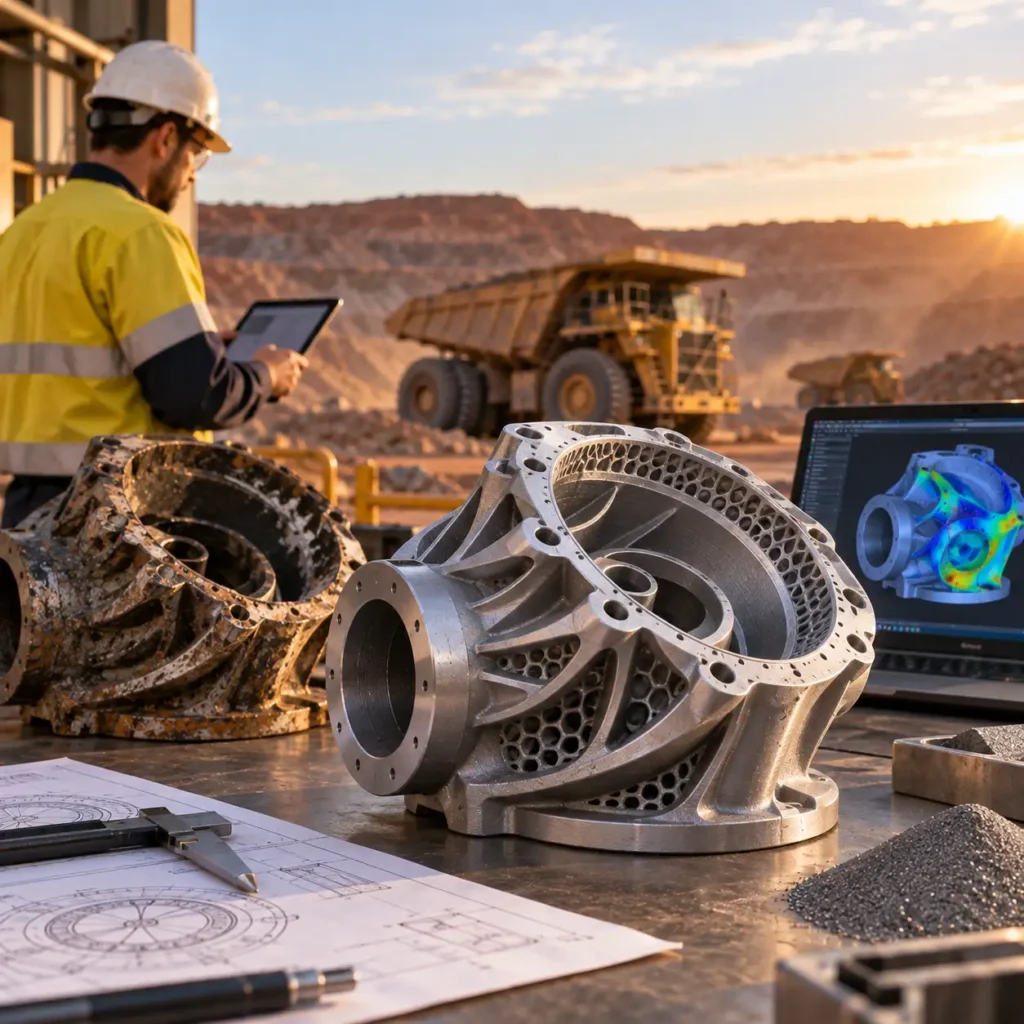
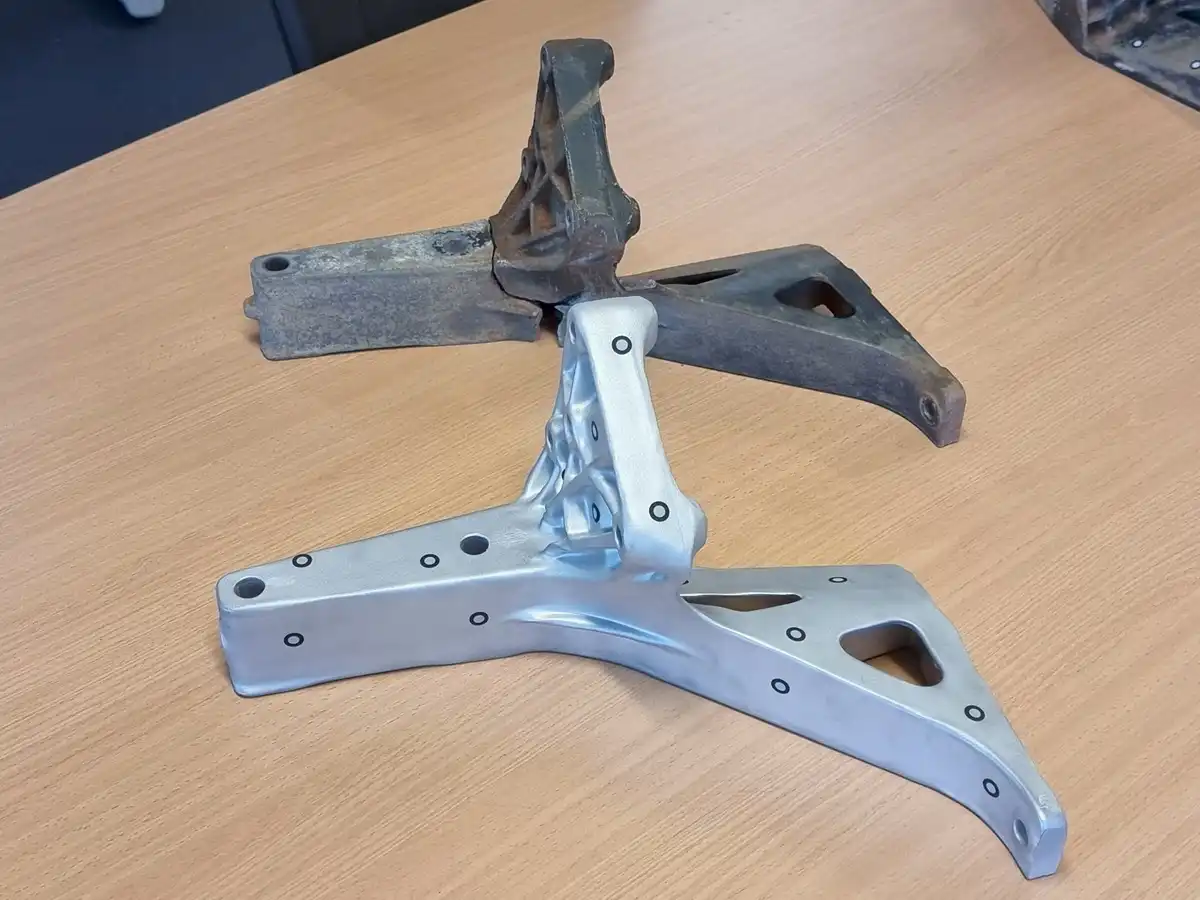
Once the digital model is complete, improvements can be introduced before manufacturing begins. Weak areas can be reinforced, unnecessary weight removed, tolerances refined, and materials upgraded to meet current operating requirements.
Rather than simply reproducing an outdated design, businesses receive a component optimised for today’s manufacturing capabilities.
Metal 3D Printing Opens New Possibilities
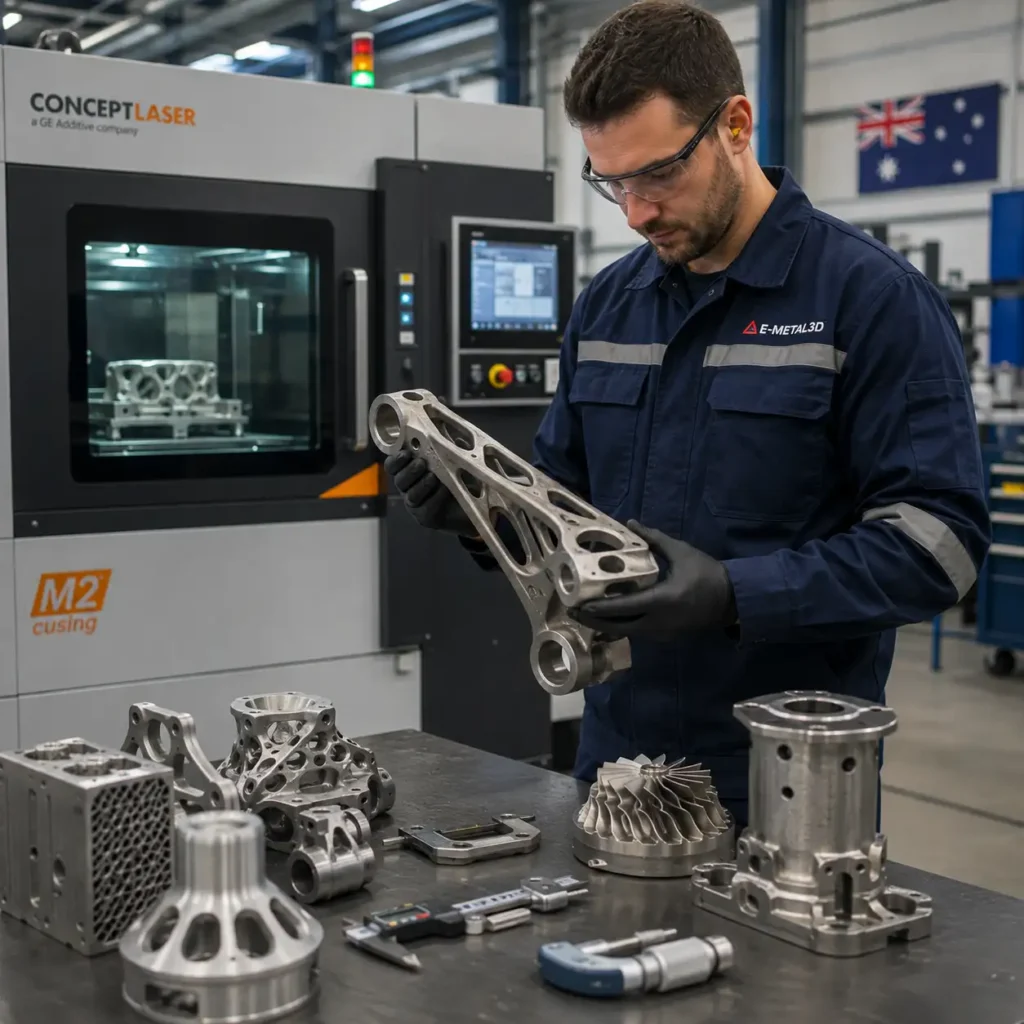
Metal 3D Printing has become one of the most efficient manufacturing methods for producing obsolete industrial components without expensive tooling.
Metal 3D Printing removes many of these limitations.
Complex internal channels, lightweight structures, and highly customised geometries can be produced directly from digital files without additional tooling.
For many industrial applications, additive manufacturing offers shorter lead times, reduced material waste, and greater design flexibility than conventional manufacturing methods.
It also enables on-demand production, allowing companies to manufacture replacement components only when they are needed rather than maintaining large spare parts inventories.
Industries That Benefit the Most
Obsolete parts manufacturing has become increasingly valuable across industries where equipment reliability directly affects productivity.
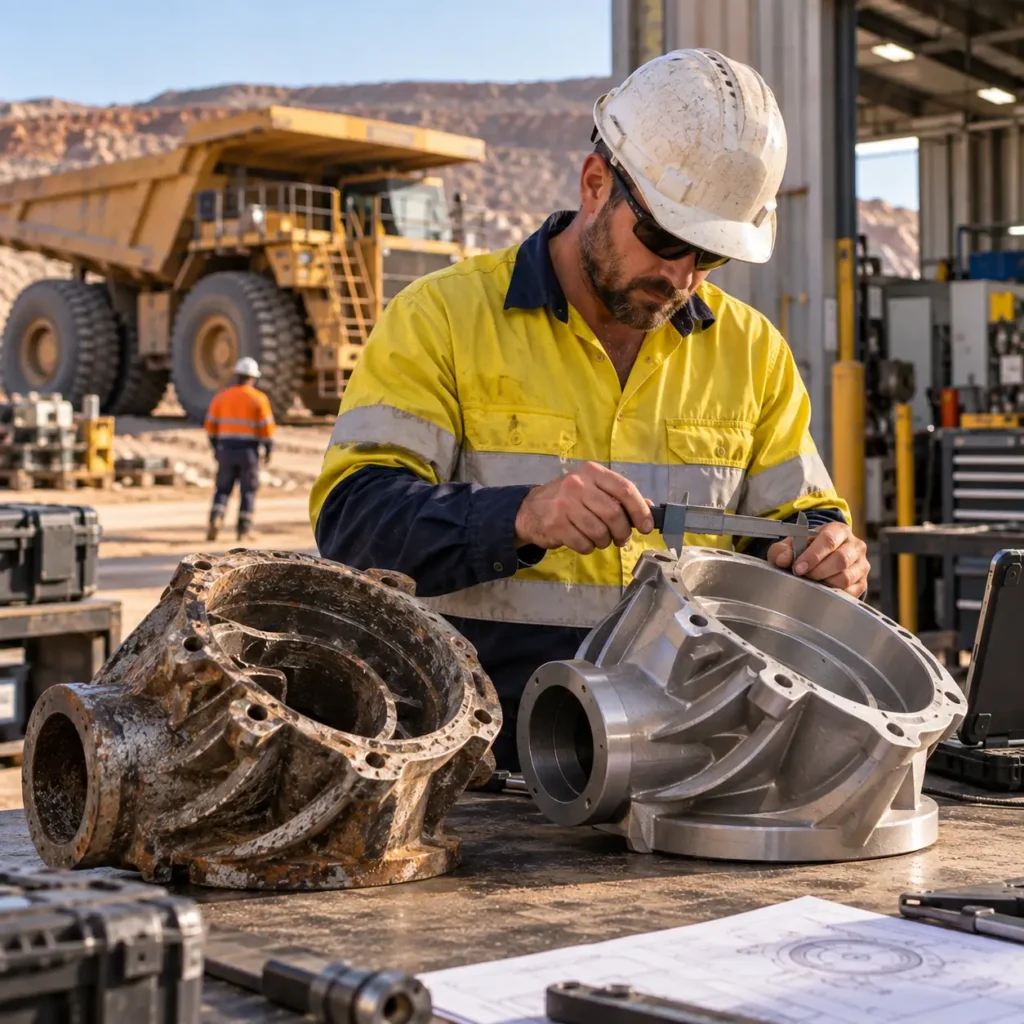
The Mining Industry frequently relies on obsolete parts manufacturing to reproduce wear components, pump housings, drilling equipment, and hydraulic systems that are no longer commercially available.
The Oil & Gas Industry depends on reliable replacement components capable of operating in demanding environments while maintaining strict performance standards.
Businesses in the Manufacturing Industry use obsolete parts manufacturing to extend equipment life, reduce downtime, and avoid costly machinery replacement.
Across all sectors, the objective remains the same: minimise downtime while maintaining operational continuity.
More Than a Replacement Part
Reproducing an obsolete component is an opportunity to improve it.
Engineering teams can analyse the original design and identify opportunities for optimisation. Components may be redesigned to improve strength, reduce weight, simplify assembly, or enhance manufacturability.
Material selection can also be updated to take advantage of modern alloys that provide improved wear resistance, corrosion protection, or thermal performance.
As a result, the replacement part often delivers longer service life than the original component.
Choosing the Right Manufacturing Method
Not every obsolete component should be produced using the same manufacturing process.
Some parts are ideally suited to Metal 3D Printing because of their complexity or low production volume.
Others may be better manufactured using CNC machining or a hybrid approach that combines additive manufacturing with precision machining.
Selecting the most appropriate process depends on factors such as geometry, material, tolerances, operating conditions, production quantity, and project timelines.
An engineering-first approach ensures each component is manufactured using the most efficient and cost-effective method.
Why Companies Choose E-Metal3D
At E-Metal3D, obsolete parts manufacturing is supported by a complete engineering workflow rather than a single manufacturing technology.
From high-precision 3D scanning and reverse engineering to CAD modelling, engineering analysis, Metal 3D Printing, and manufacturing support, every stage is managed with the goal of delivering reliable industrial components that meet real operational requirements.
Whether a business needs to reproduce a discontinued mining component, modernise legacy equipment, or develop a long-term spare parts strategy, our team provides practical engineering solutions that reduce downtime and keep critical operations moving.
Frequently Asked Questions
Can obsolete parts be manufactured without original CAD files?
Yes. Using professional 3D scanning and reverse engineering, a digital CAD model can be recreated directly from an existing component.
Is Metal 3D Printing suitable for obsolete parts?
Absolutely. It is particularly effective for low-volume production, complex geometries, and components that would otherwise require expensive tooling.
Which industries commonly require obsolete parts manufacturing?
Mining, oil & gas, manufacturing, defence, heavy engineering, transportation, and many other industrial sectors regularly use obsolete parts manufacturing to support ageing equipment.
Can the original design be improved?
Yes. Modern engineering allows obsolete components to be redesigned for improved strength, reduced weight, better manufacturability, or enhanced performance before production.