Introduction
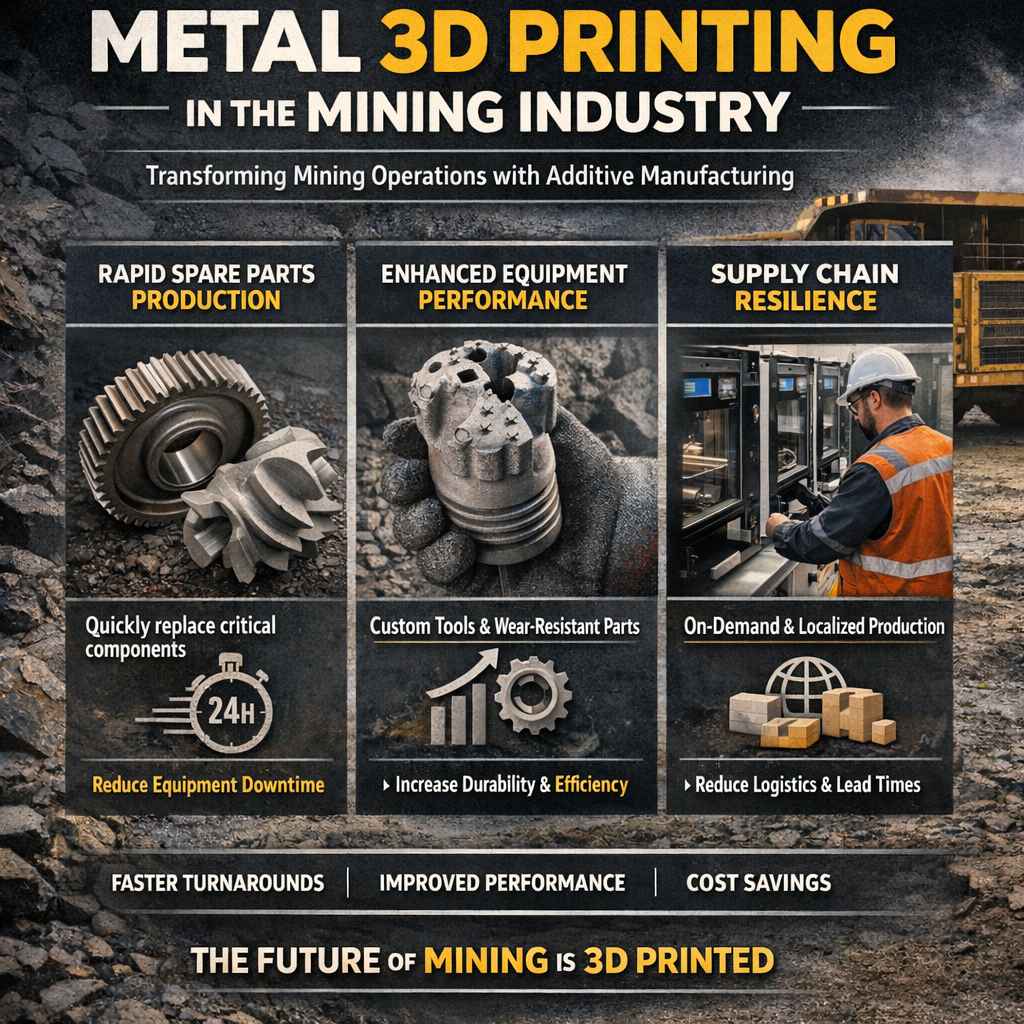
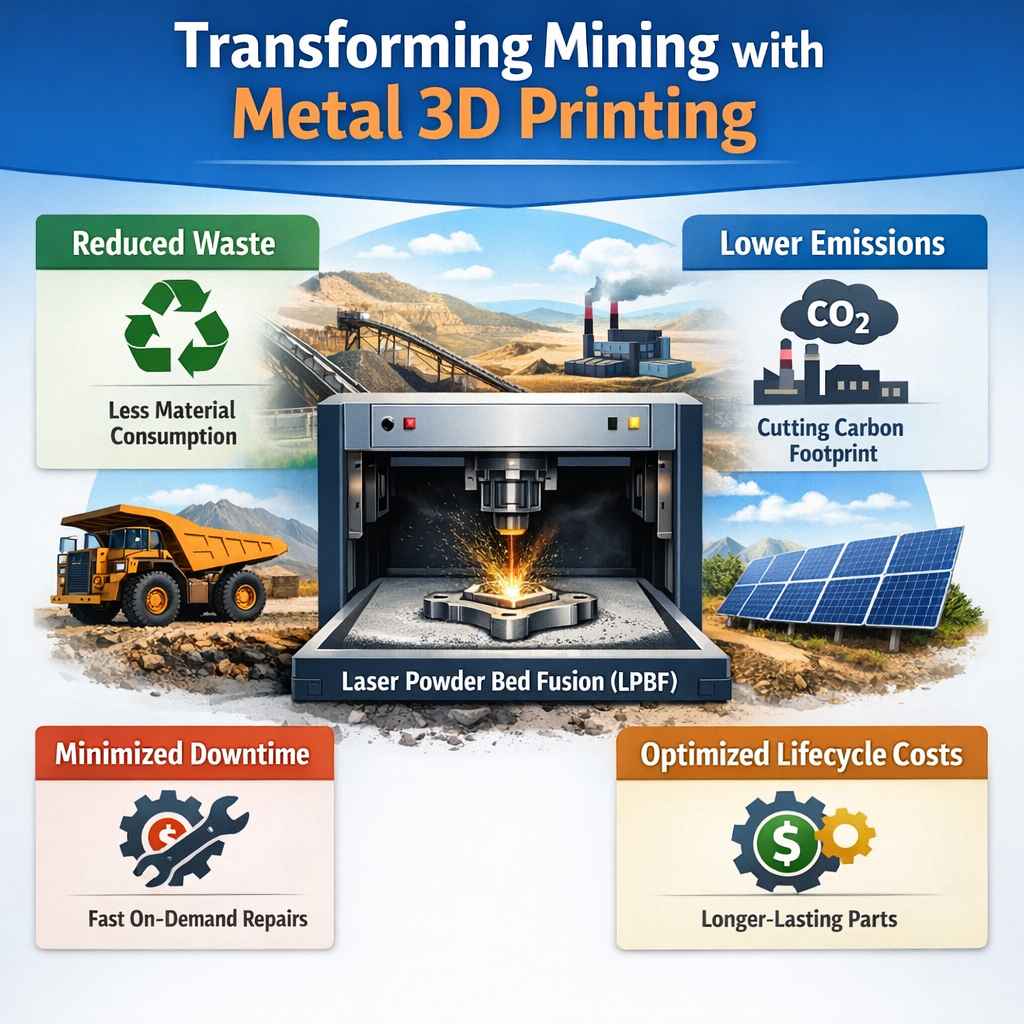
Additive Manufacturing (AM), commonly known as 3D printing, has rapidly transformed from a prototyping tool into a high-value manufacturing technology used across aerospace, automotive, medical, industrial tooling, and consumer product sectors. One of its most impactful advantages is its ability to significantly reduce waste and optimize overall production costs. By enabling layer-by-layer fabrication, manufacturers can eliminate unnecessary material usage, shorten supply chains, reduce labor-intensive processes, and achieve better economic efficiency without compromising quality.
This article explores how additive manufacturing reduces waste, improves material efficiency, lowers operational costs, and enhances overall profitability for modern industries.
1. Understanding Waste in Traditional Manufacturing
Traditional manufacturing methods such as CNC machining, injection molding, and casting rely heavily on subtractive or mold-based production. These approaches inherently produce waste:
1.1 Material Waste
-
CNC machining removes up to 70–90% of raw material when shaping metal parts.
-
Injection molds require large sprues, runners, and overflow materials—often discarded after each cycle.
-
Casting processes incur waste through gating systems, excess metal, and thermal failures.
1.2 Energy and Labor Waste
-
High-temperature furnaces and oversized machinery consume significant energy.
-
Labor-intensive finishing work adds additional costs and time.
1.3 Inventory Waste
-
Traditional manufacturing often requires high-volume production to justify mold costs, leading to:
-
Overproduction
-
Excess inventory
-
Storage expenses
-
Potential product obsolescence
-
2. How Additive Manufacturing Reduces Waste
Additive Manufacturing is fundamentally efficient because it builds exactly what is required—no more, no less. Waste is minimized at every stage of the production lifecycle.
2.1 Near-Zero Material Waste
AM only uses the material necessary to fabricate the part.
Key benefits:
-
Powder-based processes (SLM, DMLS, SLS) allow unused powder to be collected and reused.
-
Polymer filament printing (FDM/FFF) produces minimal support waste.
-
Resin printing (SLA/DLP) uses highly controlled volumes of material.
Industries often report up to 95% reduction in raw material waste compared to CNC machining.
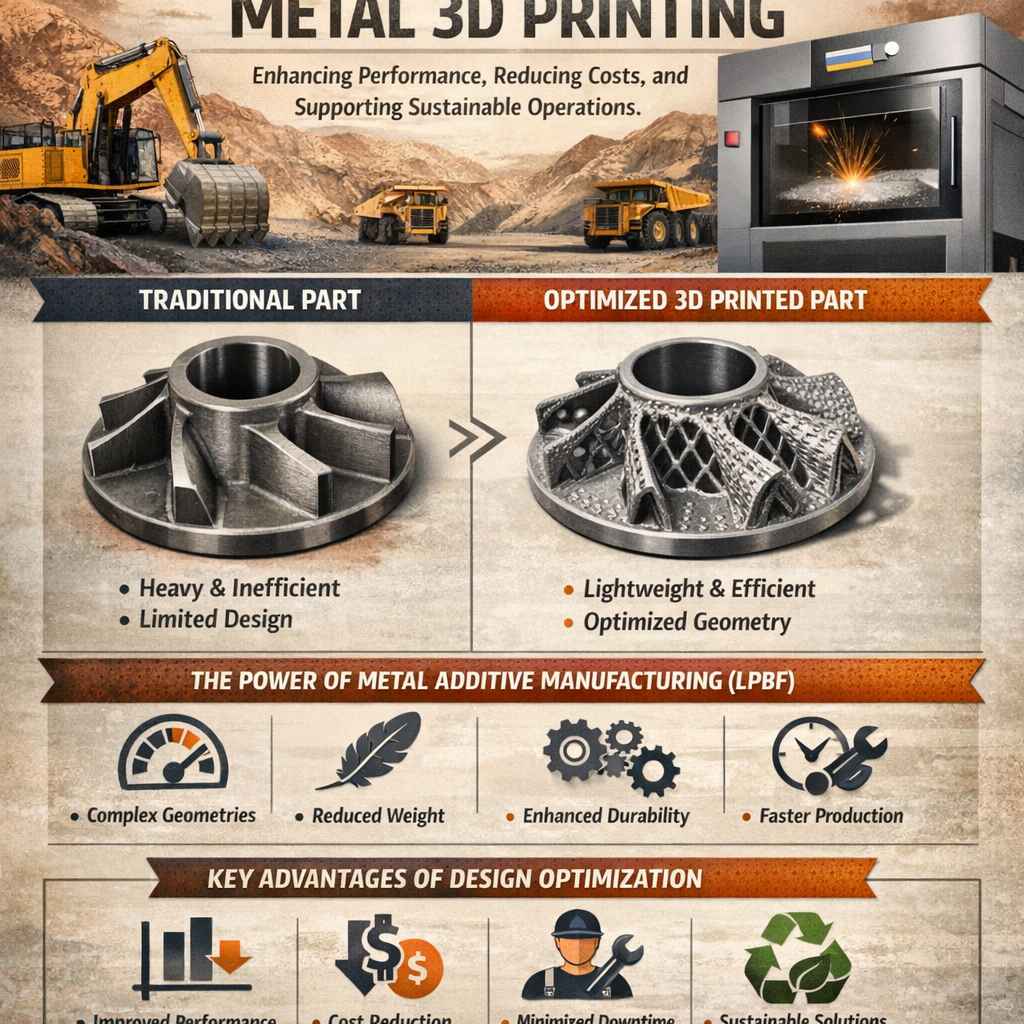
2.2 Optimized Designs Reduce Weight and Cost
AM enables advanced design techniques such as:
-
Topology optimization
-
Lattice structures
-
Hollow internal channels
This leads to:
-
Lighter parts
-
A reduction in material consumption
-
Lower energy usage during product operation (e.g., aerospace components)
2.3 Reduction of Process Waste
Unlike traditional environments requiring cutting tools, molds, dies, and lubrication fluids, AM eliminates:
-
Tool wear
-
Mold fabrication waste
-
Coolants and cutting fluids
-
Excess machine setup materials
2.4 On-Demand Production Minimizes Inventory Waste
Additive manufacturing enables:
-
Zero-inventory manufacturing
-
Just-in-time production
-
Small batches without financial penalty
This prevents overproduction and the carrying cost of warehousing unused products.
3. Cost Optimization Through Additive Manufacturing
Waste reduction naturally leads to cost savings, but AM contributes to cost optimization in additional powerful ways.
3.1 Lower Material Costs
Material accounts for a major percentage of manufacturing cost.
AM reduces material consumption through:
-
Efficient geometries
-
Reusable powder systems
-
Reduced scrap
-
Fewer failed parts due to precise digital control
The result: substantial direct material savings.
3.2 Eliminating Tooling Costs
Traditional tooling can be extremely costly:
-
Injection molds: $20,000–$300,000 per mold
-
Metal dies: $10,000–$80,000
-
CNC fixtures and jigs: $500–$10,000 each
AM removes these costs entirely, especially valuable for:
-
Prototyping
-
Short-run production
-
Custom or low-volume parts
3.3 Lower Labor Costs
Additive manufacturing requires fewer manual operations:
-
Automated production
-
Minimal assembly work
-
Less machining and finishing
-
Reduced human error
Companies often see labor cost reductions between 40% to 60%.
3.4 Faster Product Development Cycles
Speed equals cost savings. AM provides:
-
Rapid prototyping
-
Quick design validation
-
Shorter time-to-market
Reducing development cycles by weeks or months significantly enhances profitability.
3.5 Improved Equipment Efficiency
AM systems often operate:
-
With lower energy consumption
-
Fewer production steps
-
Higher uptime
This lowers operating costs over the product lifecycle.
4. Real-World Industrial Applications
4.1 Aerospace
-
Lightweight lattice structures reduce fuel consumption.
-
AM minimizes scrap from expensive superalloys like titanium.
4.2 Automotive
-
Tooling-free prototype parts
-
Low-cost custom jigs and fixtures
-
Reduced lead time for replacement components
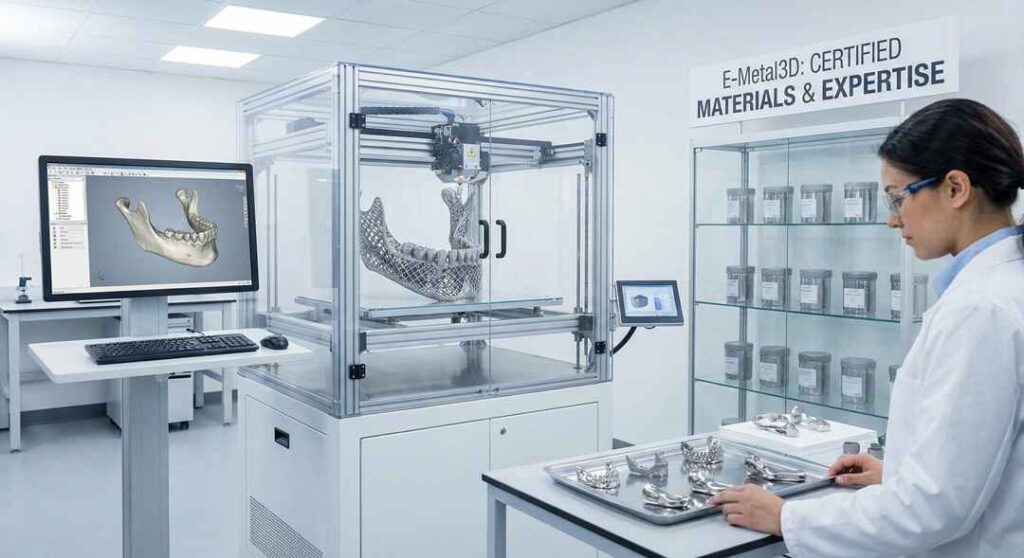
4.3 Medical and Dental
-
Patient-specific implants minimize material use
-
Digital workflows reduce wasteful manual fabrication
4.4 Industrial Tooling
-
AM produces conformal cooling channels
-
Reduces mold-making costs
-
Shortens cycle times
5. Sustainability and Environmental Impact
Additive Manufacturing supports global sustainability goals through:
5.1 Reduced Carbon Footprint
Less waste = less energy in material production and disposal.
5.2 Localized Manufacturing
Shortens supply chains
→ Lower fuel consumption
→ Lower logistics cost
5.3 Circular Material Use
Powders, resins, and filaments can be collected, recycled, and reused.
5.4 Longer Product Lifecycles
AM enables cost-effective repair and remanufacturing using:
-
Laser cladding
-
Directed Energy Deposition (DED)
This avoids scrapping large components.
6. Economic Comparison: AM vs. Traditional Manufacturing
| Factor | Traditional Manufacturing | Additive Manufacturing |
|---|---|---|
| Material Usage | High waste | Highly efficient |
| Tooling Cost | Very expensive | None |
| Labor | High | Low |
| Customization | Costly | Easy & low cost |
| Inventory | Requires mass production | On-demand |
| Speed | Slow for prototypes | Very fast |
| Energy Consumption | High | Moderate/Low |
Overall, additive manufacturing offers superior economic value in low-to-medium volume production and highly complex designs.
Conclusion
Additive Manufacturing is fundamentally reshaping modern production by reducing waste, lowering costs, and improving operational efficiency. Businesses adopting AM benefit from optimized material usage, elimination of tooling expenses, reduced labor costs, accelerated development cycles, and more sustainable manufacturing processes. As industries continue shifting toward lean, digital, and eco-efficient workflows, additive manufacturing stands as a crucial technology for cost-optimized and waste-free production.