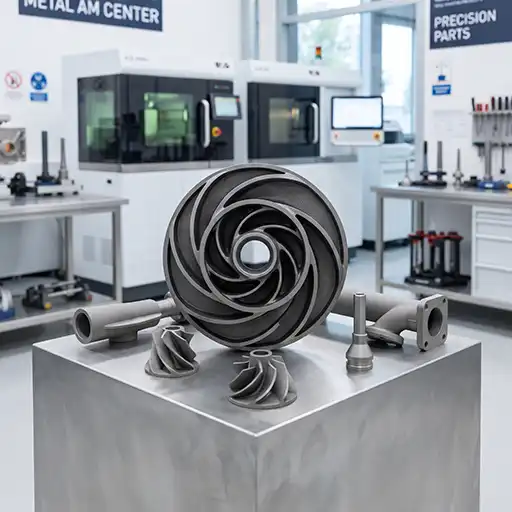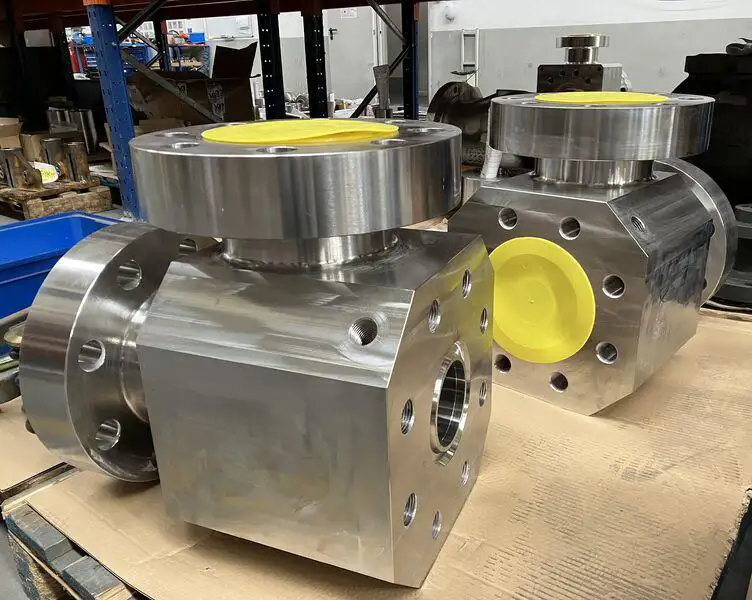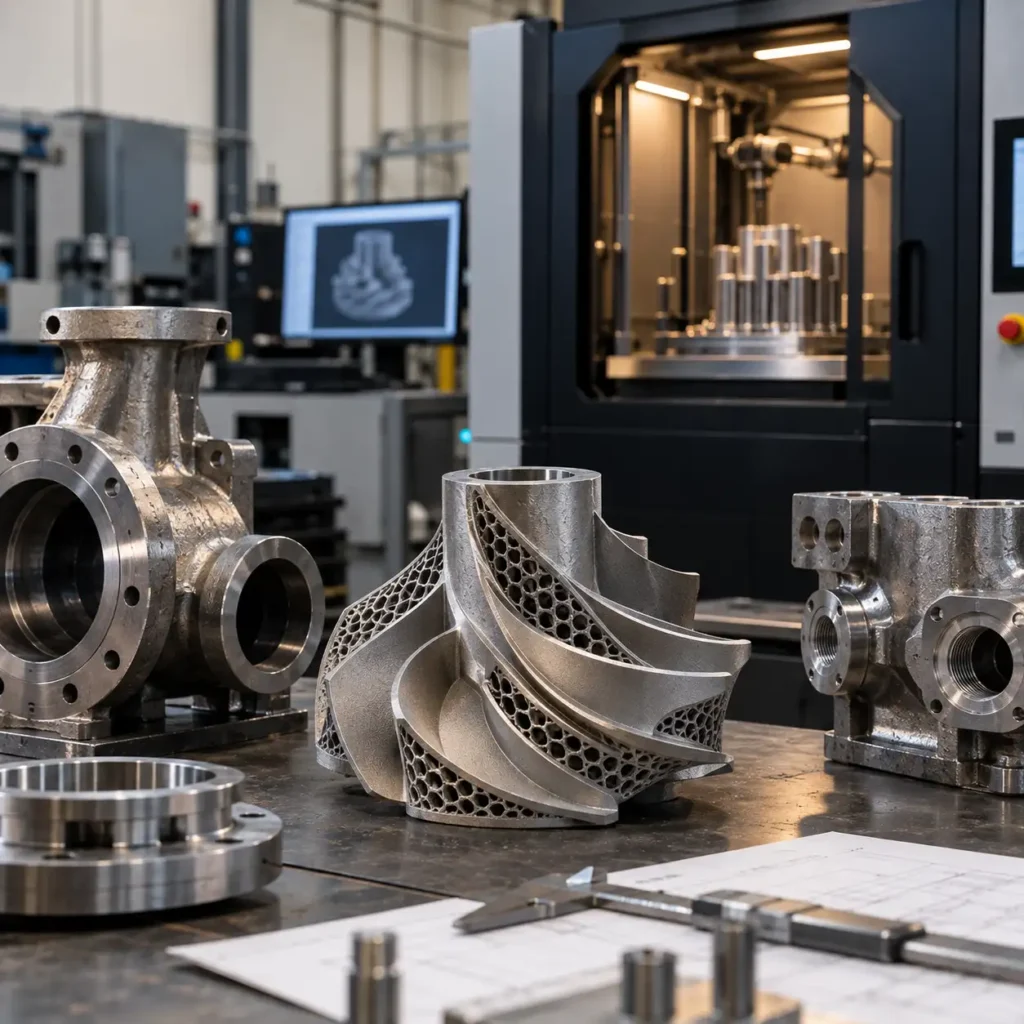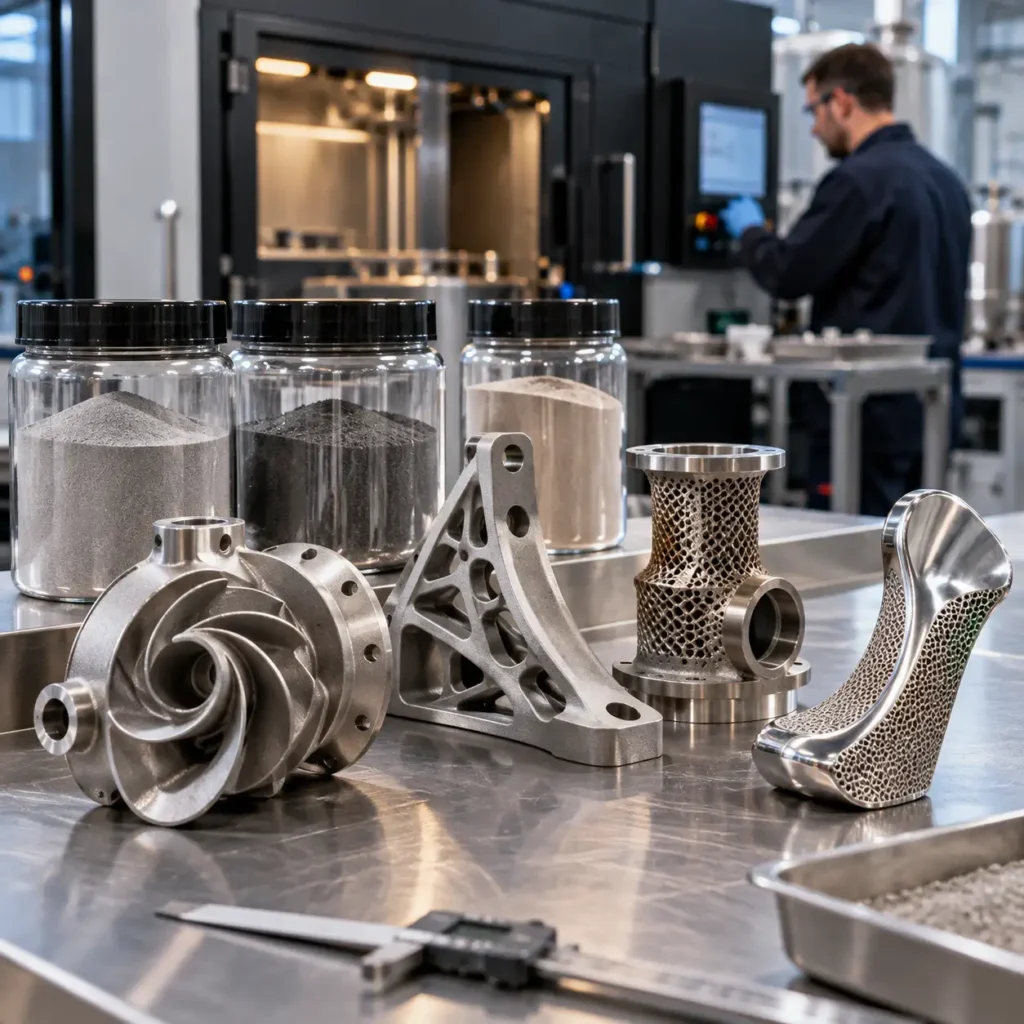
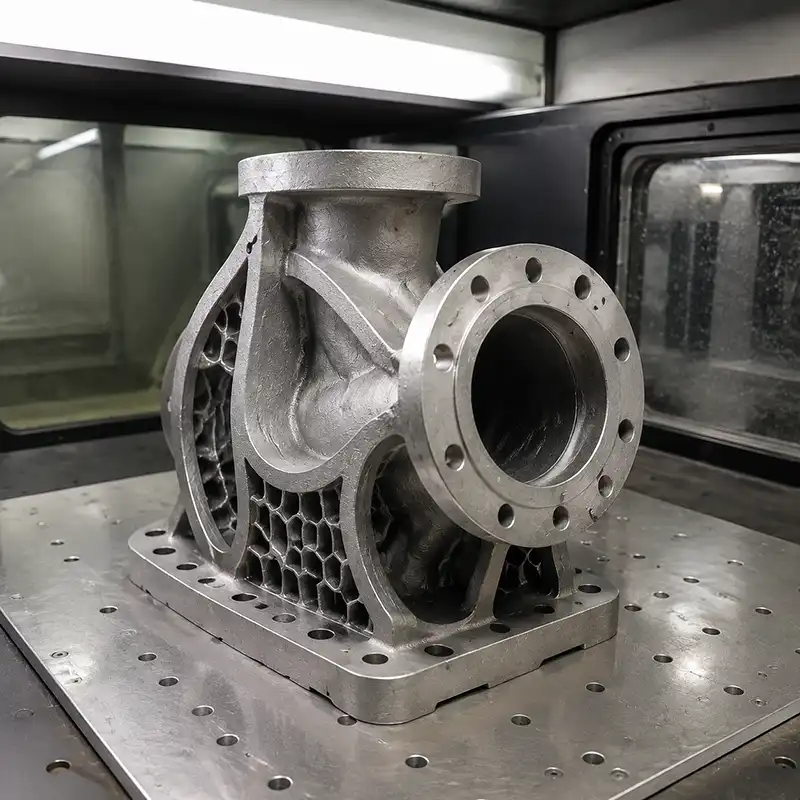
Australian mining companies are turning to metal 3D printing to reduce equipment downtime, overcome spare parts shortages, and manufacture critical components faster. Instead of waiting weeks or months for specialised parts, mining operators can now use digital engineering, 3D scanning, and additive manufacturing to reproduce or improve components when they are needed.
For an industry where equipment failure can cost thousands of dollars per hour, faster access to reliable replacement parts has become a major operational advantage. Metal additive manufacturing is helping mining companies move away from traditional supply chains and toward a more flexible, digital approach to maintenance and production.
Mining operations across Australia depend on heavy machinery working in some of the harshest environments in the world. Excavators, crushers, pumps, processing equipment, and transport systems operate under extreme mechanical loads, heat, dust, and corrosion conditions.
When a critical component fails, the problem is not always the repair itself. In many cases, the biggest challenge is sourcing the replacement part. Older machinery may no longer be supported by manufacturers, international suppliers can have long delivery times, and maintaining large inventories of spare parts can become expensive.
This is where metal 3D printing is creating a new opportunity for the mining sector.
Instead of manufacturing every component from scratch using traditional tooling and long production cycles, engineers can recreate parts from digital models and manufacture them when required.
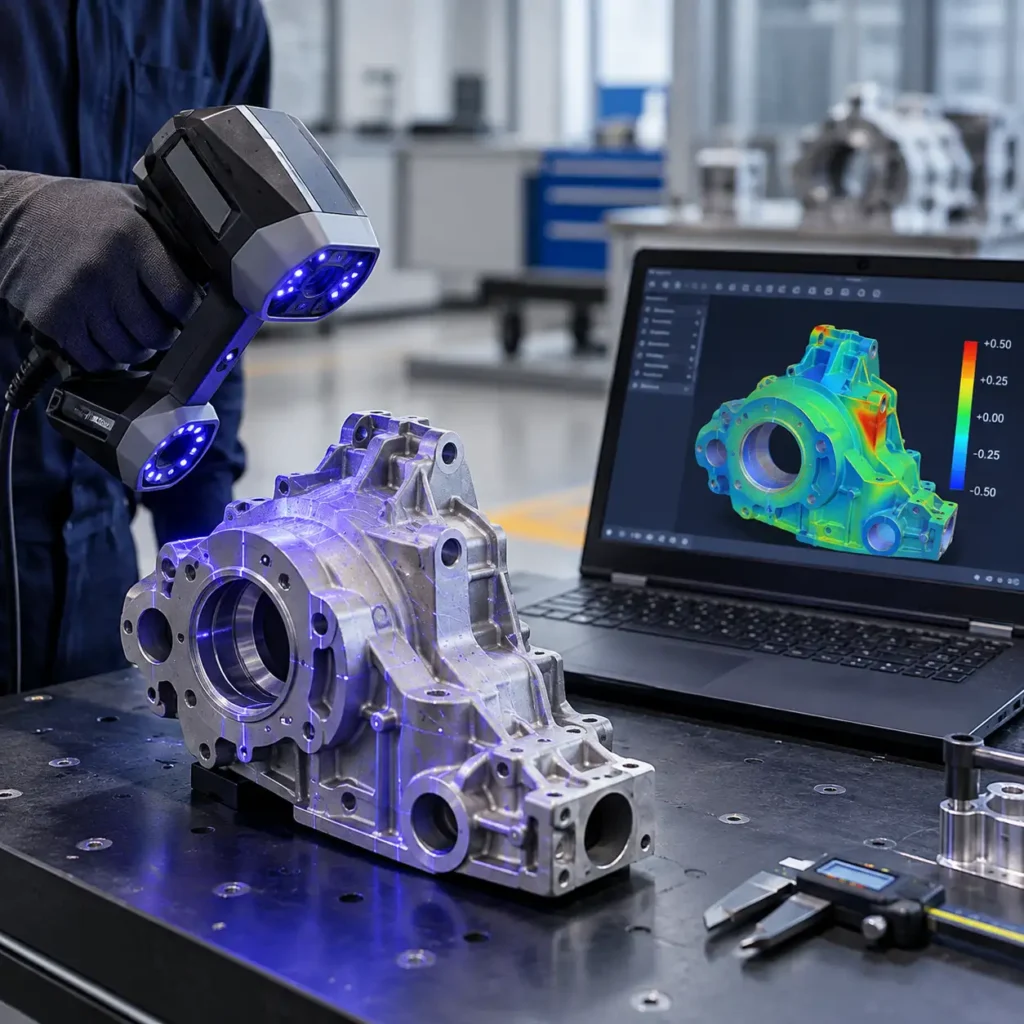
The process often begins with 3D scanning or reverse engineering of an existing component. The physical part is captured digitally, converted into an accurate CAD model, and then prepared for metal additive manufacturing.
This approach is particularly valuable for mining companies operating older equipment where original drawings or replacement parts are no longer available.
One of the biggest advantages of metal 3D printing is speed. Traditional manufacturing may require machining, tooling, casting, and multiple production stages before a component reaches the site. For urgent mining repairs, these delays can directly affect productivity.
With additive manufacturing, the workflow becomes much shorter:
Existing component → Digital model → Engineering validation → Metal manufacturing → Installation
This allows companies to respond faster when unexpected failures occur.
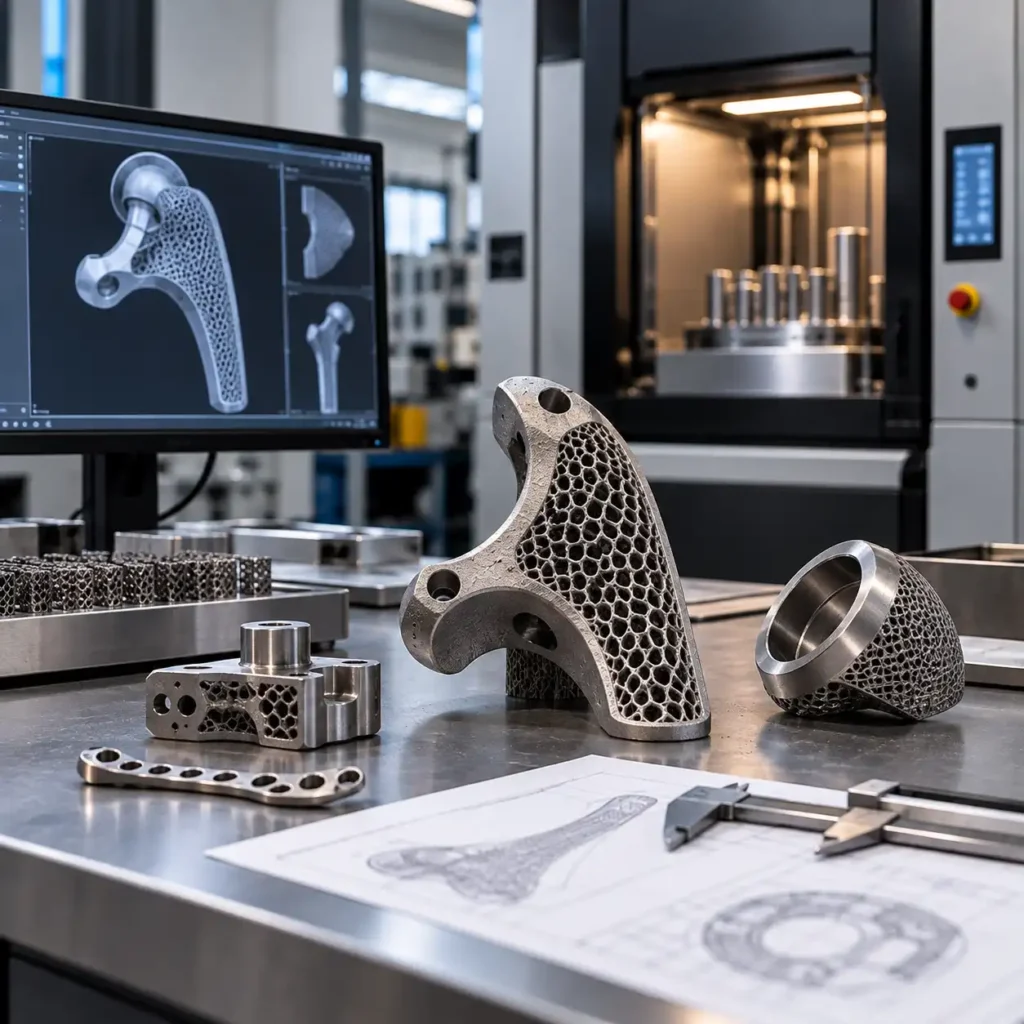
Beyond replacement parts, metal 3D printing also allows engineers to improve existing designs. Components can be redesigned to reduce weight, increase strength, improve wear resistance, or perform better in specific operating conditions.
For example, a mining component that repeatedly fails due to wear can be redesigned using advanced materials or modified geometry to extend its service life.
Another major change is the move from physical spare parts storage to digital inventory management.
Instead of keeping large quantities of rarely used components in warehouses, companies can maintain secure digital files and manufacture parts only when needed. This reduces storage costs while improving access to critical equipment components.
Australia’s geography makes this approach especially relevant. Many mining operations are located in remote areas where transporting specialised parts can take significant time. Local metal manufacturing capabilities can help reduce dependence on overseas suppliers and improve supply chain reliability.
Materials used for mining applications vary depending on the operating environment. Stainless steel may be selected for corrosion resistance, tool steels for wear applications, aluminium for lightweight components, and nickel-based alloys for high-temperature conditions.
Choosing the correct material and manufacturing process is essential to ensure the final component meets industrial performance requirements.
Metal 3D printing is not replacing all traditional manufacturing methods. Large-scale production of standard components will continue to rely on conventional processes. However, for complex, customised, low-volume, and urgent parts, additive manufacturing provides a significant advantage.
As mining companies continue adopting digital technologies, the combination of 3D scanning, reverse engineering, digital twins, and metal additive manufacturing will become an increasingly important part of modern maintenance strategies.
For Australian mining operations, the future of spare parts management is moving from warehouses full of components to intelligent digital manufacturing systems capable of producing the right part at the right time.
What is metal 3D printing used for in mining?
Metal 3D printing is used to manufacture replacement components, customised parts, tooling, and equipment solutions for mining operations where speed and flexibility are important.
Can metal 3D printing reproduce old mining components?
Yes. Through 3D scanning and reverse engineering, existing components can be digitally recreated even when original manufacturer drawings are unavailable.
Does metal 3D printing reduce mining downtime?
Yes. Faster production of critical replacement parts can reduce waiting times and help mining operations return equipment to service sooner.
What metals are suitable for mining applications?
Common materials include stainless steel, tool steel, aluminium, titanium, and nickel-based alloys depending on strength, temperature, and corrosion requirements.