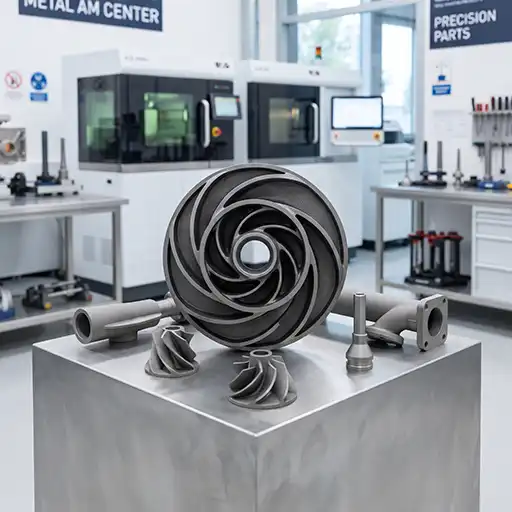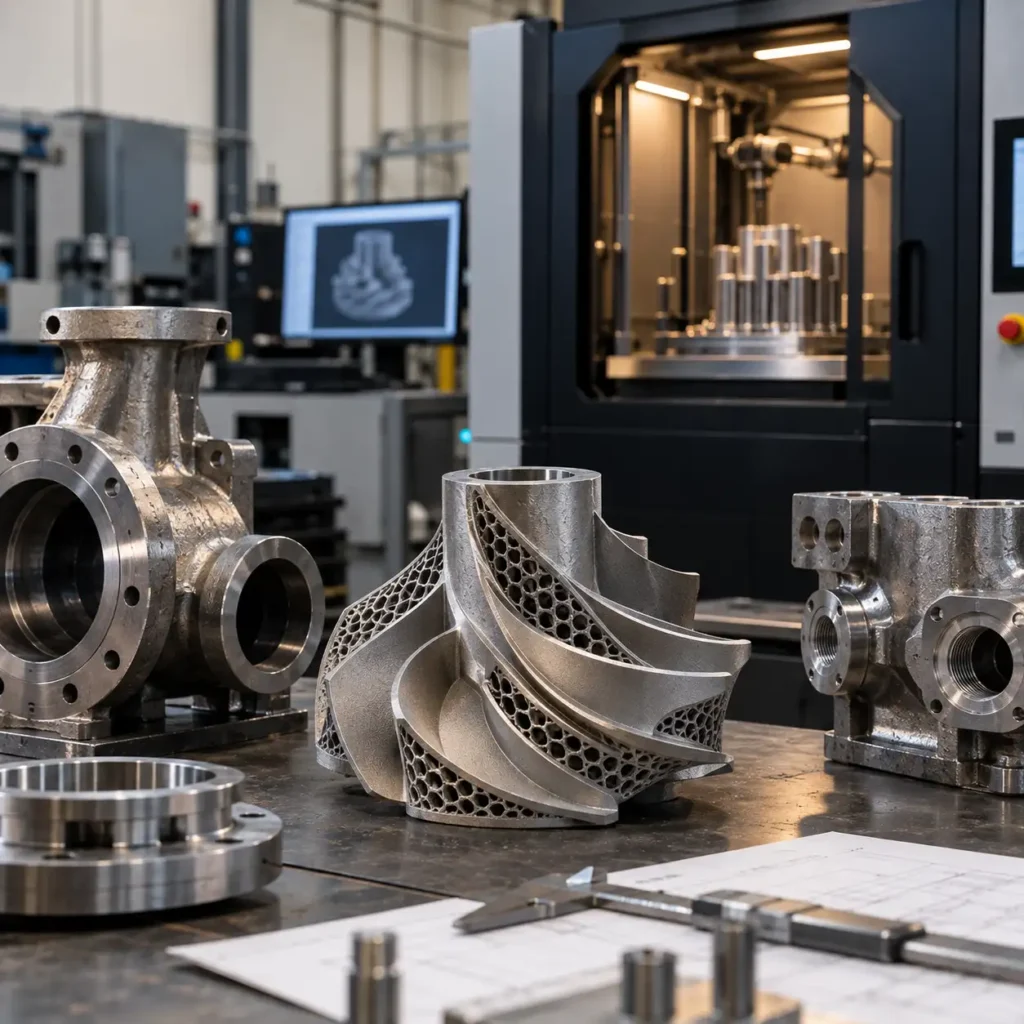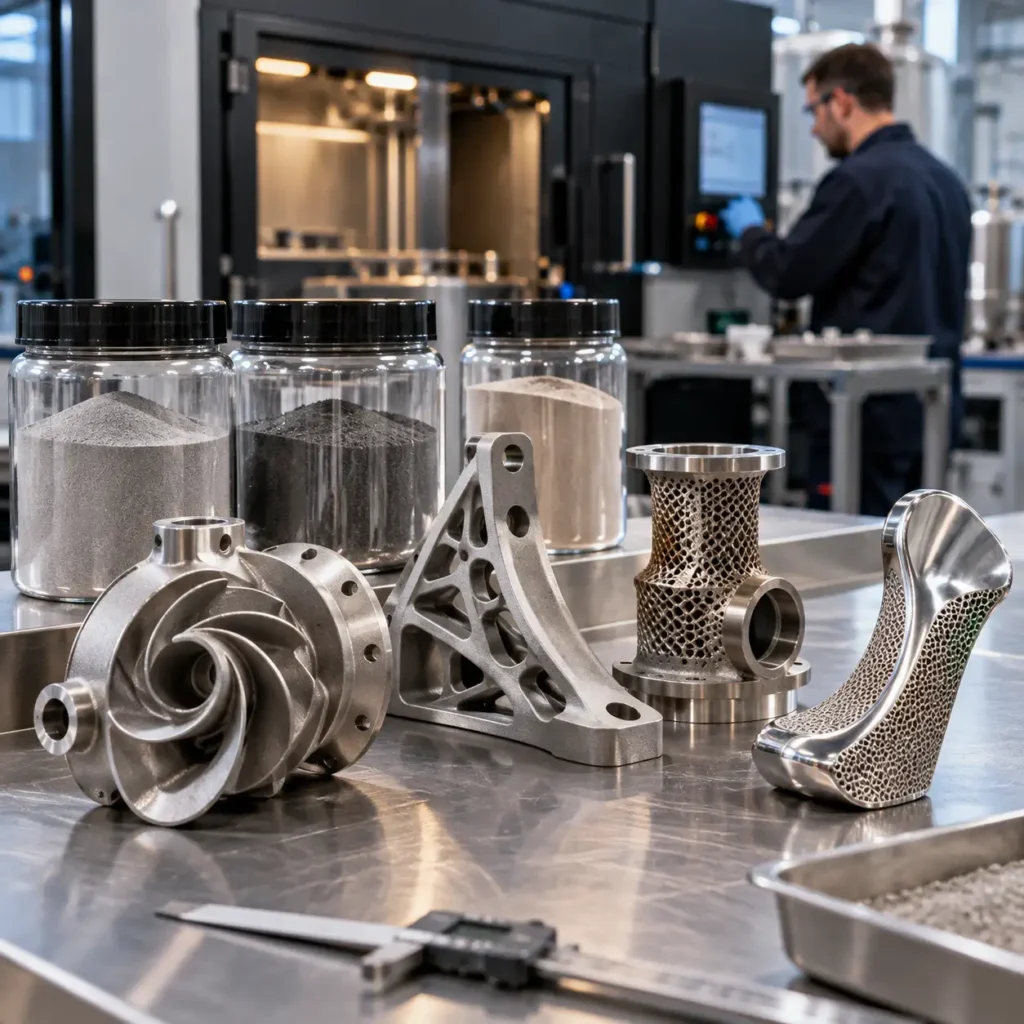
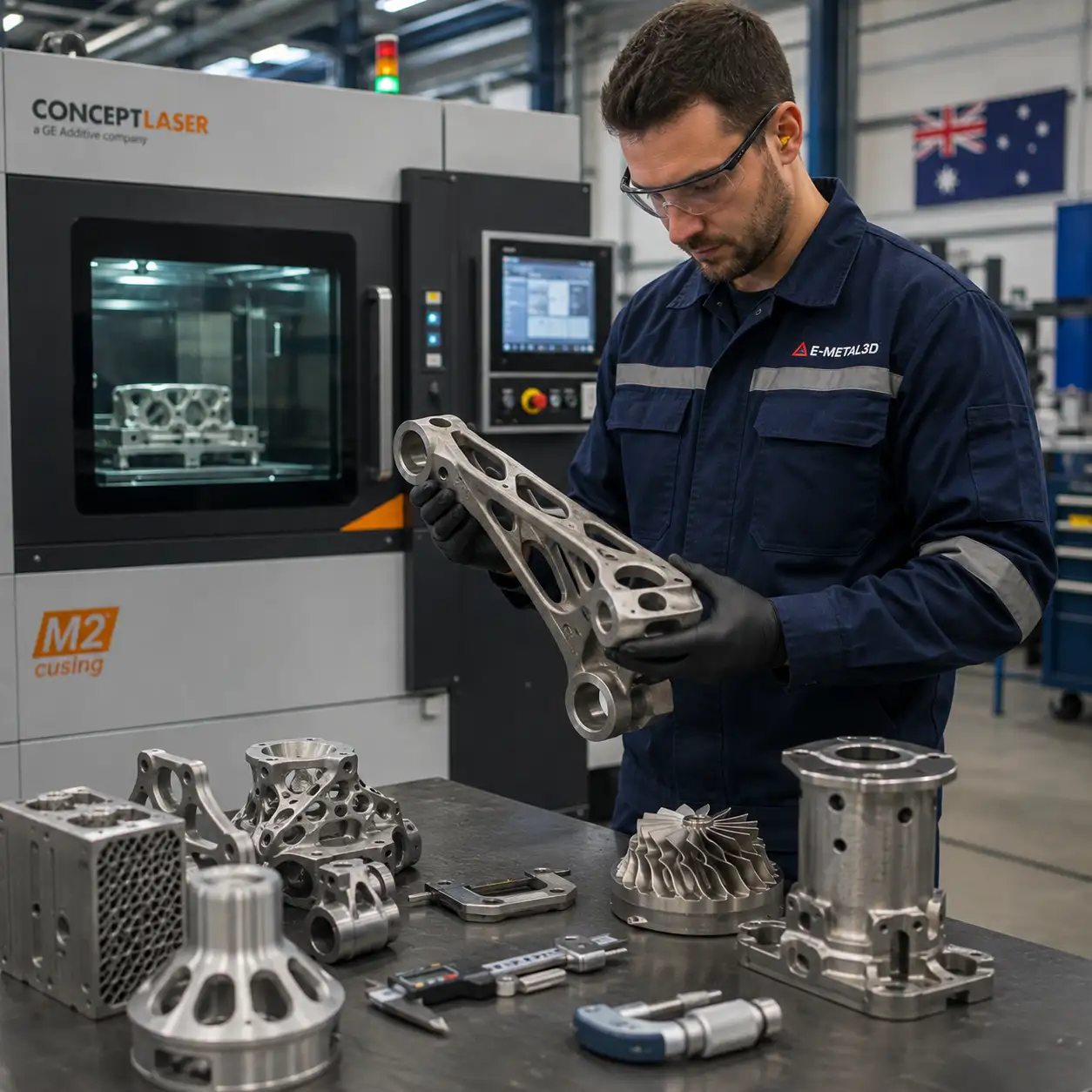
Metal 3D printing in Australia is giving manufacturers, mining companies and engineering businesses a practical way to produce complex, low-volume and difficult-to-source metal components locally. Instead of relying entirely on overseas suppliers, long procurement cycles or obsolete spare parts inventories, Australian companies can combine digital engineering, 3D scanning and additive manufacturing to create production-ready components when they are needed.
For Australia, this capability is particularly relevant. Long supply chains, geographically dispersed industrial operations and ageing equipment can turn a relatively small replacement component into a significant operational problem. When the original part is unavailable, manufacturers can increasingly move from a physical component to a digital model and then to local production.
Metal additive manufacturing will not replace CNC machining, casting or other conventional manufacturing processes. Its value is more specific: producing complex geometries, customised components, prototypes and low-volume metal parts where conventional manufacturing may involve excessive tooling, lead time or supply-chain dependence.
Why Metal 3D Printing Matters in Australia
Australia has a distinctive industrial environment. Manufacturing centres are separated by large distances, major mining operations often operate in remote regions, and many specialised components and manufacturing systems are sourced internationally.
That model works efficiently while the supply chain is operating normally. The problem becomes visible when an urgent replacement part has a lead time measured in weeks or months.
A component does not need to be large or expensive to create a serious production issue. If a specialised bracket, housing, impeller, manifold or machine component prevents an important asset from operating, the commercial impact can be far greater than the cost of the part itself.
This is one reason metal 3D printing in Australia is increasingly relevant to industrial supply-chain strategies. The technology creates an additional manufacturing route for parts that can be produced locally from suitable digital engineering data.
The real change is therefore not simply replacing one manufacturing machine with another. It is changing how companies think about where engineering data is stored, where components are produced and how quickly manufacturing can respond to demand.
From Overseas Supply Chains to Local Metal Manufacturing
Traditional industrial procurement often follows a familiar sequence. A component is identified, a supplier is contacted, availability is confirmed, the part enters production or leaves a warehouse, and it is eventually transported to Australia.
For standard components with reliable suppliers, there may be little reason to change this process.
Specialised and obsolete components are different.
A manufacturer may discover that the original supplier no longer supports a machine. A replacement may require a minimum production quantity. Tooling may no longer exist. In other cases, international manufacturing is possible, but the delivery schedule does not match the operational urgency of the Australian customer.
Local manufacturing can shorten this chain.
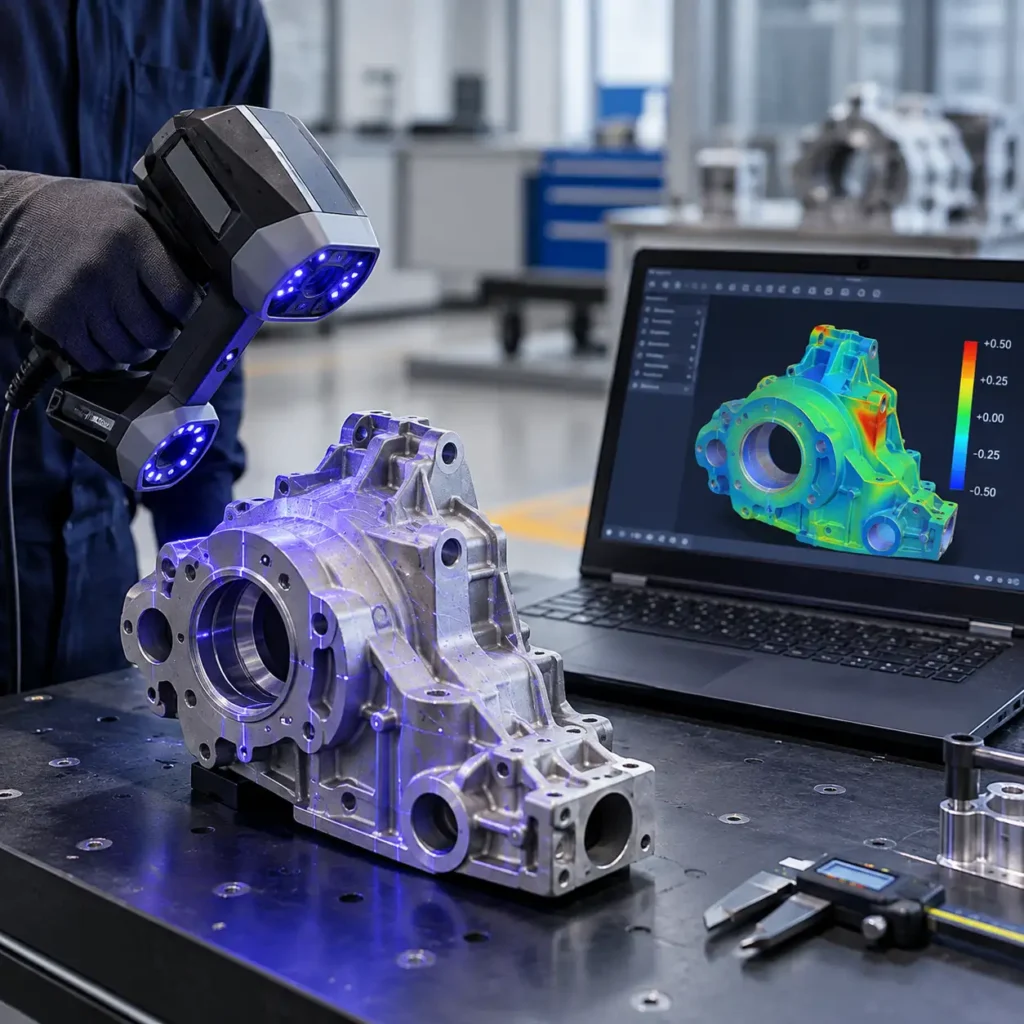
When suitable engineering data already exists, a component can be assessed for production in Australia. When drawings or CAD files are unavailable, an existing physical component can potentially be captured through 3D scanning services and reconstructed through reverse engineering.
The result is not merely a replacement part. The organisation can also recover engineering information that may have been lost during the service life of the equipment.
How 3D Scanning and Reverse Engineering Support Australian Industry
One of the most useful applications of digital manufacturing begins with an existing component rather than a CAD file.
Many industrial businesses operate machinery that has been modified, repaired and maintained over decades. The physical component currently installed on a machine may differ from its original drawing, while the original engineering documentation may no longer be accessible.
Industrial 3D scanning provides a way to capture complex physical geometry and convert it into usable digital reference data.
However, scanning alone does not create a production-ready component.
A used industrial part may contain worn surfaces, deformation, corrosion, previous repairs or damage. Simply copying the scan could reproduce those defects. Reverse engineering requires engineers to interpret the captured geometry and reconstruct the intended component.
A typical workflow can look like this:
Existing Part → 3D Scanning → Reverse Engineering → CAD Reconstruction → Engineering Review → Manufacturing → Inspection
This workflow can be particularly useful in Australia for legacy machinery and imported equipment where replacement components are difficult to obtain.
Once the component has been reconstructed digitally, engineers can also assess whether the original design should be reproduced or improved.
Metal 3D Printing for Australian Manufacturing
Australian manufacturers do not need additive manufacturing for every component.
High-volume, geometrically simple parts may remain better suited to CNC machining, casting, forming or other established manufacturing processes. The business case for additive manufacturing becomes stronger when production volume decreases and geometric or supply-chain complexity increases.
For example, a specialised component may only be required a few times during the operational life of a machine. Producing tooling and maintaining a large inventory for such a component may be inefficient.
Metal additive manufacturing can allow the component to be produced in smaller quantities without the same tooling requirements associated with some conventional processes.
Design complexity creates another advantage.
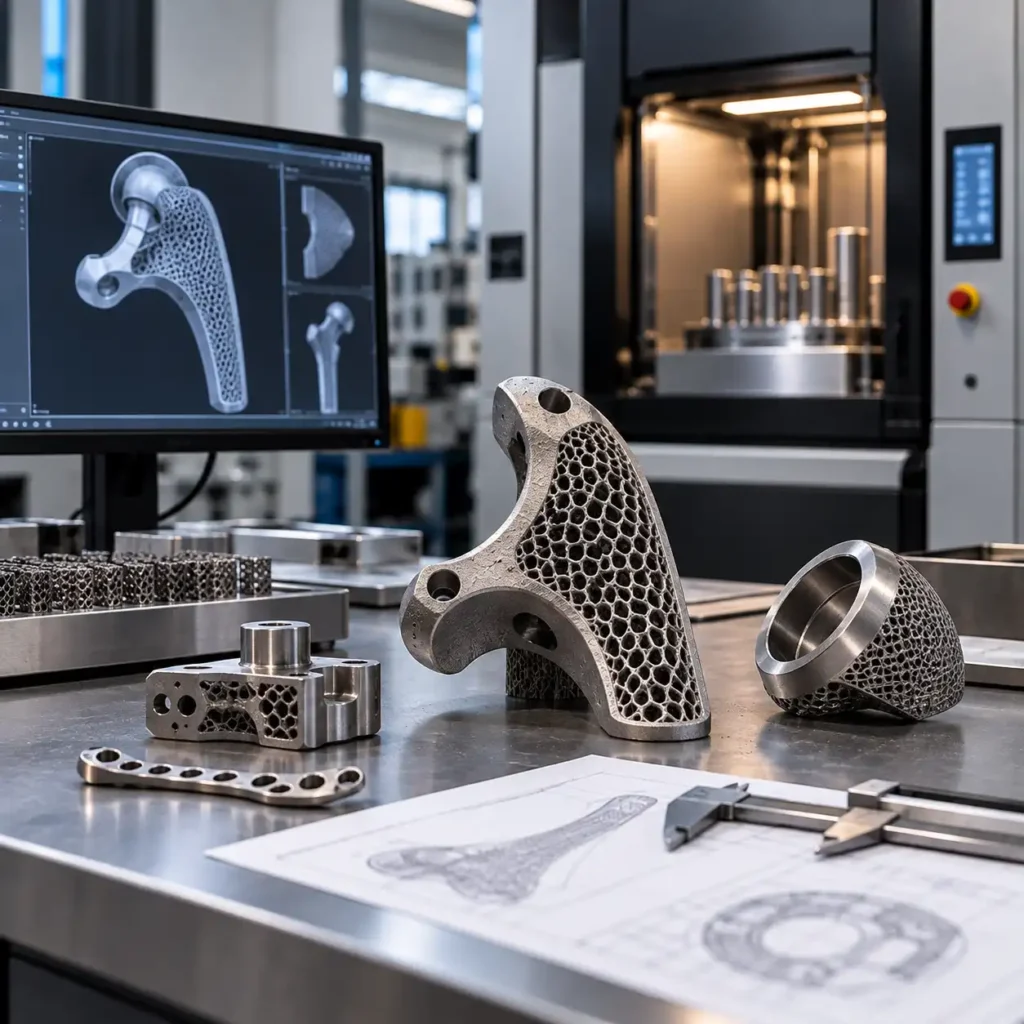
Because metal additive manufacturing builds components layer by layer, engineers can produce geometries that may be difficult or impractical to manufacture conventionally. Internal channels, complex fluid paths, consolidated assemblies and topology-optimised structures are common examples of where additive design can provide additional engineering freedom.
For Australian manufacturing companies, this means the technology should be evaluated not only as a different production method, but also as a tool for solving engineering problems that conventional processes may constrain.
Metal 3D Printing for Australia’s Mining Industry
Mining is one of the clearest Australian use cases for local digital manufacturing.
Mining equipment operates under demanding conditions involving abrasive materials, vibration, mechanical loading, dust, heat and corrosion. At the same time, many operations are located considerable distances from major manufacturing and logistics centres.
When a critical component fails, the cost of the problem can therefore extend well beyond the component itself.
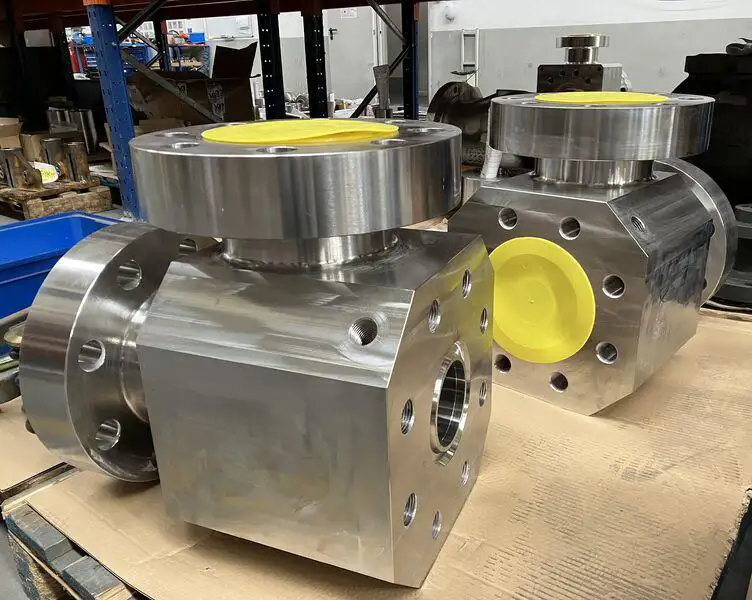
Consider an older piece of mining or mineral-processing equipment. The machine may still be productive, but a required replacement component could have been discontinued years earlier. Importing a replacement may be slow, and producing one conventionally may require engineering drawings or tooling that no longer exists.
An Australian engineering workflow can begin with the physical component.
The part can be scanned, reconstructed into CAD and reviewed to determine its functional geometry and material requirements. Engineers can then assess the most appropriate manufacturing process.
In suitable applications, metal 3D printing for mining equipment can provide an option for producing low-volume replacement components without recreating the entire original supply chain.
Importantly, additive manufacturing should not automatically be selected simply because a part can be printed. Mechanical loading, fatigue, wear, temperature, corrosion, tolerances, post-processing and inspection requirements all need to be considered.
The objective is a component suitable for its intended application, not simply a successful print.
From Spare Parts Warehouses to Digital Inventory in Australia
One of the broader consequences of additive manufacturing is the emergence of digital spare parts.
Industrial organisations have traditionally managed supply risk by holding physical inventory. Critical components are purchased in advance and stored so they are available when equipment fails.
That strategy remains appropriate for many frequently used components. But it can become expensive for specialised parts that may remain in storage for years.
A digital spare parts inventory offers another model.
Instead of storing every suitable component physically, an organisation can maintain controlled engineering information that supports future manufacturing. Depending on the application, this may include CAD data, material specifications, manufacturing requirements, inspection information and revision history.
When a replacement is required, the organisation has a digital starting point rather than beginning the engineering process from zero.
This concept is particularly relevant in Australia because digital information does not face the same geographic constraints as physical inventory.
A validated digital component can support manufacturing decisions closer to the location and time of demand. That does not mean every part can be manufactured anywhere, but it can reduce dependence on the location of the original physical inventory.
For Australian manufacturers and mining companies operating ageing equipment, the combination of digital inventory and local manufacturing could become increasingly important to long-term asset management.
Designing Better Parts Instead of Simply Reproducing Them
Reverse engineering does not always have to end with an identical copy.
Once a physical component has been converted into an editable engineering model, the reason for its previous performance can be examined.
If a component repeatedly fails in the same location, simply manufacturing another identical replacement may reproduce the same problem. Depending on the application, engineers may be able to modify geometry, improve material selection, reduce stress concentrations or redesign features associated with wear.
Additive manufacturing also allows engineers to reconsider how assemblies are constructed.
Several conventionally manufactured components may sometimes be consolidated into a smaller number of parts. Other components may benefit from internal channels, lightweight structures or geometry that would be difficult to produce through subtractive manufacturing alone.
This is where engineering solutions become as important as the printing process itself.
The value is not in turning an existing component into layers of metal. The value comes from understanding its function and selecting a design and manufacturing route appropriate to the operating environment.
Materials for Metal 3D Printing in Australia
Material selection is central to industrial additive manufacturing.
A material should not be selected simply because a metal 3D printing system can process it. The required mechanical properties, operating temperature, corrosion environment, fatigue behaviour, wear conditions and post-processing requirements all need to be considered.
Stainless steels can be appropriate where corrosion resistance and mechanical performance are important. Tool steels can suit selected applications involving hardness and wear. Aluminium alloys can provide advantages where lower mass is required, while nickel-based alloys can be considered for demanding thermal and corrosive environments.
The final properties of a metal additive manufactured component are also influenced by more than the alloy name.
Build parameters, component orientation, support strategy, thermal history, heat treatment, surface finishing and other post-processing operations can affect the final result. Inspection and validation requirements therefore need to be established according to the intended application.
This becomes increasingly important when metal 3D printing moves from prototypes to functional industrial components.
Where Metal 3D Printing Does Not Make Sense
A credible additive manufacturing strategy also requires knowing when not to use it.
If a standard component is available locally at low cost, reproducing it through additive manufacturing is unlikely to provide meaningful value.
Likewise, conventional manufacturing can remain more economical for high-volume production, simple geometries and components already supported by efficient tooling and established supply chains.
Component size can also influence feasibility. A very large, simple metal part may be technically printable but commercially unsuitable for a particular additive process.
The correct question is therefore not:
Can this part be 3D printed?
A more useful question is:
What is the most appropriate manufacturing process for this component, quantity, lead time and engineering requirement in Australia?
Sometimes the answer will be metal additive manufacturing. Sometimes it will be CNC machining or another conventional process. In other cases, a hybrid manufacturing approach may provide the best result.
The Future of Metal 3D Printing in Australia
The long-term impact of metal 3D printing in Australia is likely to extend beyond individual printed components.
The more significant change is the connection between physical industrial assets and digital manufacturing systems.
A component can be scanned in Australia, reconstructed as an engineering model, evaluated digitally, redesigned where appropriate and manufactured through the most suitable process. Its engineering data can then remain available for future requirements.
That creates a very different industrial model from one based exclusively on physical inventories and fixed international supply chains.
For Australian manufacturing, mining, oil and gas and other engineering-intensive industries, the opportunity is not to replace conventional manufacturing. It is to add a flexible local manufacturing capability to the existing industrial ecosystem.
As digital engineering, 3D scanning, reverse engineering and additive manufacturing become increasingly connected, Australian companies can make more informed decisions about which parts should be imported, which should remain in physical inventory and which can be manufactured locally when required.
For companies investigating a difficult-to-source component, obsolete spare part or new metal additive manufacturing application, E-Metal3D can assess the component from the scanning and engineering stage through to manufacturing and post-processing.
What is metal 3D printing in Australia used for?
Metal 3D printing in Australia can be used for functional prototypes, customised components, complex engineering parts, low-volume production and selected replacement components for industries including manufacturing and mining.
Can metal 3D printing be used to manufacture spare parts in Australia?
Yes, where the component is technically and commercially suitable. Existing components can also be 3D scanned and reverse engineered when reliable CAD files or original drawings are unavailable.
Is metal 3D printing suitable for Australian mining equipment?
It can be suitable for selected mining components, particularly low-volume, obsolete or difficult-to-source parts. Material requirements, loading, wear, operating conditions, post-processing and inspection need to be evaluated before manufacturing.
Can an old component be reproduced without its original CAD file?
Potentially, yes. Industrial 3D scanning can capture the physical geometry of an existing component. Reverse engineering can then be used to reconstruct a CAD model while accounting for wear, damage and functional requirements.
Is metal 3D printing faster than CNC machining?
Not necessarily. The most efficient process depends on geometry, material, quantity, tolerances and required lead time. Additive manufacturing can have an advantage for certain complex and low-volume components, while CNC machining remains preferable for many other parts.
What metals can be 3D printed in Australia?
Industrial metal additive manufacturing can process a range of alloys, including selected stainless steels, aluminium alloys, tool steels, titanium alloys and nickel-based alloys. Material availability and suitability depend on the manufacturing process and application.
Can metal 3D printing reduce Australia’s dependence on imported spare parts?
For suitable components, local additive manufacturing can reduce reliance on particular imported parts and long international supply chains. It should be considered as one element of a broader local manufacturing and digital inventory strategy.