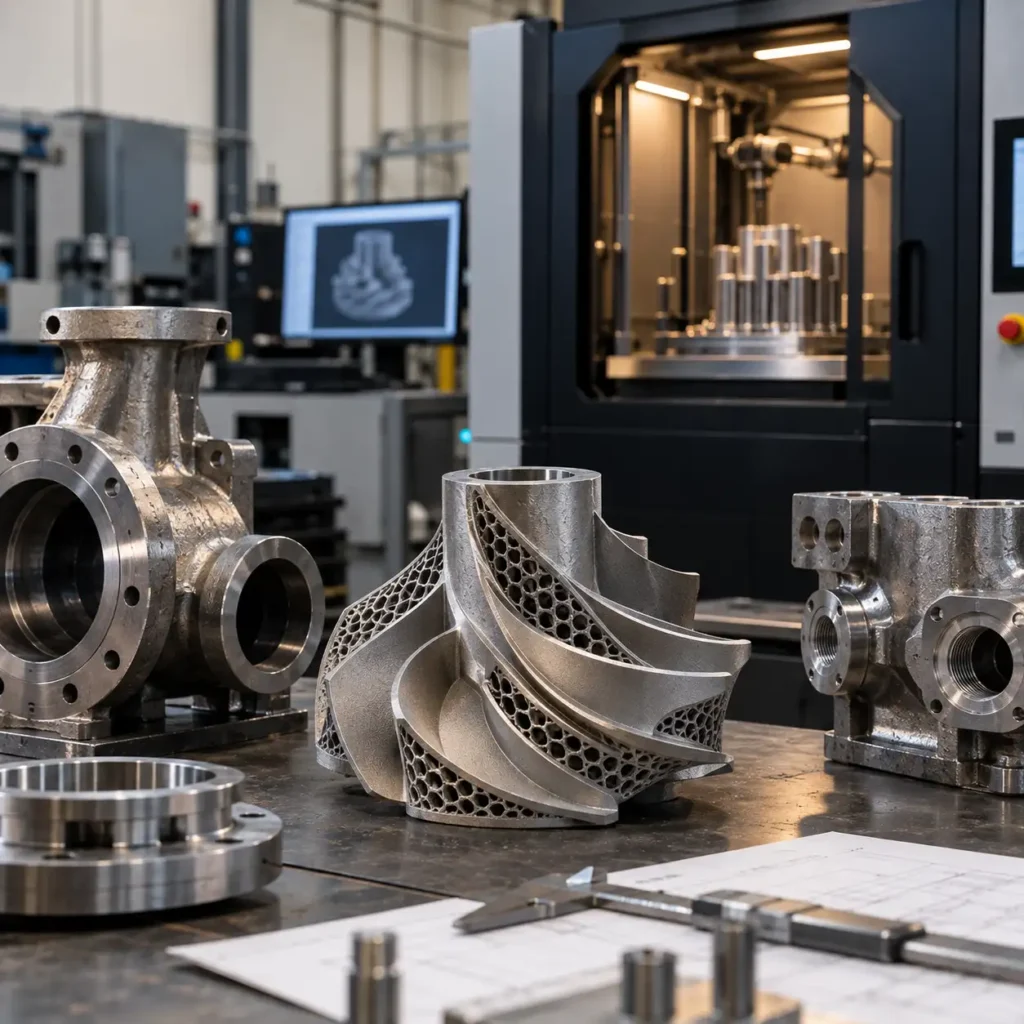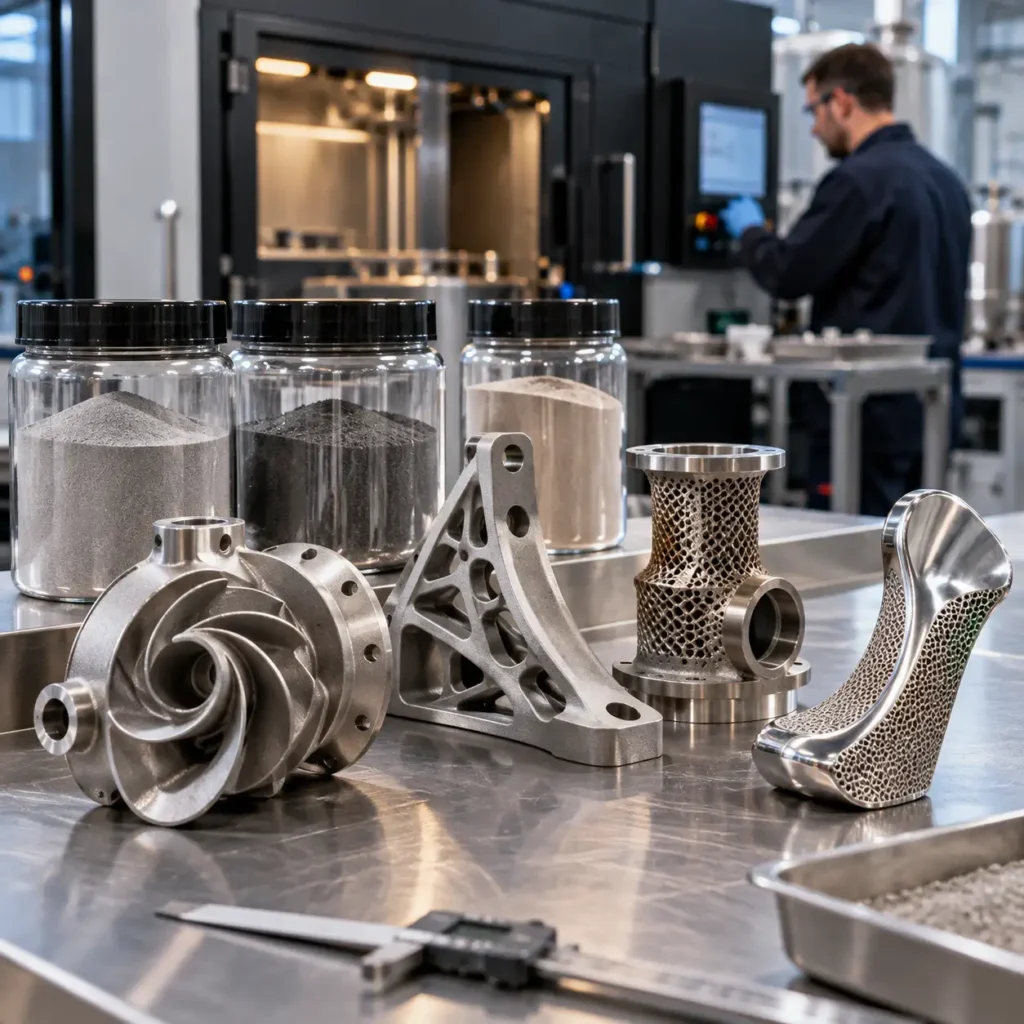
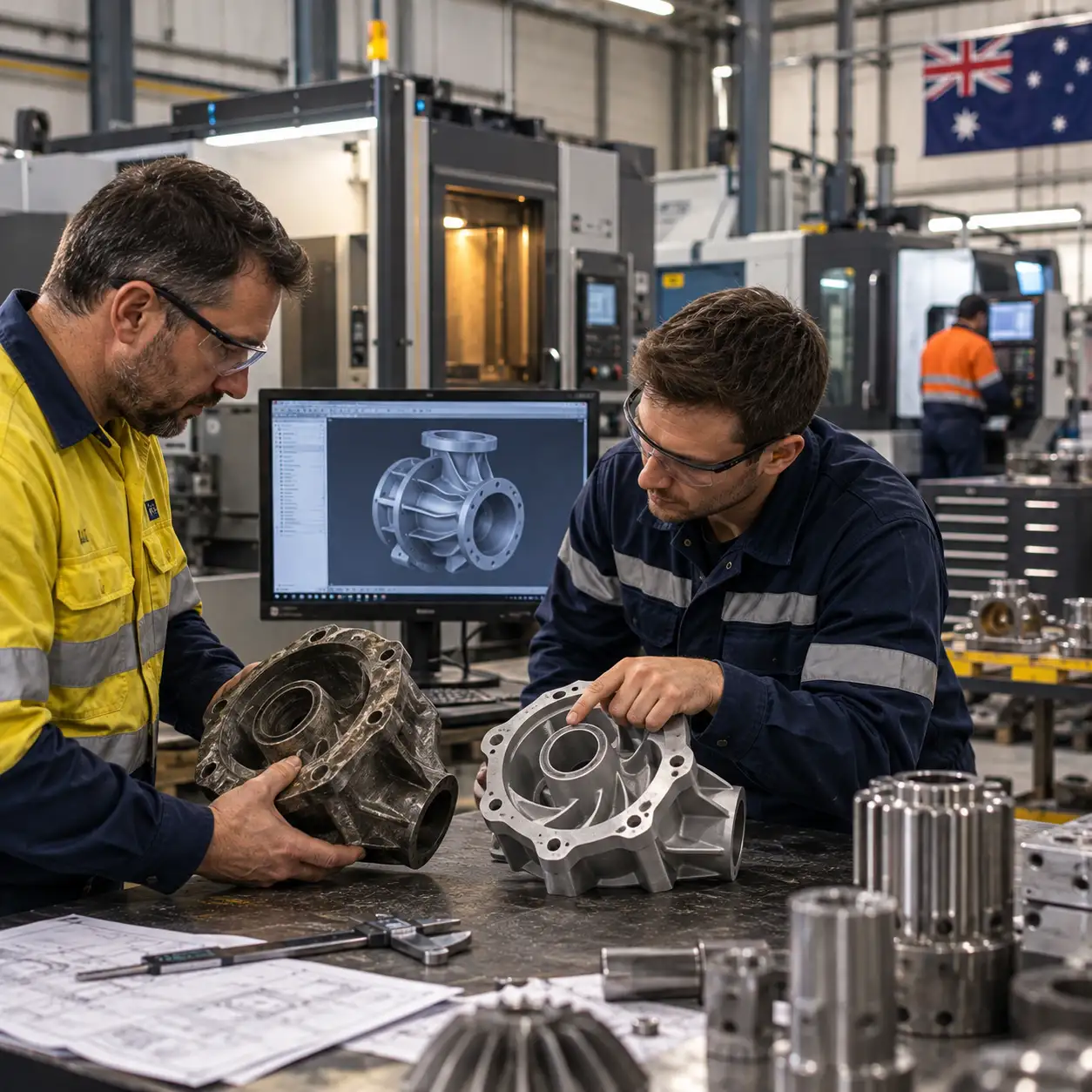
Australian manufacturers and mining companies can use on-demand manufacturing in Australia to reduce long spare-parts lead times, support ageing equipment and manufacture selected components locally when they are actually required. Instead of relying entirely on overseas suppliers or storing rarely used parts for years, companies can combine 3D scanning, reverse engineering, digital inventory and metal 3D printing to create a more responsive spare-parts strategy.
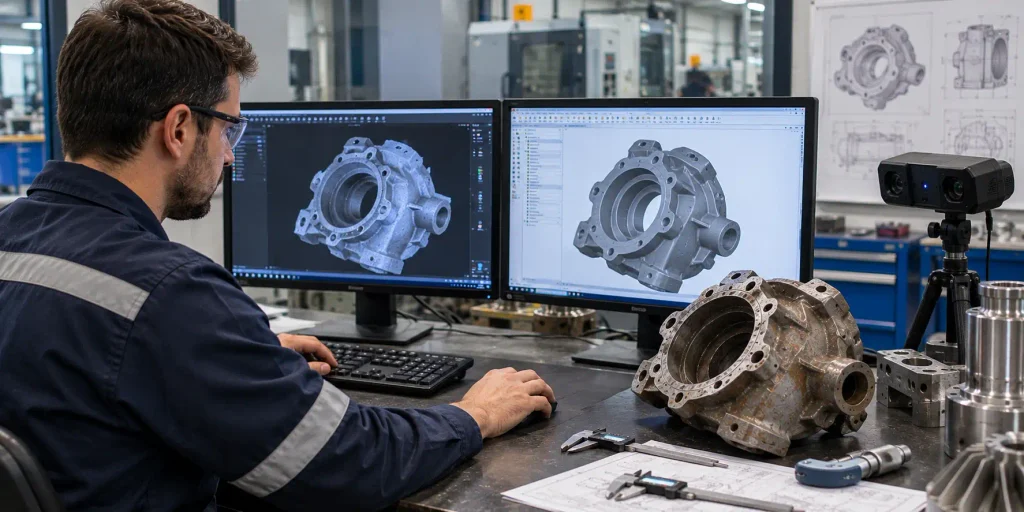
The biggest opportunity is not simply faster 3D printing. It is the ability to turn an existing physical component into controlled engineering data, select the right manufacturing process, and produce a replacement in Australia when conventional procurement becomes too slow or the original part is no longer available.
This approach is particularly relevant to Australian mining and manufacturing operations, where equipment downtime can be costly and specialised components may need to travel through long international supply chains. Not every spare part should be manufactured on demand, but for obsolete, low-volume, customised and difficult-to-source components, local digital manufacturing can provide a valuable alternative.
Why On-Demand Manufacturing Matters in Australia
Australia presents an unusual combination of advanced industrial operations and geographic distance.
Mining sites, processing facilities and manufacturing operations may rely on equipment designed and manufactured overseas. As long as replacement components remain readily available, this arrangement can work effectively. The challenge begins when a critical part is discontinued, has an extended production lead time or must travel internationally before a machine can return to service.
In these situations, the purchase price of the replacement component may represent only a small part of the real cost.
Production delays, idle equipment, emergency freight and maintenance labour can all increase the impact of a relatively simple component failure.
This is where on-demand manufacturing changes the question.
Instead of asking:
“Where can we buy this part?”
an engineering team can also ask:
“Can this part be manufactured locally in Australia?”
That distinction becomes increasingly important as 3D scanning, reverse engineering and advanced manufacturing make it possible to reconstruct components even when original engineering data is incomplete or unavailable.
What Is On-Demand Manufacturing?
On-demand manufacturing is a production model in which components are manufactured in response to an actual requirement rather than produced in large quantities and held indefinitely in physical inventory.
The concept is not limited to additive manufacturing.
Depending on the component, an on-demand workflow may involve CNC machining, metal 3D printing, fabrication or a combination of processes. The appropriate method depends on geometry, material, quantity, tolerances, operating conditions and required lead time.
What makes the model increasingly practical is the availability of digital engineering data.
If a validated CAD model and manufacturing information already exist, production can begin without recreating the component from the beginning each time it is required.
When that information does not exist, the physical component itself can become the starting point.
From a Physical Spare Part to Manufacturing Data
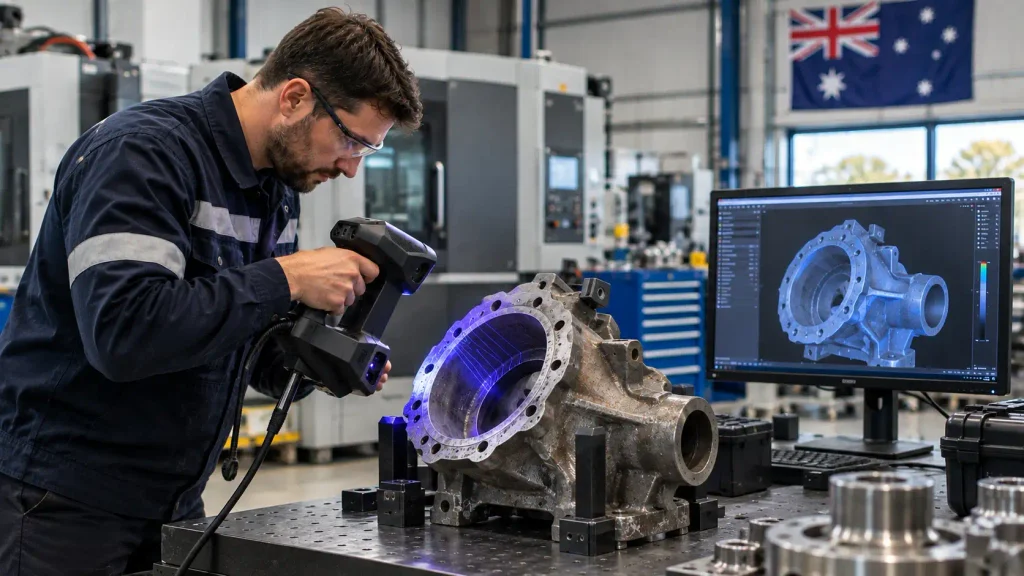
Many industrial components still operating across Australia were designed years or even decades ago.
The equipment may remain productive, while the documentation required to manufacture its individual components has disappeared. Drawings may be incomplete, CAD files may no longer be accessible, and the original supplier may no longer support the product.
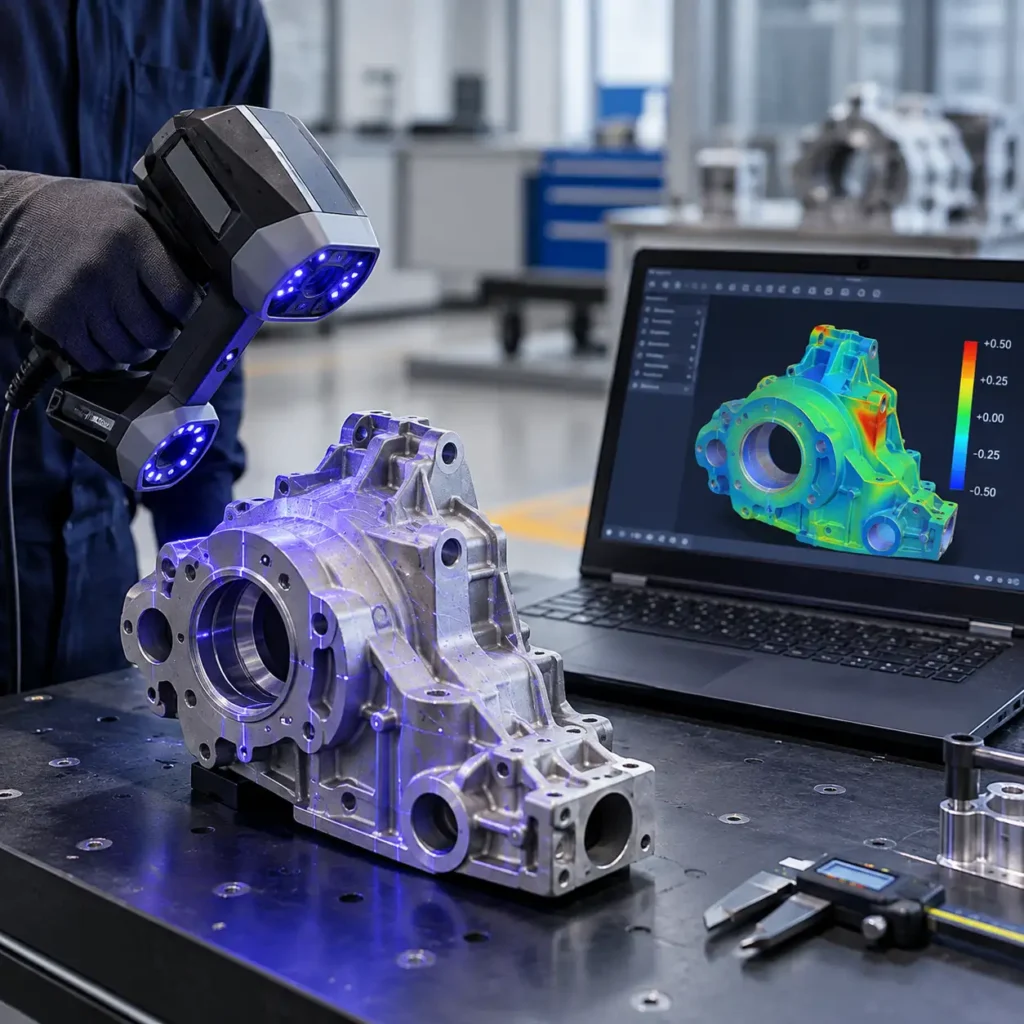
Industrial 3D scanning services provide one way to recover the geometry of an existing component.
A scanner captures the physical surfaces of the part and creates detailed three-dimensional data. Engineers can then use that information as a reference for reverse engineering and CAD reconstruction.
But an important distinction needs to be made: a scan is not automatically a manufacturing-ready model.
Imagine a pump component that has operated for years in an abrasive environment. Its surfaces may be worn, holes may have enlarged and mating features may have changed dimension.
Manufacturing an exact copy of the scan could therefore reproduce years of wear.
Reverse engineering requires the captured geometry to be interpreted. Engineers need to determine the intended dimensions, interfaces and functional features before creating a model suitable for manufacturing.
A typical workflow may look like this:
Existing Component → Inspection → 3D Scanning → Reverse Engineering → CAD Reconstruction → Engineering Validation → Manufacturing → Inspection
Once completed, that process creates something potentially more valuable than a single replacement component: reusable engineering data.
How Digital Spare Parts Change the Inventory Model
Traditional spare-parts management is built around physical availability.
If a component is considered important enough, a company purchases one or more replacements and keeps them in storage. This works well for frequently used parts and components where immediate availability is essential.
The economics become less attractive for parts that are expensive, rarely required or difficult to predict.
A component may remain untouched in a warehouse for ten years. Another may become obsolete before the spare is ever installed. Across large industrial operations, the cumulative cost of maintaining this type of inventory can become significant.
A digital spare parts inventory provides another option.
Instead of relying exclusively on physical stock, selected components can be represented by controlled digital engineering information. When a replacement is required, that data provides the foundation for manufacturing.
For Australian companies, this concept has an additional advantage: digital engineering information can be transferred far more easily than physical inventory.
The component still needs to be manufactured using appropriate equipment, materials and quality controls, but the engineering data no longer needs to travel from an overseas warehouse.
This creates the possibility of shifting selected spare parts from:
Store → Wait → Replace
toward:
Digitise → Validate → Manufacture When Required
The strongest strategy will usually combine both models rather than attempting to eliminate physical inventory completely.
Where Metal 3D Printing Fits Into On-Demand Manufacturing
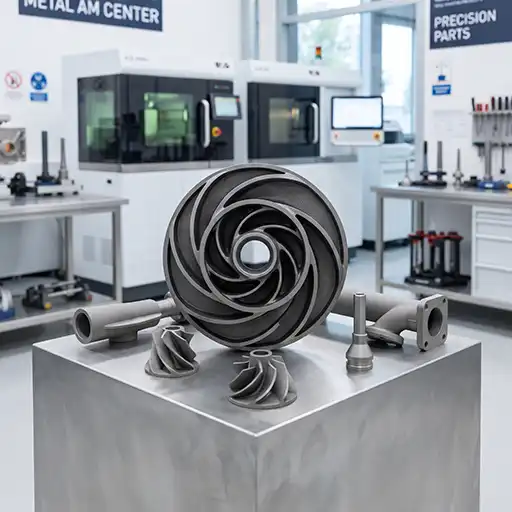
Metal additive manufacturing becomes particularly interesting when a component is complex, required in low quantities or difficult to produce economically using tooling-dependent processes.
Unlike subtractive manufacturing, which removes material from a larger piece, metal 3D printing builds a component layer by layer from digital geometry.
This provides additional design freedom.
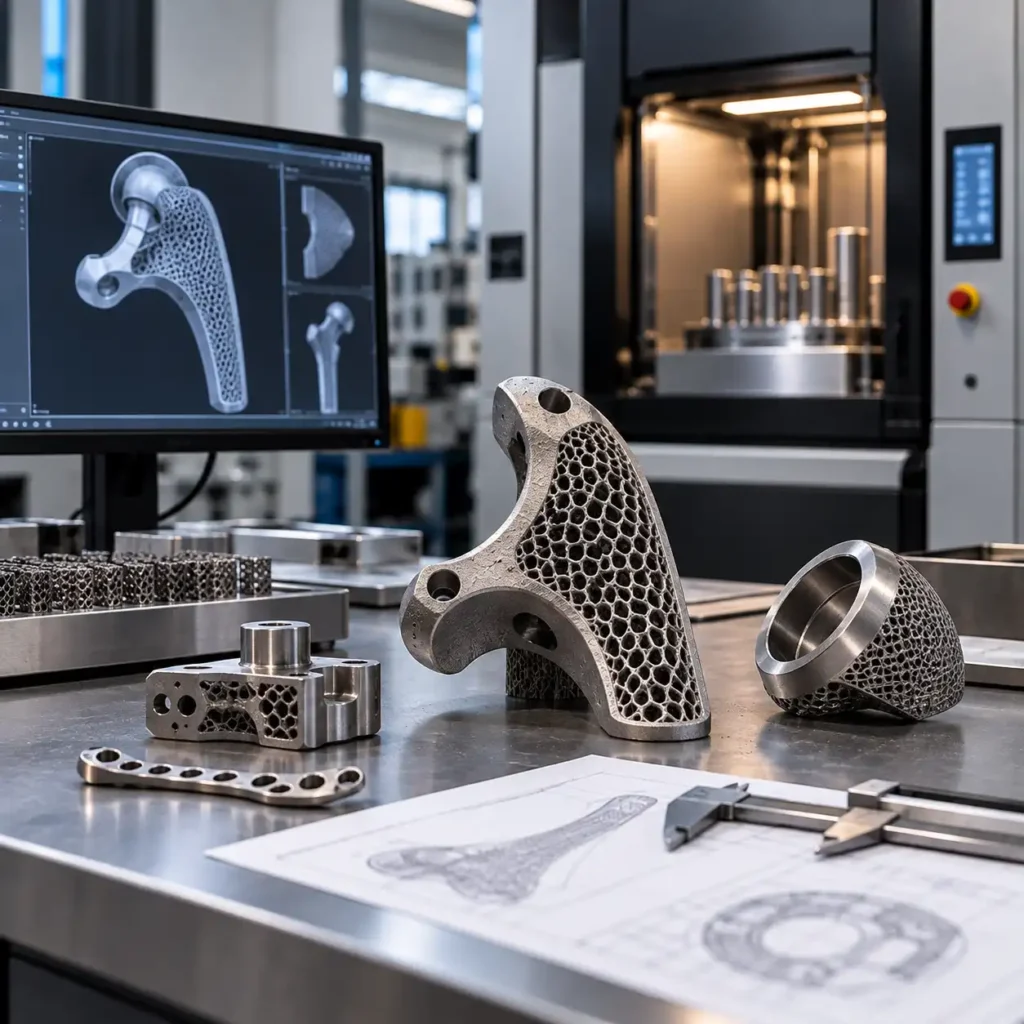
Internal channels, complex fluid paths, lightweight structures and consolidated assemblies can potentially be produced without many of the geometric limitations associated with conventional tooling.
For replacement parts, however, complexity is only one consideration.
Suppose an Australian manufacturer needs two specialised metal components for an older production system. The original supplier no longer carries them, and conventional production would require new tooling before the first component could be made.
If the components are technically suitable for metal additive manufacturing, producing the required quantity directly from validated digital data may offer a more practical route.
In another case, CNC machining might still be faster and less expensive.
The purpose of an effective engineering solution is therefore not to force every component into additive manufacturing. It is to evaluate the part and select the most appropriate production route.
On-Demand Spare Parts for Australian Mining
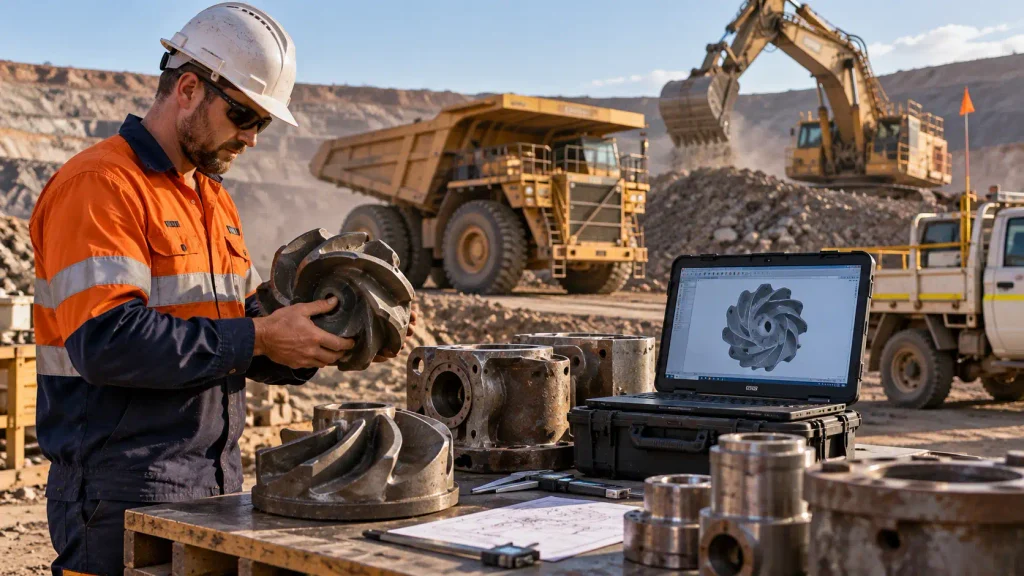
The business case becomes especially interesting in Australia’s mining sector.
Mining and mineral-processing equipment operates under demanding conditions. Components can be exposed to abrasive materials, impact, vibration, corrosion, heat and significant mechanical loads.
Many operations are also geographically remote.
When a critical component fails, the problem may therefore involve three separate challenges: identifying the correct replacement, sourcing it, and transporting it to where it is needed.
Older equipment adds another layer of difficulty.
A crusher, pump, conveyor system or processing machine can remain operational long after individual components have been discontinued by the original manufacturer.
For selected mining equipment components, a digital manufacturing workflow can provide another route.
If a usable component exists, it can potentially be scanned and reconstructed. The resulting model can then be evaluated against its operating requirements and an appropriate manufacturing method selected.
This does not mean every mining component should be 3D printed.
Safety-critical and heavily loaded parts require careful consideration of material properties, fatigue, wear, heat treatment, post-processing, inspection and any applicable engineering requirements.
The value of on-demand manufacturing is not that these requirements disappear. It is that the organisation may no longer be limited to waiting for the original international supply chain before manufacturing can begin.
Australian Manufacturing and Legacy Equipment
The same issue exists in Australian manufacturing facilities.
Industrial machinery often has a much longer useful life than the commercial support period of its individual components.
A production line may contain imported equipment installed many years earlier. Mechanically, the system may still perform well. Commercially, however, the supply chain supporting it may have changed completely.
When one specialised component fails, replacing the entire machine because a spare part is unavailable is an inefficient outcome.
Reverse engineering and local manufacturing can extend the options available to maintenance teams.
A physical component can be digitised while it is still available, creating a reference that may support future production. This is particularly valuable when a business already knows that an important machine is approaching the end of OEM support.
Rather than waiting for a breakdown, manufacturers can identify vulnerable components in advance and assess whether they are candidates for digitisation.
That moves spare-parts management from a reactive maintenance activity toward a more deliberate engineering strategy.
Reproducing a Part Is Not Always the Best Answer
One of the most interesting opportunities appears after a legacy component has been converted into CAD.
At this stage, engineers are no longer limited to reproducing exactly what was manufactured years earlier.
Suppose a component repeatedly fails in the same region.
If the geometry is simply copied and another identical part manufactured, the same failure mechanism may remain.
With an editable engineering model, the component can potentially be analysed and modified. Depending on its function, engineers may investigate geometry, material, stress concentration, wear surfaces or other factors affecting service life.
Metal additive manufacturing can expand those design options further.
Some assemblies can potentially be consolidated into fewer components. Internal passages can be redesigned. Material can be removed from low-stress regions to reduce mass while being retained where structural performance is required.
This is the difference between reverse engineering and simple copying.
The objective should not necessarily be to reproduce the old component. It should be to create the correct component for the application.
Which Spare Parts Are Good Candidates?
Not every component should become a digital spare part or be manufactured on demand.
Standard bearings, fasteners and widely available commercial components are obvious examples. If a part can be sourced reliably and inexpensively in Australia, recreating it provides little benefit.
The strongest candidates tend to share several characteristics.
They may be obsolete or approaching obsolescence. They may have long international lead times, low or unpredictable demand, high inventory costs or a disproportionate impact on operations when unavailable.
Complex components required in very small quantities can also be attractive candidates, particularly where conventional manufacturing requires expensive tooling.
The decision should consider more than manufacturing cost.
Engineers and procurement teams should examine the cost of downtime, supplier risk, expected future demand, remaining equipment life and the engineering effort required to validate a replacement.
This is why digital spare-parts programs work best when maintenance, engineering and procurement teams evaluate candidates together.
When Conventional Manufacturing Is Still Better
On-demand manufacturing should not be confused with “3D print everything locally.”
There are many situations where conventional manufacturing remains the better choice.
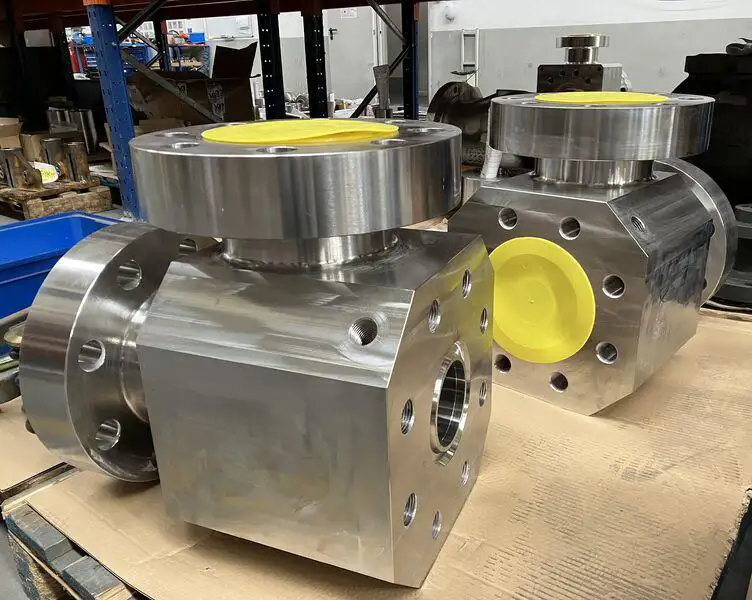
CNC machining is highly effective for many precision metal components. Casting can provide excellent economics at suitable production volumes. Fabrication remains appropriate for many large structures and assemblies.
If a conventional Australian supplier can produce a component quickly and economically, there may be no reason to use additive manufacturing.
Metal 3D printing becomes valuable when its specific capabilities solve a real manufacturing or supply-chain problem.
The decision should therefore consider four questions:
What does the component need to do?
How many are required?
How quickly are they required?
Which manufacturing process can meet those requirements most effectively?
Technology comes after those questions, not before them.
Building a More Resilient Australian Spare-Parts Strategy
The future of industrial spare parts in Australia is unlikely to be entirely physical or entirely digital.
A more realistic model combines both.
Frequently replaced and highly critical components can remain physically stocked. Standard commercial parts can continue to come through established suppliers. Complex, obsolete and low-demand components can be evaluated for digital inventory and on-demand manufacturing.
The result is a more flexible supply network.
3D scanning can recover missing geometry. Reverse engineering can convert physical components into controlled CAD models. Engineering analysis can determine whether a component should be reproduced or improved. Metal additive manufacturing and conventional processes can then compete for the final production decision.
For Australian manufacturers and mining companies, the significance is larger than any individual technology.
The objective is to make the engineering data portable, the manufacturing decision flexible and the supply of critical components less dependent on a single source.
E-Metal3D supports this workflow across 3D scanning, reverse engineering, engineering and metal additive manufacturing. For organisations dealing with obsolete or difficult-to-source components, the first step is to assess the existing part, its operating requirements and whether local on-demand manufacturing is technically and commercially appropriate.
What is on-demand manufacturing in Australia?
On-demand manufacturing is the production of components when they are required rather than manufacturing large quantities in advance. In Australia, it can combine local CNC machining, metal 3D printing, 3D scanning and reverse engineering to support low-volume and difficult-to-source industrial components.
Can obsolete spare parts be manufactured in Australia?
Potentially, yes. If an original CAD model is unavailable, an existing component may be 3D scanned and reverse engineered. The resulting engineering model must then be assessed for material, dimensional and functional requirements before manufacturing.
Can 3D scanning recreate a broken industrial component?
3D scanning can capture the available geometry, but the scan alone may not represent the original design. Wear, deformation and damage need to be considered during reverse engineering before a production-ready CAD model is created.
Is metal 3D printing suitable for spare parts?
It can be particularly useful for selected complex, customised and low-volume components. However, CNC machining or another conventional manufacturing process may be more appropriate for other spare parts.
Can on-demand manufacturing reduce spare-parts inventory?
For suitable components, yes. Maintaining validated digital manufacturing information can reduce the need to hold certain rarely used parts physically. Frequently required and highly critical components may still need to remain in stock.
Is on-demand manufacturing useful for Australian mining companies?
It can be valuable where mining equipment relies on obsolete, specialised or difficult-to-source components. Local manufacturing can provide an additional supply option, although engineering, material, inspection and safety requirements still apply.