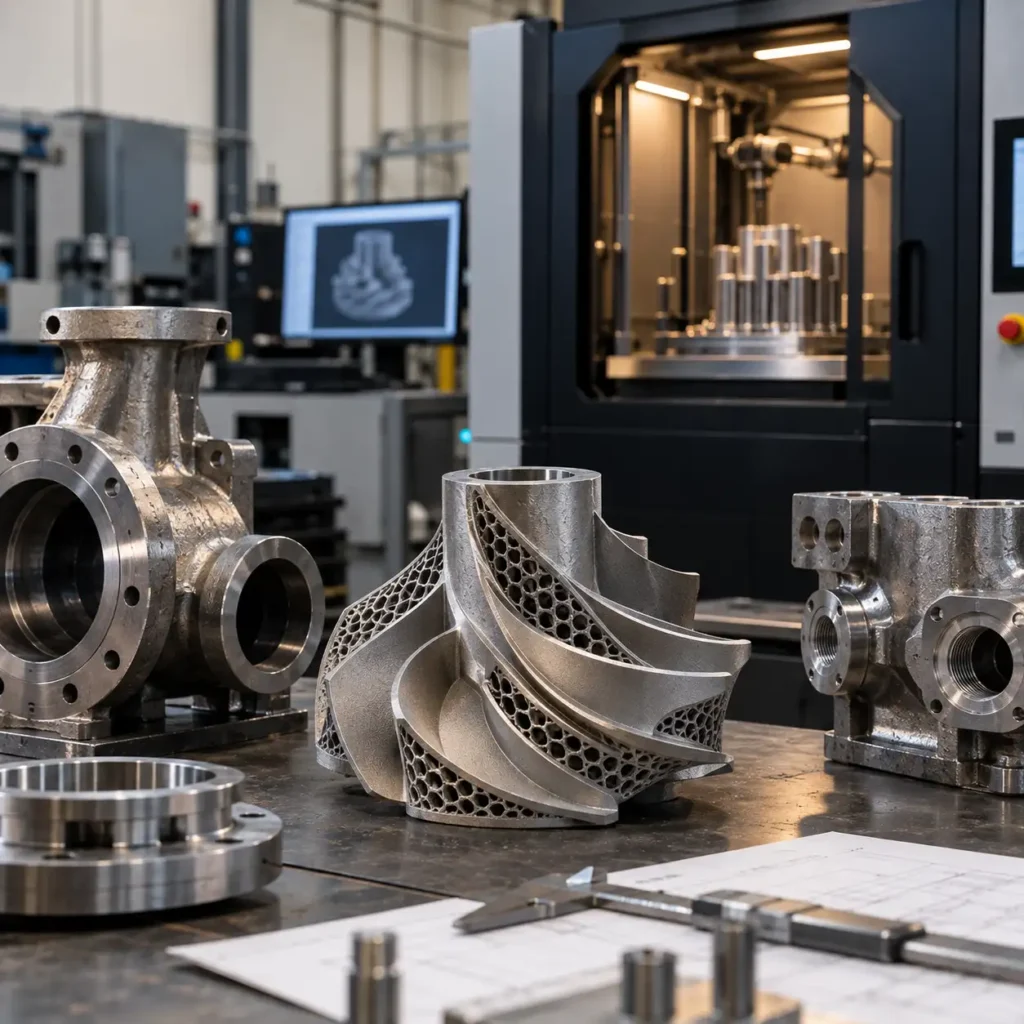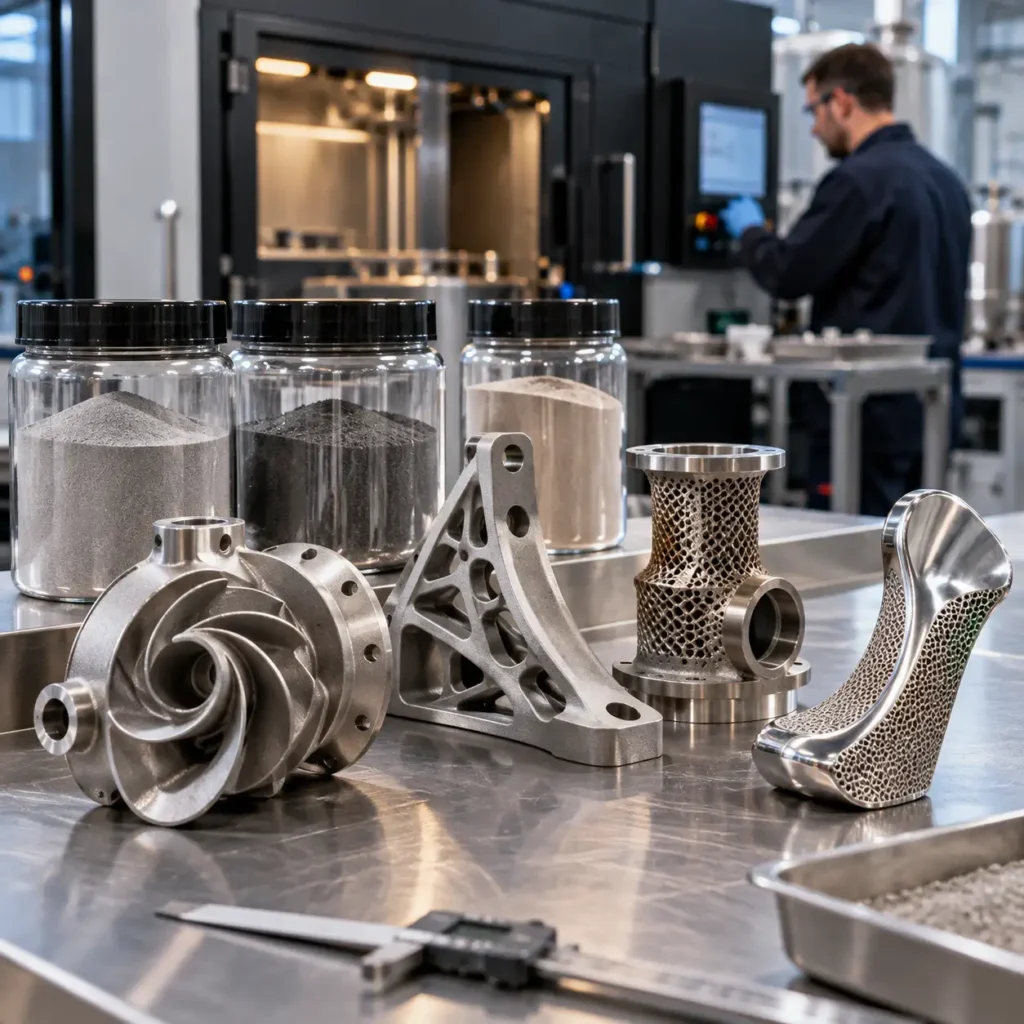
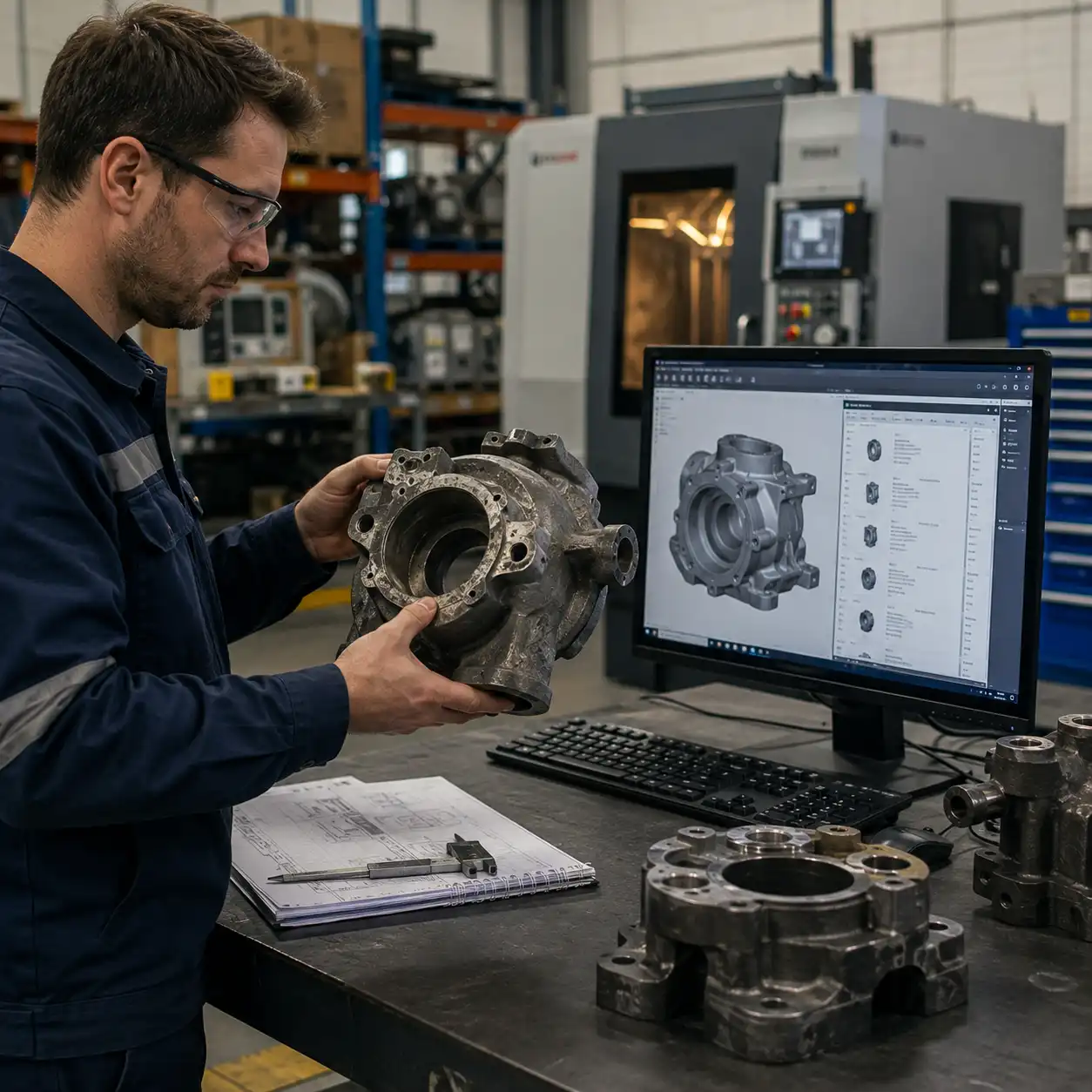
Australian manufacturers can reduce their dependence on large physical spare parts inventories by moving suitable components into a digital spare parts workflow. Instead of keeping every low-volume or rarely used replacement part on a warehouse shelf, companies can maintain controlled digital manufacturing data and produce selected components when they are actually required.
Digital spare parts are particularly relevant to legacy equipment, obsolete components, specialised machinery and parts with long or unreliable supply chains. Technologies such as 3D scanning, reverse engineering and metal additive manufacturing make it possible to recreate missing engineering data, validate a component digitally and manufacture suitable parts on demand.
This does not mean eliminating physical inventory. Critical high-use components may still need to remain in stock. The opportunity is to identify parts where storing digital manufacturing data can provide a more practical alternative to purchasing, transporting and holding physical inventory for years.
Why Physical Spare Parts Inventories Are Becoming More Difficult to Manage
Spare parts availability is an operational issue long before it becomes a manufacturing issue. A machine may remain productive for decades, while the supply chain supporting it can change much sooner. Original equipment manufacturers discontinue components, suppliers consolidate product lines, minimum order quantities increase and imported parts can become subject to unpredictable lead times.
Manufacturers often respond by keeping additional replacement parts in stock. This reduces some supply risk, but it creates another problem: capital becomes tied up in components that may sit unused for years. Warehouses also require space, inventory management and ongoing decisions about which parts are still worth keeping.
The problem becomes more pronounced with legacy equipment. A machine can remain mechanically useful even after its original replacement parts become difficult to obtain. In some cases, the company may possess the physical component but no longer have access to its original CAD model or manufacturing drawings.
For Australian manufacturers, geography adds another consideration. Specialised parts sourced internationally may need to travel significant distances before reaching the facility where they are required. When an unexpected component failure stops production, procurement lead time can become part of the cost of downtime.
Digital inventory offers a different way to approach selected parts. Rather than asking only how many physical replacements should be stored, manufacturers can also ask which components could be maintained as validated digital assets and produced when demand occurs.
What Is a Digital Spare Parts Inventory?
A digital spare parts inventory is not simply a folder containing CAD files.
For a digital component to have practical manufacturing value, the information associated with it needs to be sufficient to reproduce the required part reliably. Depending on the application, this can include geometry, dimensional requirements, material specifications, manufacturing information, inspection requirements and revision history.
The objective is to create a controlled digital representation of a component that can support future production.
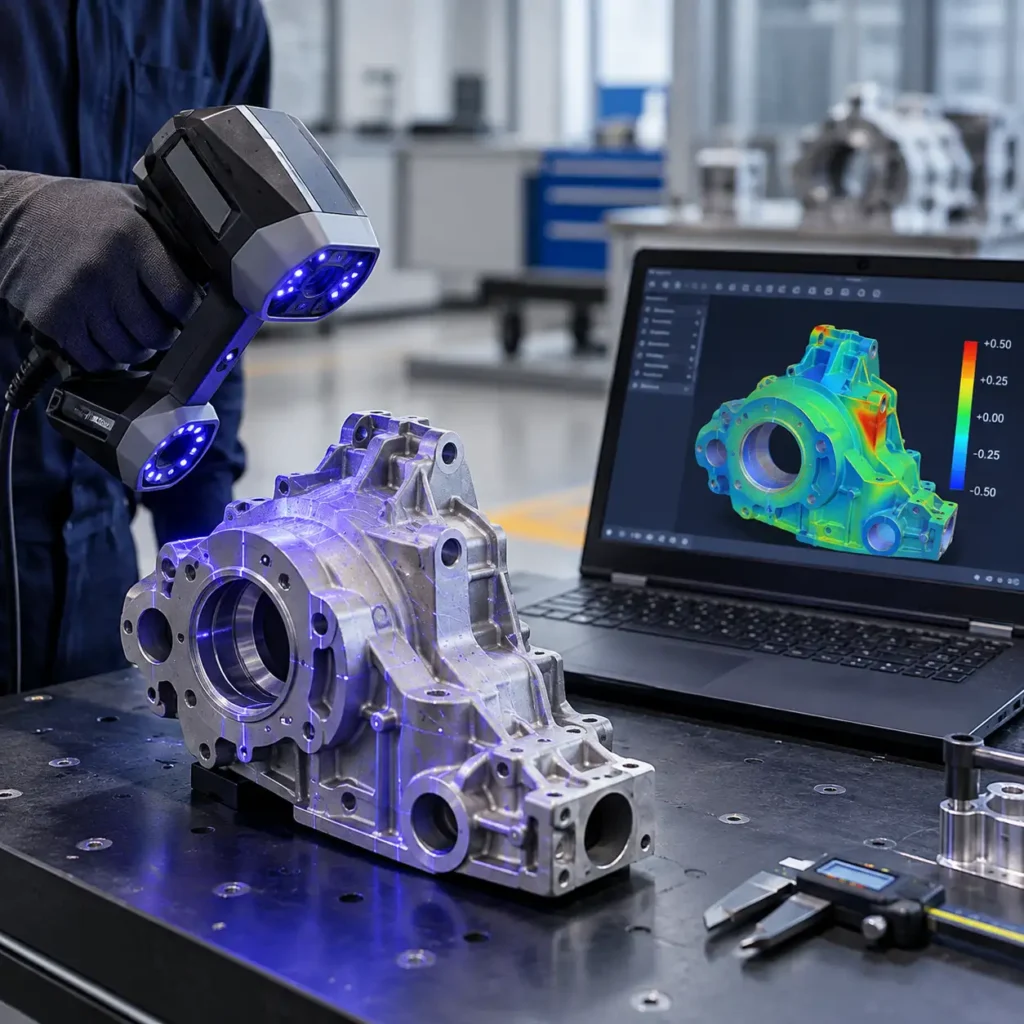
If the original CAD data already exists and is reliable, the process can begin with that information. When it does not, 3D scanning services can capture the geometry of an existing component and provide the starting point for reverse engineering.
The scan itself is not necessarily the final manufacturing model. Wear, damage and previous modifications may all be present on a component that has spent years in service. Engineers need to interpret the captured geometry and determine which features represent the intended design.
This is where digital inventory becomes an engineering discipline rather than simply a data-storage exercise. The quality of the digital asset determines whether it can eventually support a reliable physical replacement.
How Physical Components Become Digital Spare Parts
For a legacy component without reliable drawings, the process often begins with the best available physical example.
The component can first be inspected to understand its condition and identify areas of wear, damage or deformation. It can then be digitally captured using an appropriate scanning or measurement method.
The resulting scan data provides a geometric reference from which a CAD model can be reconstructed. Through reverse engineering, relevant surfaces, holes, interfaces and functional features can be recreated while accounting for the condition of the original part.
The workflow can be represented simply as:
Physical Component → 3D Scanning → Reverse Engineering → CAD Model → Engineering Validation → Manufacturing Data → Digital Inventory
Engineering validation is a critical part of that sequence. A damaged component should not simply be scanned and duplicated. If a bearing seat has worn, a flange has distorted or a surface has been repaired during service, reproducing the measured geometry exactly could reproduce the defect as well.
Effective engineering solutions therefore require the digital model to be considered in the context of the component’s function. Critical interfaces, tolerances, material requirements and operating conditions may all influence the final manufacturing data.
Once the component has been reconstructed and appropriately validated, the digital information can be retained for future use rather than repeating the reverse-engineering process every time another replacement is required.
Where Metal 3D Printing Fits Into Digital Spare Parts
Creating a digital inventory does not mean every component should be 3D printed.
A validated CAD model can potentially support several manufacturing methods. CNC machining, fabrication, casting or another conventional process may still provide the best combination of cost, quality and lead time for a particular part.
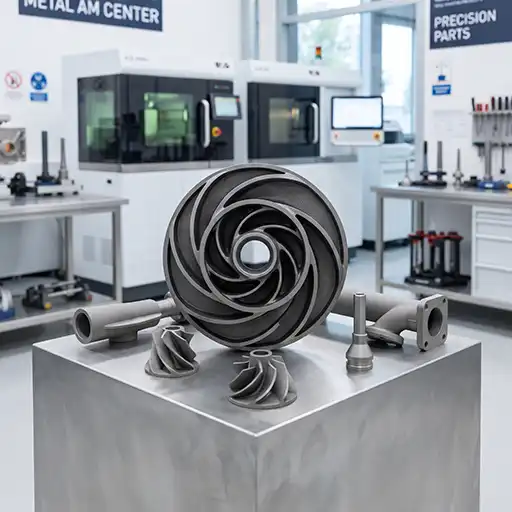
The value of metal 3D printing becomes more apparent when conventional production is constrained by tooling, complexity, low quantities or long supply chains.
Consider a specialised metal component that is required only occasionally. Producing and storing a large batch may make little commercial sense, particularly if future demand is uncertain. If the component is technically suitable for additive manufacturing, maintaining validated digital manufacturing data can create the option to produce smaller quantities when required.
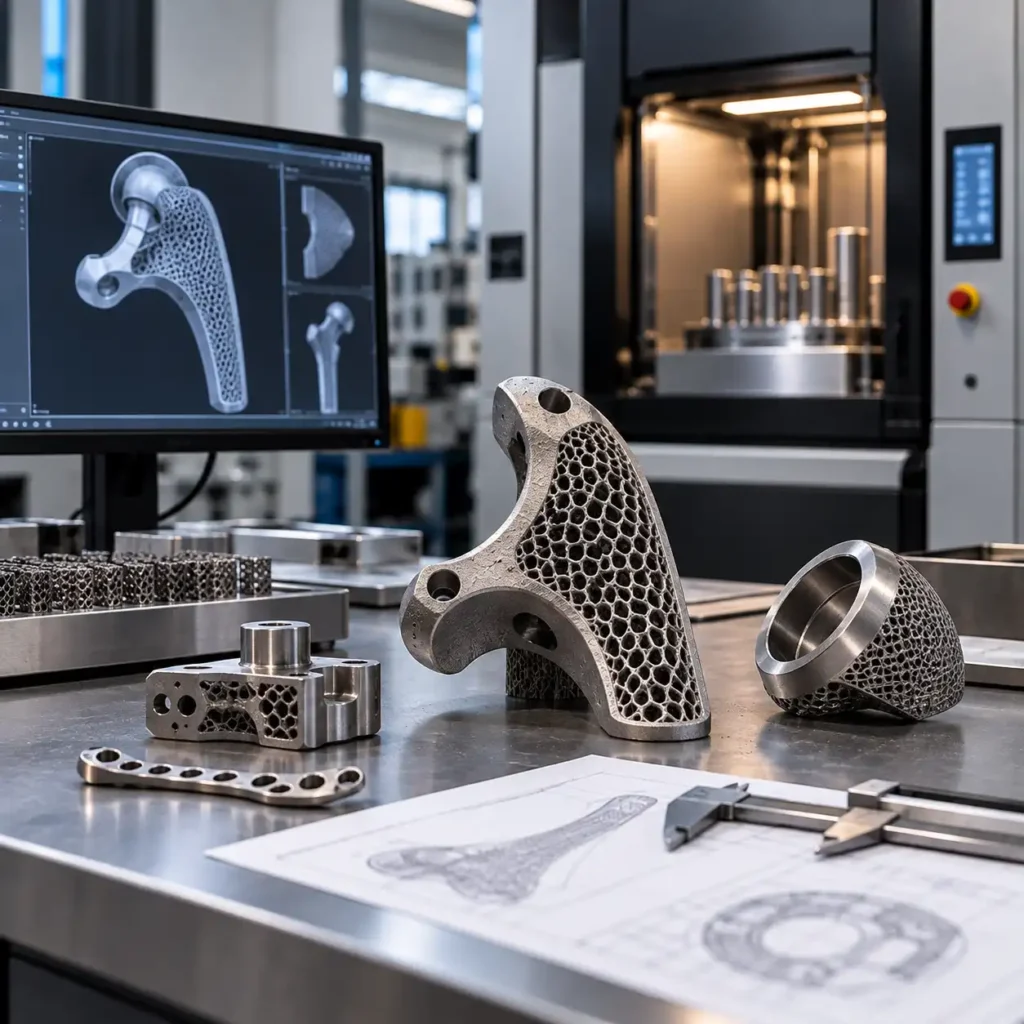
Complex geometry can strengthen the case further. Additive manufacturing builds material layer by layer and therefore does not depend on the same tooling access that constrains many conventional processes. Certain internal channels, consolidated assemblies and complex forms can consequently become more practical to manufacture.
There is also an opportunity to improve rather than simply reproduce a legacy component. Once a part has been reconstructed as an editable CAD model, engineers can assess whether its geometry should remain unchanged or whether a redesign could address recurring wear, excessive weight, unnecessary assembly complexity or other known issues.
The decision remains an engineering and economic one. Digital inventory expands the available manufacturing options; it does not make additive manufacturing the automatic answer.
Digital Spare Parts in Australian Manufacturing
For advanced manufacturing applications, digital spare parts can be particularly useful where production equipment includes specialised tooling, fixtures, low-volume components or older machinery.
Imagine a production machine containing a component that has not failed for ten years. Keeping several physical replacements on a shelf for the entire life of the machine may be difficult to justify. Waiting until failure occurs before discovering that the supplier no longer manufactures the part creates the opposite risk.
Digitising suitable components before they become unavailable provides another option. Engineering data can be prepared while a usable physical example still exists, reducing the amount of reconstruction work required during an urgent breakdown.
This approach can also support organisations operating multiple facilities. Instead of duplicating selected low-demand inventory at several locations, controlled digital information can potentially form part of a broader spare-parts strategy, with manufacturing decisions made according to where and when the component is required.
However, not every part belongs in a digital inventory. Frequently replaced consumables, readily available standard components and parts that are inexpensive to keep in stock may gain little from digitisation.
The strongest candidates are often components where the consequences of poor availability are high and conventional inventory or procurement is inefficient.
Why Mining Operations Can Also Benefit From Digital Inventory
The same principle becomes especially relevant when equipment operates far from established supply chains.
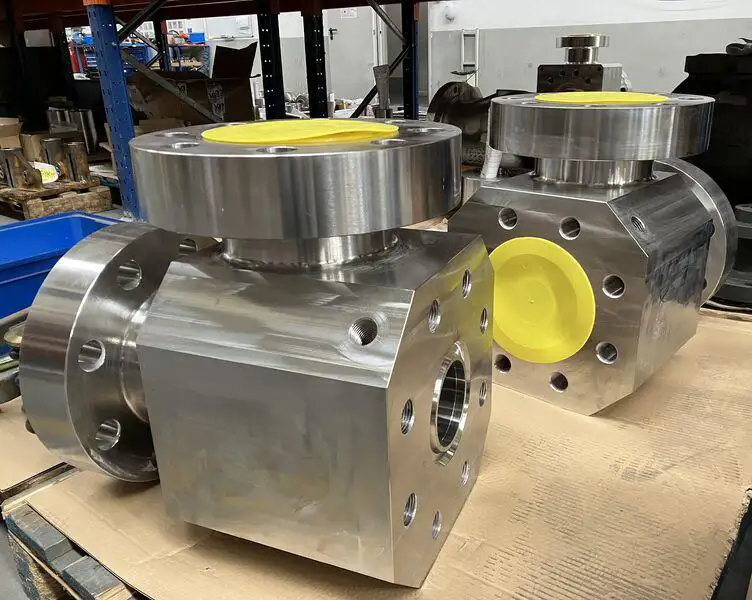
Australian mining operations rely on crushers, pumps, processing equipment, conveyors and other heavy machinery that may remain in service for long periods. A relatively small component can become operationally significant if its failure prevents a larger asset from returning to service.
For mining equipment and components, the challenge is not always the technical complexity of manufacturing a replacement. Sometimes the larger problem is obtaining the correct component quickly enough.
Digital spare parts can help address selected cases by making engineering data available before an urgent requirement occurs. If a suitable part has already been scanned, reconstructed and validated, some of the engineering work required for future production has already been completed.
This can be especially valuable for obsolete or difficult-to-source components, although suitability must still be assessed individually. Components exposed to significant structural loads, pressure, heat, corrosion or safety-critical operating conditions require appropriate material selection, manufacturing controls, inspection and engineering validation.
The objective is not to bypass those requirements. It is to remove unnecessary supply-chain delays where a technically sound local manufacturing route is available.
Which Components Are Good Candidates for Digital Spare Parts?
The best candidates are not necessarily the most expensive parts.
A component can be relatively inexpensive but operationally critical if the equipment cannot run without it. Conversely, an expensive component that is readily available from a reliable local supplier may have little reason to be reverse engineered.
Good candidates often emerge where several conditions overlap: the part is difficult to source, demand is low or unpredictable, the equipment has a long remaining service life, physical inventory is inefficient, and the cost of extended downtime is significant.
Legacy components are an obvious example. If original engineering documentation has disappeared but a usable physical part remains available, digitising it before failure can preserve information that may otherwise become difficult to recover later.
Manufacturing feasibility must still be evaluated. Material properties, dimensional tolerances, surface requirements, post-processing, inspection and certification can determine whether a digital spare part is commercially and technically viable.
For this reason, deciding what to digitise should ideally involve engineering, maintenance and procurement teams rather than treating digital inventory as an isolated IT project.
From Warehouse Shelves to Engineering Data
Digital spare parts are best understood as an extension of modern asset management rather than a replacement for conventional inventory.
Physical stock will continue to make sense for frequently used components, consumables and parts where immediate replacement is essential. Traditional manufacturing will also remain the most effective production method for many components.
The opportunity lies in the parts between those categories: components that are rarely required but difficult to obtain when they are needed.
For these parts, the model can gradually shift from:
Store the physical component in case it is needed
to:
Preserve the engineering data and maintain a validated route to manufacture it when required.
As 3D scanning, reverse engineering and additive manufacturing become more integrated with conventional manufacturing systems, this approach can give Australian industrial organisations greater flexibility in managing ageing equipment and increasingly complex supply chains.
E-Metal3D supports this workflow through industrial 3D scanning, engineering and metal additive manufacturing capabilities. For organisations assessing obsolete, low-volume or difficult-to-source components, the first step is determining whether a part is technically and commercially suitable for digitisation and on-demand manufacturing.
What are digital spare parts?
Digital spare parts are controlled digital engineering assets that contain the information required to support future production of a physical component. Depending on the application, this can include CAD geometry, material specifications, manufacturing requirements, inspection information and revision data.
Can an existing spare part be converted into a digital model?
Yes. When original CAD files are unavailable, an existing component can be measured or 3D scanned and used as the basis for reverse engineering. Engineering work may be required to account for wear, damage or modifications before a production-ready model is created.
Are all digital spare parts manufactured using metal 3D printing?
No. A digital model can support different manufacturing methods. Metal 3D printing may be appropriate for complex, low-volume or difficult-to-source components, while CNC machining or other conventional processes may be better for others.
Can digital spare parts reduce inventory costs?
They can reduce the need to physically stock certain low-demand components, but the economic benefit depends on the application. Digitisation, engineering validation and manufacturing all have costs, so suitable components should be selected based on supply risk, demand, downtime impact and manufacturing feasibility.
Are digital spare parts suitable for mining equipment?
Potentially. They can be valuable for obsolete and difficult-to-source mining components, particularly where conventional procurement involves long lead times. Engineering requirements, material properties, operating conditions and any applicable safety or certification requirements still need to be evaluated.