Essential Tips to Maximize Efficiency in Metal 3D Printing
Introduction
Metal 3D printing has revolutionized manufacturing by enabling the production of complex, high-performance components. However, achieving optimal results requires more than just a 3D printer and metal powders. To maximize efficiency, reduce waste, and ensure consistent quality, manufacturers must adopt best practices in design, process management, and post-processing. This article provides essential tips to enhance efficiency in metal additive manufacturing (AM) projects.
1. Optimize Your Designs for Additive Manufacturing
Efficient metal 3D printing begins with design. Engineers should leverage design for additive manufacturing (DfAM) principles, including:
-
Reducing support structures
-
Simplifying geometries without compromising performance
-
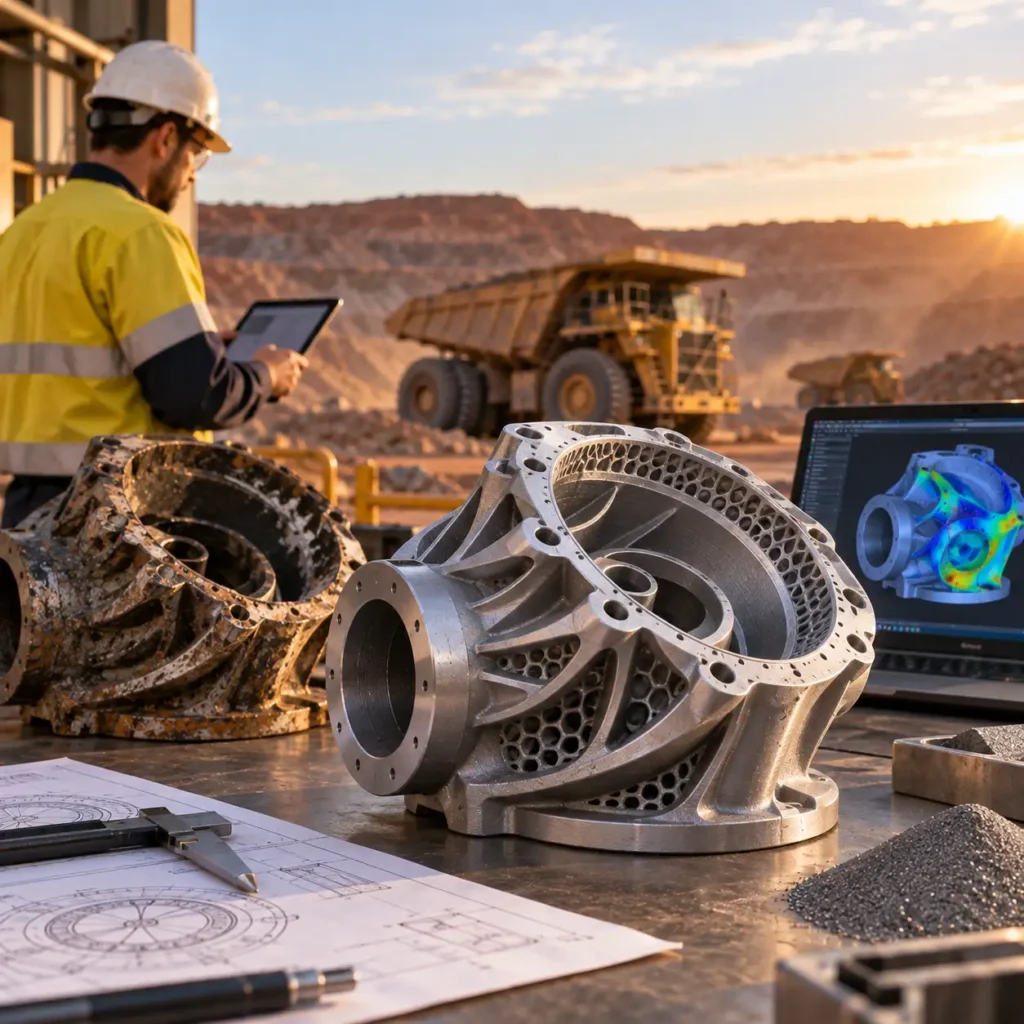
Using lattice structures and topology optimization
By optimizing designs before printing, you can reduce material usage, printing time, and post-processing work, improving overall efficiency.
2. Choose the Right Metal Powder
Selecting the appropriate metal powder is critical for consistent print quality. Factors to consider include:
-
Particle size and distribution for smooth layer deposition
-
Material compatibility with the printing system (PBF or DED)
-
Certification and quality to meet industry standards
Using high-quality powders reduces print failures, ensures mechanical performance, and minimizes rework, saving time and cost.
3. Maintain Optimal Printer Settings
Proper printer calibration and parameter selection are essential. Key aspects include:
-
Laser power and scanning speed
-
Layer thickness
-
Powder bed temperature
Regularly monitoring and adjusting these settings can prevent defects such as porosity, warping, or incomplete fusion, ensuring each build runs efficiently and reliably.
4. Implement Predictive Maintenance
Regular maintenance of metal 3D printing systems prevents unexpected downtime. This includes:
-
Cleaning powder feed systems
-
Inspecting laser optics and scanning mirrors
-
Verifying mechanical alignment
By maintaining your equipment proactively, you avoid production delays and reduce the risk of costly print failures.
5. Efficient Post-Processing Workflow
Post-processing can be time-consuming if not carefully planned. Strategies to maximize efficiency include:
-
Grouping similar parts for batch processing
-
Using automated support removal and heat treatment solutions
-
Ensuring proper quality control checks
Streamlined post-processing ensures parts are ready for use faster and with consistent quality.
6. Leverage Software and Simulation Tools
Advanced engineering software can predict print outcomes, optimize support placement, and simulate mechanical performance. By using software tools, engineers can:
-
Identify potential problem areas before printing
-
Reduce trial-and-error
-
Shorten development cycles
This approach saves time, reduces waste, and improves overall productivity.
7. Train Your Team
A well-trained team is key to maximizing efficiency. Staff should understand:
-
Material handling and safety
-
Printer operation and maintenance
-
Software tools for design and simulation
Continuous training ensures that your team can fully utilize metal 3D printing capabilities and avoid costly mistakes.
Conclusion
Maximizing efficiency in metal 3D printing requires careful attention to design, materials, printer settings, maintenance, post-processing, and training. By implementing these best practices, manufacturers can reduce costs, save time, and achieve high-quality results consistently.
At E-Metal3D, we provide expert guidance, high-quality metal powders, and advanced Powder Bed Fusion systems to help businesses optimize their metal additive manufacturing processes. Our experience ensures that every project runs efficiently, delivering superior performance and reliability.